
The Indian Super League (ISL) is set to kick off on February 14, 2026, marking a significant milestone for football in the country.
After a period of uncertainty, the league's return is expected to bring a much-needed boost to the sport, revitalizing the national team's prospects and sparking transfer rumors.
As the ISL prepares for its new season, fans are eagerly awaiting updates on team rosters, national team news, and transfer activity.
Key Takeaways
- The ISL is scheduled to start on February 14, 2026.
- The league's return is expected to boost the national team's prospects.
- Transfer rumors are anticipated as teams prepare for the new season.
- ISL updates will be crucial for fans and stakeholders alike.
- National team news will be a key focus as the ISL season progresses.
The Current State of Indian Football in 2026
As we approach 2026, Indian football is witnessing a resurgence, driven by key developments and milestones achieved since 2023. The sport has seen significant transformations, both on and off the field, contributing to its current state.
Key Developments Since 2023
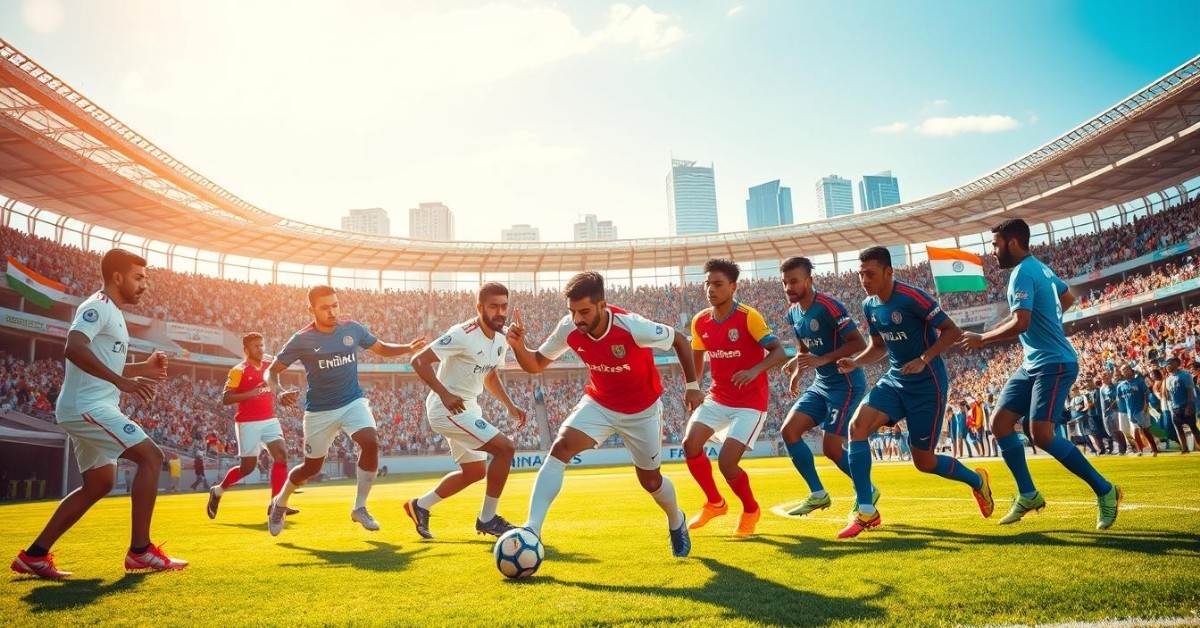
Since 2023, Indian football has experienced several key developments that have shaped its current landscape. Some of the notable advancements include:
- The resolution of the ISL crisis, which has brought stability to the league.
- Increased investment in football infrastructure, including stadium upgrades and new training facilities.
- The emergence of new talent, with several young players making a mark in the ISL and international competitions.
Major Achievements and Milestones
Indian football has achieved several major milestones since 2023. Some of the key highlights include:
- Improved performance in international competitions, with the national team achieving higher rankings.
- The success of ISL teams in AFC competitions, showcasing the growing competitiveness of Indian football.
- The establishment of new grassroots programs, aimed at developing football talent at the grassroots level.
These developments and achievements have collectively contributed to the current state of Indian football in 2026, marking a significant step forward for the sport in the country.
Indian Super League (ISL) 2025-26 Season Overview
The ISL 2025-26 season is shaping up to be an exciting year for Indian football enthusiasts. With 14 teams participating, the league is expected to adopt a home and away format, promising a highly competitive and thrilling tournament.
Current Standings and Title Contenders
As the season progresses, the current standings are closely contested among the top teams. Mumbai City FC and Bengaluru FC are among the early title contenders, showcasing impressive performances. The table below highlights the current standings:
| Position | Team | Points |
|---|---|---|
| 1 | Mumbai City FC | 15 |
| 2 | Bengaluru FC | 14 |
| 3 | Odisha FC | 12 |
Breakthrough Teams of the Season
Some teams are making significant breakthroughs this season. NorthEast United FC has shown remarkable improvement, thanks to their tactical innovations and impact players.
Tactical Innovations
The ISL 2025-26 season has seen several teams adopting new tactical formations. Coaches are experimenting with different strategies to gain a competitive edge.
Impact Players
Players like Sunil Chhetri and Greg Stewart are making a significant impact. Their performances are crucial to their teams' success.
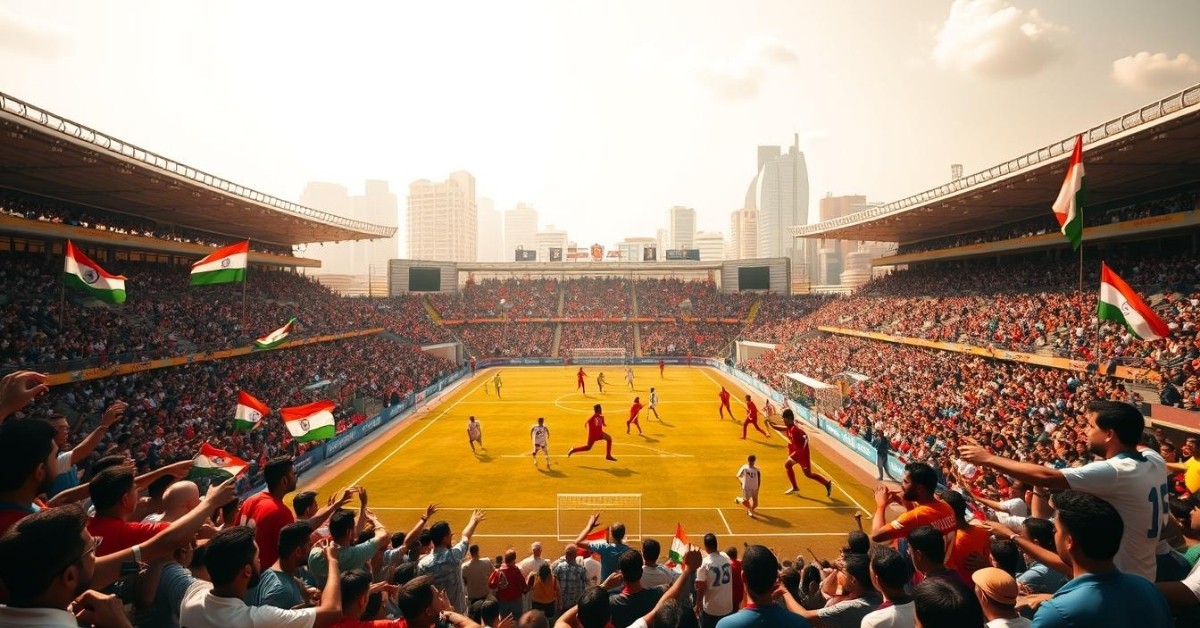
The ISL 2025-26 season is proving to be an exciting competition, with several teams and players making their mark. As the season unfolds, fans can expect more thrilling matches and dramatic turns in the standings.
ISL's Evolution: New Format and Expansion Plans
The ISL, India's premier football league, is set to undergo substantial changes in the coming years. As the league continues to grow in popularity and competitiveness, the All India Football Federation (AIFF) is planning to introduce significant reforms to enhance its stature and appeal.
Additional Teams and Regional Representation
The AIFF plans to expand the ISL by introducing new teams, thereby increasing regional representation across the country. This move is expected to not only boost the league's popularity but also provide more opportunities for local talent to emerge.
With new teams, the ISL will have a more diverse and robust competition format. The expansion plans include teams from tier II leagues, promoting a healthy competitive environment.
Changes in League Structure and Competition Format
The ISL is on the verge of adopting a more dynamic competition format. The changes include:
- Introduction of a promotion and relegation system to encourage competitiveness.
- Enhanced financial regulations to ensure sustainability among clubs.
Promotion and Relegation System
The introduction of a promotion and relegation system is a significant step towards making the ISL more competitive. This system will allow lower-tier teams to compete in the top league based on their performance, fostering a merit-based competition.
Financial Regulations
To ensure the financial sustainability of clubs, the AIFF is implementing stricter financial regulations. These regulations will help clubs manage their finances better and reduce the risk of financial instability.
The changes are expected to make the ISL more competitive and appealing to fans and investors alike. With these reforms, Indian football is poised for a bright future.
| Key Changes | Impact |
|---|---|
| Promotion and Relegation System | Increased competitiveness |
| Financial Regulations | Improved financial stability |
| Expansion Plans | More regional representation |
Star Performers in the 2025-26 ISL Season
The ISL 2025-26 season has been a showcase for exceptional talent, with players delivering outstanding performances across the league. The competition has been fierce, with teams relying heavily on their star players to secure victories.
Top Goal Scorers and Playmakers
The top goal scorers have been instrumental in their teams' successes, with some players standing out for their exceptional skill and goal-scoring ability. Top scorers have not only scored crucial goals but have also provided assists that have changed the course of matches.
| Player Name | Team | Goals | Assists |
|---|---|---|---|
| Sunil Chhetri | Bengaluru FC | 12 | 5 |
| Roy Krishna | ATK Mohun Bagan | 10 | 7 |
| Cleiton Silva | East Bengal | 9 | 4 |
Emerging Young Talents
The ISL has also seen the emergence of young talents who have made significant impacts on their respective teams. Young players have brought a fresh dynamic to the league, showcasing their skills and potential.
- Anirudh Thapa (Kerala Blasters) - Impressive midfield performances
- Sahal Abdul Samad (Kerala Blasters) - Creative playmaking and goal-scoring ability
- Rahul KP (Kerala Blasters) - Exceptional goalkeeping skills
These young talents are expected to be the future stars of Indian football, potentially making a significant impact on the national team as well.
Indian National Team's Journey in 2026
As we step into 2026, the Indian national team's journey is marked by significant challenges and opportunities in international football. The team's performance in recent international fixtures has been a mixed bag, with some promising wins alongside tough losses.
Recent International Fixtures and Results
The Indian national team has faced a challenging schedule in 2026, with matches against top-ranked teams in Asia. Notable performances were seen in their matches against Thailand and Vietnam, where they showcased their growing capabilities.
Some of the key results include a draw against Australia and a win over Malaysia, highlighting the team's potential. However, they also faced tough losses, including a match against Japan, underscoring the competitive nature of Asian football.
Current FIFA and AFC Rankings
As of mid-2026, the Indian national team is ranked 104th in the FIFA rankings, showing a slight improvement from their position at the start of the year. In the AFC rankings, they are positioned 18th, reflecting their standing within the Asian football community.
Ranking Methodology and Points System
The FIFA and AFC rankings are determined based on a points system, where teams earn points from their match results. Wins against higher-ranked teams yield more points, while losses to lower-ranked teams result in a significant deduction.
Historical Ranking Comparison
Comparing the current rankings to historical data, the Indian national team has shown a gradual improvement over the past few years. In 2023, they were ranked 112th in FIFA and 22nd in AFC rankings, indicating a positive trend.
This improvement can be attributed to the team's consistent performance in international fixtures and the ongoing efforts to strengthen the squad.
Team India Soccer: The Current Squad Analysis
Team India Soccer's current squad is a fascinating mix of veteran players and emerging talents, setting the stage for an exciting future. The team's composition reflects a strategic blend of experience and youthful energy, crucial for achieving success in international competitions.
Key Players and Team Leaders
The Indian national team's success is largely attributed to its key players and team leaders. These individuals bring a wealth of experience and skill to the pitch.
Veteran Players
Veteran players have been instrumental in guiding the team through challenging matches. Players like Sunil Chhetri have been pivotal, offering leadership and goal-scoring prowess. Their experience is invaluable in high-pressure situations.
Prime Performers
Alongside veterans, prime performers are making significant contributions. Young talents such as Sahal Abdul Samad and Jeakson Singh have shown remarkable skill and potential, enhancing the team's overall performance.
Tactical Approach and Playing Style
The tactical approach of Team India Soccer is centered around a balanced mix of defensive solidity and attacking flair. The team's playing style is characterized by quick transitions and strategic positioning, aiming to exploit opponents' weaknesses. The coaching staff continually adapts tactics to suit the strengths of the players and the demands of each match.
The current squad's blend of veteran acumen and youthful vigor positions Team India Soccer for a promising future, with a tactical approach that is both flexible and robust.
National Team Management and Coaching Staff
The Indian national football team has undergone significant changes in its management and coaching staff in recent years. These changes have been aimed at improving the team's performance on the international stage.
Head Coach's Vision and Strategy
The current head coach, Manolo Marquez, has brought a new vision and strategy to the team. His experience and tactical acumen have been instrumental in shaping the team's playing style. Marquez's focus on developing young talent and integrating them into the main squad has been a key aspect of his strategy.
The head coach's vision is centered around creating a competitive team that can challenge the best in Asia. This involves a mix of experienced players and young talent, all working together under a cohesive game plan.
Support Staff and Technical Team
The support staff and technical team play a crucial role in the national team's success. The team's coaching staff includes experienced professionals who assist the head coach in various capacities.
The technical team is responsible for analyzing opponents, developing game strategies, and improving player skills. Their work behind the scenes is essential to the team's competitive edge.
Road to World Cup 2026: India's Qualification Campaign
The road to World Cup 2026 is proving to be a challenging yet exciting journey for India's national team. As the qualification campaign gains momentum, the team faces a series of critical matches that will determine their fate in the tournament.
Qualification Format and India's Group
The qualification format for the World Cup 2026 involves a complex series of matches across various groups. India has been drawn into a challenging group with teams that have a strong football legacy. The qualification process requires India to compete against these teams in both home and away matches.
Critical Matches and Turning Points
The journey to the World Cup 2026 is not just about participation; it's about making a statement. For India, certain matches will be crucial in determining their progress. These critical matches will test the team's resolve, strategy, and skill.
Home Advantage Utilization
One of the key factors in India's qualification campaign will be their ability to utilize their home advantage effectively. Playing in front of a supportive crowd can boost the team's morale and performance. India needs to capitalize on this by winning as many home games as possible.
Away Game Challenges
While home advantage is crucial, the real test lies in India's performance in away games. The team will face tough competition in foreign conditions, where the environment and crowd support may not be in their favor. Overcoming these away game challenges will be vital for India's success in the qualification campaign.
As India navigates the road to World Cup 2026, the team's determination and resilience will be put to the test. With a mix of experienced players and emerging talents, India is poised to make a significant impact in the qualification campaign.
Indian Football 2026: Infrastructure Development
The future of Indian football is being shaped by significant investments in infrastructure. As the sport continues to gain popularity, the need for modern, state-of-the-art facilities has become increasingly evident.
Stadium Upgrades and New Facilities
One of the key areas of focus has been the upgrading of existing stadiums and the construction of new ones. Several stadiums across the country have undergone significant renovations, improving their capacity and amenities. For instance, the Salt Lake Stadium in Kolkata has seen major upgrades, enhancing the fan experience and enabling it to host larger international events.
- Improved seating and better fan facilities
- Enhanced security and safety measures
- State-of-the-art training facilities for players
New facilities are also being built to cater to the growing demand. The establishment of new stadiums in emerging football hubs is expected to boost the sport's popularity in these regions.
Training Centers and Academies
In addition to stadium upgrades, there has been a significant emphasis on developing training centers and academies. These facilities are crucial for nurturing young talent and providing professional training environments for the country's aspiring footballers.
- AIFF's plans to establish more training centers across the country
- Private academies setting new standards in player development
The development of these infrastructure elements is a critical step forward for Indian football, ensuring that the sport has the necessary foundations to grow and succeed in the years to come.
Transfer Market: Major Moves in Indian Football
Indian football has seen a surge in transfer activities, with clubs making strategic moves to strengthen their squads. The transfer market has been particularly active during the 2025-26 season, with several high-profile deals being finalized.
Domestic Transfers Reshaping the League
The domestic transfer market has witnessed significant movements, with top players switching clubs and new talent emerging. This has not only reshaped the competitive landscape but also enhanced the overall quality of the game.
Record-Breaking Deals
Several record-breaking deals have been made, with top clubs investing heavily in star players. For instance, Sunil Chhetri was signed by Bengaluru FC in a deal that broke the Indian transfer record. Such deals have not only garnered attention but also elevated the league's profile.
Strategic Club Movements
Clubs have made strategic movements, targeting specific positions and strengthening their squads. Mohun Bagan, for example, bolstered their defense with the signing of Pritam Kotal, enhancing their title aspirations.
International Signings Making an Impact
The influx of international players has brought a new level of expertise and competition to the league. Players from countries like Spain and Serbia have joined Indian clubs, bringing with them valuable experience and skills.
The impact of these signings has been significant, with many international players making an immediate impact and elevating the performance of their respective teams. The blend of local talent with international expertise is set to make the 2025-26 season even more competitive and exciting.
Rising Stars: Next Generation of National Team Players
The Indian national football team is on the cusp of a new era with emerging talents. These young players are not only bringing fresh energy to the team but are also poised to make a significant impact on the national stage.
U-21 Talents Breaking Through
The U-21 category has seen a surge in talented players who are now breaking into the senior national team. Players like Rahul Kumar and Aryan Singh have been making waves with their impressive performances in domestic leagues. Their skills on the field are a testament to the growing strength of Indian football.
Indian Players in Foreign Leagues
Indian players are increasingly making their presence felt in foreign leagues, gaining valuable experience and exposure. This trend is crucial for the development of Indian football.
European League Representation
One notable example is Suhail Bhat, who recently signed with a second-division club in the Netherlands. His journey is inspiring a new generation of Indian footballers to aim for European leagues.
Asian League Participation
Players like Ankit Mukherjee are thriving in the ASEAN Football League, showcasing their skills against top Asian teams. This exposure is helping them mature as players and gain international experience.
The rise of these young talents is a positive sign for Indian football, indicating a bright future ahead.
Football Development in India: Grassroots Initiatives
At the heart of Indian football's growth are the grassroots initiatives that are nurturing young talent. These programs are crucial for developing a strong foundation for the sport in the country.
Youth Leagues and School Programs
Youth leagues and school programs are vital components of grassroots football development in India. They provide a platform for young players to showcase their skills and learn the game in a structured environment.
Many schools have incorporated football into their curriculum, recognizing its importance in overall development. This integration not only enhances the sporting abilities of students but also instills valuable life skills such as teamwork, discipline, and leadership.
Corporate and Government Support
The success of grassroots initiatives in Indian football is significantly attributed to the support received from corporate entities and government bodies.
Their involvement through sponsorships, infrastructure development, and program funding has been instrumental in promoting football at the grassroots level. Government initiatives, such as the Khelo India program, have played a pivotal role in identifying and nurturing young talent across the country.
Indian Football in the Asian Football Scene
As the Asian football scene continues to evolve, Indian football is carving out its niche through consistent performances in AFC tournaments. The country's football infrastructure and talent pool have been growing steadily, contributing to its improved standing in regional competitions.
Performance in AFC Competitions
Indian teams have been actively participating in AFC competitions, gaining valuable experience and exposure. The country's clubs and national teams have been competing against some of the best teams in Asia, leading to a significant improvement in their overall performance.
Club Level Competitions
At the club level, Indian teams have been competing in the AFC Champions League and AFC Cup. While the journey has been challenging, these experiences have helped Indian clubs develop their tactical acumen and player skills.
National Team Tournaments
The Indian national team has been participating in AFC tournaments, including the AFC Asian Cup. Their performances have been encouraging, with the team showing glimpses of brilliance against top Asian opponents.
Comparison with Other Asian Football Powers
When compared to other Asian football powers, India still has a long way to go. However, the gap is narrowing, and Indian teams are becoming increasingly competitive. The table below provides a comparison of India's performance with some of the top Asian football nations.
| Country | AFC Asian Cup Appearances | FIFA World Cup Qualifications |
|---|---|---|
| India | 4 | 0 |
| Japan | 9 | 6 |
| South Korea | 14 | 10 |
While there's still a significant difference in the number of AFC Asian Cup appearances and FIFA World Cup qualifications, Indian football is on the right trajectory. With continued investment in infrastructure and talent development, the future looks promising.
The Economic Impact on Indian Sports Industry
The Indian sports industry is witnessing a significant surge in economic activity, driven primarily by football. This growth is reflected in various sectors, including sponsorship deals, broadcasting rights, merchandise sales, and fan engagement.
Sponsorship and Broadcasting Deals
The Indian Super League (ISL) has attracted significant sponsorship deals, with major brands investing heavily in the league. Broadcasting rights have also seen a substantial increase in value, with television and digital platforms competing for rights to broadcast ISL matches.
Merchandise Sales and Fan Engagement
Merchandise sales have seen a boost, with fans purchasing ISL team jerseys, scarves, and other memorabilia. Fan engagement has also increased, with fans actively participating in social media discussions and attending matches.
Digital Platforms and Social Media
Digital platforms and social media have played a crucial role in enhancing fan engagement. ISL teams and the league have a strong presence on platforms like Instagram, Twitter, and Facebook, where they share updates, behind-the-scenes content, and engage with fans.
Stadiums Attendance Trends
Stadium attendance has shown an upward trend, with fans attending matches in larger numbers. This increase in attendance has contributed to the overall economic impact of the ISL on the Indian sports industry.
| Economic Indicator | 2025-26 | 2024-25 |
|---|---|---|
| Sponsorship Deals (₹ Crores) | 250 | 200 |
| Broadcasting Rights (₹ Crores) | 300 | 250 |
| Merchandise Sales (₹ Crores) | 100 | 80 |
| Average Stadium Attendance | 25,000 | 20,000 |
Challenges and Opportunities for FIFA World Cup India Bid
The prospect of India hosting the FIFA World Cup is an ambitious goal that comes with its own set of challenges and opportunities. As the world's second-most populous country with a growing passion for football, India has the potential to make a significant impact on the global football stage.
Infrastructure Requirements
One of the primary challenges for India's FIFA World Cup bid is meeting the infrastructure requirements. This includes:
- Developing state-of-the-art stadiums across various cities
- Improving transportation infrastructure to facilitate easy access to venues
- Enhancing training facilities to meet international standards
India has made significant progress in upgrading its sports infrastructure, including the development of new stadiums and renovation of existing ones. For instance, the Bharat Stadium in Ahmedabad, with its capacity to host large international events, is a prime example of India's capability to host major tournaments.
Political and Economic Factors
Political and economic factors play a crucial role in India's bid for the FIFA World Cup. The government must demonstrate its commitment to supporting the bid through:
- Providing financial backing for infrastructure development
- Ensuring legal and regulatory frameworks support the hosting of international events
- Fostering international relations to secure support from other nations and FIFA
Economic benefits of hosting the FIFA World Cup could be substantial, including increased tourism and job creation. However, the initial investment required is significant, and careful planning is needed to ensure that the costs do not outweigh the benefits.
In conclusion, while there are challenges to be addressed, India's bid for the FIFA World Cup also presents numerous opportunities for growth and development in the football sector.
Conclusion: The Future of Indian Football Beyond 2026
The future of Indian football looks promising with the restart of the Indian Super League (ISL) and other initiatives. As India continues on its road to World Cup 2026, the national team's performance in the qualifiers and rankings will be crucial.
With a strong squad and effective management, the team is well-positioned to make a significant impact. The ISL has also seen significant growth, with new teams and players emerging as strong contenders.
As Indian football continues to evolve, it is likely to attract more fans and investors, driving growth and success in the sport. The country's journey in the World Cup qualifiers will be closely watched, and a strong performance could boost the sport's popularity.
Overall, the future of Indian football is bright, with opportunities for growth and success both domestically and internationally.