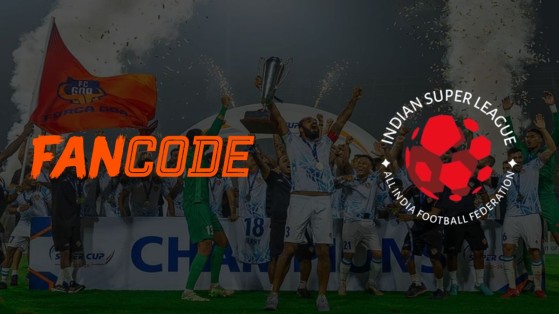
FanCode’s Indian Super League Streaming Rights Highlight Changing Economics of Indian Football Broadcasting
FanCode's Indian Super League streaming rights are highlighting a broader shift in the economics of Indian football broadcasting as digital platforms take a more prominent role in distributing live sports while traditional television remains an important route to mass audiences.
The arrangement reflects how sports properties are increasingly adopting flexible media-rights strategies instead of relying exclusively on large television-led packages. Digital streaming allows rights holders and leagues to reach mobile-first audiences, experiment with different monetisation models and obtain deeper insights into viewer behaviour.
At the same time, the sublicensing of linear television coverage to Sony Sports Network demonstrates that digital and traditional broadcasting can increasingly operate as complementary channels rather than direct alternatives.
FanCode Strengthens Its Position in Indian Sports Streaming

FanCode has developed a specialised position within India's digital sports market by offering live coverage across multiple competitions and sporting categories.
The Indian Super League adds an important domestic football property to that strategy.
Digital sports platforms can potentially build engagement through:
-
Live streaming
-
Mobile-first viewing
-
Connected television
-
Match highlights
-
Statistics
-
Interactive features
-
Flexible subscription products
-
Personalised sports discovery
This model differs significantly from the traditional television approach built around fixed channels and scheduled programming.
ISL Rights Reflect Changing Sports Media Market
The economics of sports broadcasting have evolved as consumer viewing habits fragment across platforms.
Previously, major sporting properties often depended heavily on television broadcasters for distribution and media-rights revenue.
Today's ecosystem can involve several participants:
-
Streaming platforms
-
Television networks
-
Connected-TV services
-
Telecom companies
-
Digital aggregators
-
Social platforms
-
Sports leagues
-
Technology providers
This creates more potential distribution routes but also makes media-rights strategies increasingly complex.
Digital Rights Create New Monetisation Options
Streaming platforms have greater flexibility in how they package sports content for consumers.
Potential revenue models include:
-
Subscription packages
-
Tournament passes
-
Match-specific access
-
Advertising-supported streaming
-
Sponsorship integration
-
Bundled sports subscriptions
-
Premium memberships
-
Brand partnerships
Different approaches can be tested depending on audience size, engagement and willingness to pay.
For sports properties outside cricket, flexible pricing can be particularly important because audience economics may differ substantially from India's largest sporting competitions.
Sony Sublicensing Adds Linear Television Reach
FanCode's broader rights strategy is complemented by linear television distribution through Sony Sports Network under a sublicensing arrangement.
This structure provides the Indian Super League with exposure across both digital and traditional television channels.
The combination can potentially deliver:
-
Broader national reach
-
Mobile-first audiences
-
Traditional television viewers
-
Connected-TV consumption
-
Larger advertising inventory
-
Greater sponsor visibility
-
Flexible distribution
-
Improved fan accessibility
Such hybrid models could become increasingly relevant for Indian sports properties seeking both reach and financial sustainability.
Football Broadcasting Economics Differ From Cricket
India's sports broadcasting market is heavily influenced by cricket, where premium tournaments can command exceptionally large rights values because of their enormous audiences and advertising demand.
Football operates within a different commercial environment.
Indian football properties must balance:
-
Rights revenue
-
Audience accessibility
-
Production costs
-
Sponsor exposure
-
Subscriber demand
-
Club economics
-
Advertising potential
-
Long-term fan development
Maximising rights fees alone may not always be the optimal strategy if wider distribution can help develop a larger audience over time.
Audience Reach Becomes a Strategic Priority
For a developing sports property, visibility can have significant long-term commercial value.
Greater audience reach can potentially improve:
-
Sponsorship value
-
Club visibility
-
Player recognition
-
Merchandise sales
-
Fan engagement
-
Stadium interest
-
Advertising demand
-
Future media-rights negotiations
Streaming provides convenient access for younger and mobile-first audiences, while television can help maintain broader household visibility.
Connected TV Blurs Traditional Boundaries
Connected television is making the distinction between streaming and traditional broadcasting increasingly complicated.
Consumers can now watch digital sports platforms on large television screens through smart TVs and streaming devices.
This means sports companies increasingly need to think about distribution across screens rather than simply choosing between television and mobile.
Important viewing channels now include:
-
Linear TV
-
Smartphones
-
Smart TVs
-
Tablets
-
Laptops
-
Streaming devices
A rights strategy capable of reaching audiences across these environments can provide greater flexibility.
Digital Platforms Gain Better Audience Data
One of the major advantages of streaming is access to detailed audience information.
Digital platforms can analyse factors such as:
-
Viewing duration
-
Device usage
-
Geographic distribution
-
Subscription behaviour
-
Match preferences
-
Viewer retention
-
Engagement patterns
-
Content discovery
These insights can help platforms improve programming, advertising and subscription strategies.
Better audience measurement could also help leagues provide sponsors with more detailed information about fan engagement.
Advertisers Adapt to Multi-Platform Sports
Advertisers increasingly need campaigns that work across both television and digital environments.
Digital sports distribution can provide advantages including:
-
Targeted advertising
-
Measurable impressions
-
Interactive campaigns
-
Audience segmentation
-
Performance analytics
-
Flexible creative formats
Television, meanwhile, continues to provide scale and visibility.
Combining both channels can create a broader proposition for brands investing in sports marketing.
Rights Costs Remain Critical
For streaming platforms, acquiring sports rights can increase audience engagement but also create substantial financial obligations.
The economics depend on whether revenue generated from the property can justify:
-
Rights acquisition costs
-
Production expenses
-
Technology infrastructure
-
Marketing expenditure
-
Distribution costs
-
Customer acquisition
-
Streaming bandwidth
-
Operational expenses
Disciplined rights pricing therefore remains essential, particularly for specialist sports platforms.
Indian Football Needs Sustainable Media Economics
Broadcasting represents only one component of the wider Indian football business model, but it can influence several revenue streams.
A sustainable media ecosystem can support:
-
League finances
-
Club revenue
-
Sponsorship
-
Commercial partnerships
-
Fan development
-
Player visibility
-
Grassroots interest
-
Long-term investment
The challenge is finding a distribution model that balances immediate revenue with the need to grow the sport's audience.
What the Industry Should Watch
FanCode's ISL rights strategy will put several indicators into focus:
-
Streaming viewership
-
Subscriber engagement
-
Television audiences
-
Advertising demand
-
Sponsorship activity
-
Connected-TV consumption
-
Fan retention
-
Rights sublicensing
-
Future media-rights valuations
-
Club commercial performance
These metrics could help determine whether similar hybrid models become more common across Indian sports.
Outlook
FanCode's Indian Super League streaming rights demonstrate how India's sports media industry is moving toward more flexible and digitally oriented distribution structures.
Streaming platforms can offer specialised sports coverage and direct consumer relationships, while established television networks continue to provide significant reach.
For Indian football, the combination could offer a pathway toward balancing accessibility, commercial sustainability and audience growth.
Conclusion
FanCode's role in streaming the Indian Super League reflects a broader transformation in the economics of Indian sports broadcasting.
Rather than depending entirely on a traditional television rights model, the ISL can reach viewers through digital streaming while using sublicensing arrangements to maintain linear television distribution.
The long-term success of this approach will depend on whether the combination generates stronger audiences, sustainable media economics and greater commercial value for clubs, sponsors and the league.
If successful, the model could provide a useful template for other Indian sports properties navigating an increasingly fragmented media environment.