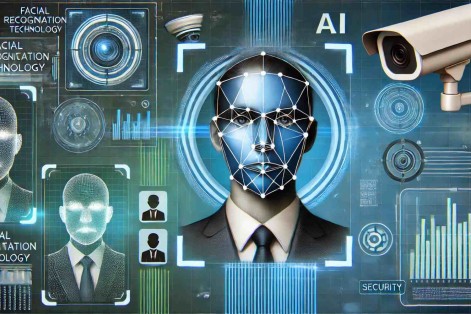
In today’s rapidly advancing technological landscape, facial recognition is becoming one of the most powerful tools in the fight to enhance public safety. From identifying criminals to preventing potential threats, this cutting-edge technology is transforming how we approach security, law enforcement, and overall public safety. While the use of facial recognition technology raises concerns about privacy, its benefits are undeniable in the context of improving the safety of communities worldwide.
Let’s explore how facial recognition is being used to revolutionize public safety, its applications, and the challenges it presents.
1. The Rise of Facial Recognition Technology
Facial recognition technology is based on the concept of identifying individuals by analyzing their unique facial features. Unlike traditional methods of identification, such as fingerprinting or ID cards, facial recognition relies on advanced algorithms to compare facial features from a photograph or video with a database of known faces. It works through sophisticated software that can scan and analyze thousands of faces in real-time.
This technology has already been implemented in various sectors, including law enforcement, airport security, and public surveillance systems. What once seemed like a futuristic idea is now becoming a regular part of our daily lives.
2. Enhancing Security in Public Spaces
One of the most visible applications of facial recognition technology is in public spaces, where it is increasingly being used for surveillance. Governments and security agencies are deploying facial recognition systems in places like airports, train stations, and city streets to monitor crowds and identify potential threats. By scanning faces in real-time, security personnel can quickly pinpoint individuals who might pose a danger, whether they are known criminals, persons of interest, or those on watchlists.
Benefits of Facial Recognition in Public Spaces:
-
Crime Prevention: By detecting suspicious individuals or those on wanted lists, facial recognition helps prevent crimes before they happen.
-
Faster Response Times: With real-time identification, authorities can respond more quickly to emerging threats, whether it’s a terrorist threat, a missing person, or a criminal on the run.
-
Increased Accuracy: Modern facial recognition technology is more accurate than ever, reducing the chances of false identifications compared to older security methods.
3. Supporting Law Enforcement and Criminal Investigation
Facial recognition has become an essential tool for law enforcement agencies worldwide. Police forces are utilizing the technology to identify suspects, solve crimes, and even locate missing persons. By scanning surveillance footage from public spaces or security cameras, authorities can identify individuals involved in criminal activities and gather evidence to support investigations.
For example, facial recognition systems can assist in solving cases involving theft, assault, or even terrorism by matching suspects’ faces with databases of known offenders. In addition, facial recognition is also being used in airport security, where it helps prevent people from entering secure areas using false identification.
4. Facial Recognition in Emergency Situations
In emergencies, speed and accuracy are critical. Facial recognition technology can be pivotal in helping authorities respond swiftly to public safety crises. Whether it’s locating someone in a crowd or identifying an individual’s location, facial recognition can provide real-time data that helps save lives.
During natural disasters or large-scale emergencies, this technology can also be used to help identify people who are in distress or are in need of urgent help. For instance, in case of a terrorist attack or an active shooter incident, facial recognition could allow law enforcement to track suspects quickly and minimize the risk to civilians.
5. Ethical and Privacy Concerns
Despite its many benefits, the use of facial recognition technology raises important ethical and privacy concerns. Critics argue that the widespread deployment of facial recognition systems could lead to violations of personal privacy, with governments and corporations gaining unprecedented access to individuals’ personal data. Additionally, the potential for misidentification or bias in the algorithms has raised concerns about fairness, particularly for minorities and marginalized groups.
Some of the primary concerns include:
-
Inaccurate Identification: Facial recognition technology is not perfect, and false positives could result in innocent individuals being wrongly flagged as suspects or criminals.
-
Surveillance and Privacy: Widespread use of facial recognition could lead to a surveillance state, where individuals are constantly monitored, raising concerns about civil liberties.
-
Data Security: Storing biometric data in databases could make it a target for hackers, leading to the risk of data breaches and misuse of sensitive information.
Governments and tech companies must find ways to balance the benefits of public safety with the protection of individual privacy rights.
6. Future Outlook: A Smart and Secure World
Looking ahead, facial recognition technology is likely to continue evolving, becoming more advanced and widespread in its applications. With the growth of AI and machine learning, facial recognition systems will only get better at distinguishing between faces and reducing the chances of false identifications. In the future, we may see even more seamless integrations of facial recognition into everyday life, from shopping centers to schools to healthcare facilities.
Key Trends in the Future of Facial Recognition for Public Safety:
-
Integration with AI and Machine Learning: More intelligent systems will allow for better analysis and fewer errors in identifying individuals.
-
Broader Adoption in Public Services: Facial recognition could become a standard feature in services like public transportation, banking, and smart cities, enhancing security and convenience.
-
Stricter Regulations: As the technology becomes more prevalent, governments will likely implement stricter regulations to safeguard privacy and prevent misuse.
Conclusion: The Growing Role of Facial Recognition in Public Safety
Facial recognition technology is undeniably transforming the landscape of public safety. Its ability to quickly and accurately identify individuals has made it a powerful tool in preventing crimes, aiding investigations, and responding to emergencies. However, as the technology continues to evolve, it’s essential to balance its benefits with concerns about privacy, ethics, and data security.
The future of facial recognition will depend on how it is regulated and integrated into society, ensuring that it remains a force for good while respecting individuals’ rights. As cities become smarter and more connected, facial recognition could very well be at the forefront of creating safer, more secure environments for everyone.