CRISPR and the Future of Genetic Engineering
What if we could delete diseases from our DNA? Or make crops immune to climate change? Thanks to CRISPR, what once sounded like science fiction is now a scientific reality. This revolutionary gene-editing technology is changing everything — from medicine to agriculture — and it’s only getting started.
What Is CRISPR?
CRISPR (Clustered Regularly Interspaced Short Palindromic Repeats) is a cut-and-paste tool for genes. Think of it like molecular scissors that allow scientists to precisely alter DNA inside living cells.
It was adapted from a natural defense system used by bacteria to fight viruses. In 2012, researchers Jennifer Doudna and Emmanuelle Charpentier transformed it into a gene-editing powerhouse — and won the Nobel Prize for it in 2020.
How Does It Work?
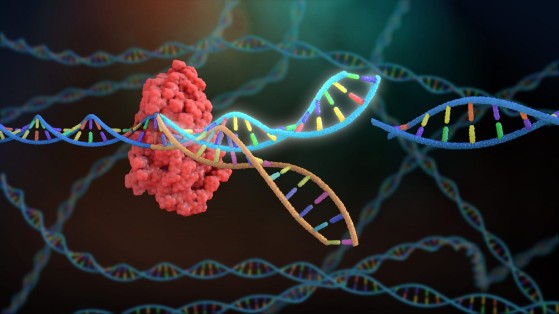
CRISPR uses a guide RNA (gRNA) to find a specific gene sequence in DNA. Once the target is located, a protein called Cas9 acts as scissors, cutting the DNA. Scientists can then add, remove, or modify the gene at that spot.
Why CRISPR Matters
-
Cures for Genetic Diseases:
CRISPR has already been used in trials to treat sickle cell anemia, muscular dystrophy, and blindness. In the future, it could tackle Huntington’s disease, cystic fibrosis, and even cancer at the genetic level. -
Designer Babies?
CRISPR could allow us to edit embryos — altering traits like height, intelligence, or immunity. This raises ethical concerns about eugenics, inequality, and "playing God." -
Revolutionizing Agriculture:
Crops can be made resistant to drought, pests, or diseases, potentially ending food insecurity. Scientists are already testing CRISPR-edited mushrooms, rice, and tomatoes. -
Environmental Impact:
CRISPR could be used to control populations of mosquitoes that spread malaria or even bring back extinct species like the woolly mammoth.
Risks and Controversies
-
Off-Target Effects: CRISPR might accidentally edit the wrong part of DNA, leading to dangerous mutations.
-
Ethical Dilemmas: Should we edit human embryos? Who decides what traits are acceptable?
-
Regulation Challenges: Laws around CRISPR use vary wildly across countries.
The Road Ahead
CRISPR is still in its early stages, but its potential is enormous and irreversible. With advances in precision and safety, we could see CRISPR-based therapies become routine within the next decade.
As this technology evolves, we must strike a balance — between innovation and caution, between what we can do and what we should do.
In Conclusion
CRISPR is not just a tool — it’s a key to the future of life itself. From curing diseases to transforming ecosystems, its impact will be profound. But the choices we make now will determine whether CRISPR becomes a miracle — or a monster.
The future of genetic engineering is here. The real question is: Are we ready for it?