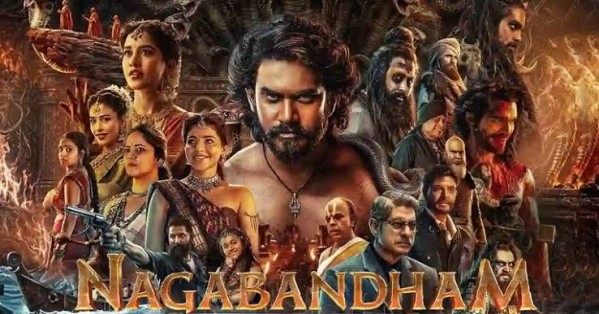
Nagabandham Moves to OTT Less Than a Month After Its Theatrical Release
The Indian film industry continues to witness shorter theatrical windows as Nagabandham makes its transition to an over-the-top (OTT) platform less than a month after its cinema release. The move reflects the evolving distribution strategies adopted by filmmakers and streaming services as digital platforms become an increasingly important revenue channel alongside theatrical exhibition.
The rapid shift from cinemas to streaming highlights changing audience viewing habits and the growing influence of OTT platforms in determining a film's commercial lifecycle.
Shorter Theatrical Windows Become More Common

Traditionally, films remained exclusive to theatres for several weeks before becoming available on television or digital platforms. However, the expansion of streaming services has significantly reduced this gap.
Shorter theatrical windows offer several advantages:
-
Faster monetisation of digital rights
-
Wider audience reach
-
Additional revenue streams
-
Reduced dependence on long theatrical runs
-
Improved visibility for regional films
-
Stronger subscriber engagement for OTT platforms
-
Better lifecycle management for content
-
Increased flexibility in distribution strategies
This trend has become increasingly common across the Indian entertainment industry.
OTT Platforms Strengthen Their Content Libraries
Streaming platforms continue investing heavily in acquiring new film rights to attract and retain subscribers.
Recent priorities include:
-
Regional language cinema
-
Exclusive digital premieres
-
Early post-theatrical releases
-
Original films
-
Family entertainment
-
Action and thriller titles
-
Multi-language releases
-
High-profile studio partnerships
Fresh movie releases remain one of the strongest drivers of subscriber engagement for OTT services.
Changing Consumer Viewing Preferences
Audience behaviour has evolved considerably over the past few years.
Many viewers now prefer:
-
Watching films at home
-
Flexible viewing schedules
-
Affordable subscription models
-
Multi-device accessibility
-
Regional language content
-
High-quality streaming
-
Family viewing experiences
-
On-demand entertainment
These changing preferences continue to influence film distribution strategies across the industry.
Impact on Film Producers
Earlier OTT availability allows producers to unlock digital rights revenue sooner.
Potential benefits include:
-
Faster recovery of production costs
-
Diversified income sources
-
Reduced financial risk
-
Expanded global audience
-
Improved content discoverability
-
Stronger licensing opportunities
-
Better long-term monetisation
-
Enhanced brand visibility
Digital platforms have become an integral part of the overall revenue model for many film projects.
Cinema Exhibitors Face New Challenges
While OTT expansion creates new opportunities, cinema operators continue balancing shorter theatrical windows with maintaining footfall.
Key challenges include:
-
Reduced exclusivity periods
-
Competition from home entertainment
-
Changing audience habits
-
Pressure on occupancy rates
-
Revenue volatility
-
Programming flexibility
-
Premium format investments
-
Event-based cinema experiences
Many exhibitors are focusing on premium screens and enhanced customer experiences to encourage theatrical attendance.
Regional Cinema Gains Wider Reach
OTT platforms have significantly expanded the reach of regional-language films beyond their traditional markets.
Benefits include:
-
National audience access
-
International distribution
-
Multi-language subtitles
-
Cross-regional discovery
-
Higher content visibility
-
Longer viewing lifecycle
-
Broader fan engagement
-
Additional licensing opportunities
This has strengthened the commercial potential of regional cinema.
OTT Competition Continues to Intensify
Streaming platforms continue competing through exclusive content acquisitions and early digital premieres.
Competition focuses on:
-
Exclusive streaming rights
-
Original programming
-
Subscriber acquisition
-
Content diversity
-
Regional expansion
-
User experience
-
Recommendation technology
-
Premium entertainment offerings
Exclusive film releases remain an important differentiator in the increasingly competitive OTT market.
Risks and Considerations
Despite the advantages of early streaming releases, several factors continue influencing release strategies.
These include:
-
Box office performance
-
Digital rights valuations
-
Viewer demand
-
Subscription growth
-
Content piracy
-
Marketing effectiveness
-
Platform competition
-
Production economics
-
Regional audience preferences
-
Revenue-sharing arrangements
Studios continue evaluating the optimal balance between theatrical exclusivity and digital monetisation.
What Industry Stakeholders Should Watch
Key areas to monitor include:
-
OTT viewership performance
-
Subscriber engagement
-
Digital rights valuations
-
Future theatrical window trends
-
Box office collections
-
Regional content demand
-
Platform acquisition strategies
-
Producer revenue models
-
Audience retention
-
Industry-wide release patterns
These indicators will help determine how distribution strategies continue evolving.
Outlook
The arrival of Nagabandham on OTT within weeks of its theatrical release reflects the ongoing transformation of India's entertainment business. As streaming platforms strengthen their role in film distribution, producers are increasingly adopting flexible release models that maximise both theatrical and digital revenue opportunities.
The trend toward shorter theatrical windows is expected to continue, particularly for films seeking faster audience reach and diversified monetisation.
Conclusion
Nagabandham's early transition to OTT underscores the changing economics of the Indian film industry, where digital platforms have become an essential component of distribution and revenue generation. While theatres remain important for major releases, streaming services are playing an increasingly central role in extending a film's commercial lifecycle and expanding its audience.
The success of such release strategies will depend on balancing theatrical performance with digital demand, ensuring sustainable value for producers, exhibitors and streaming platforms alike.