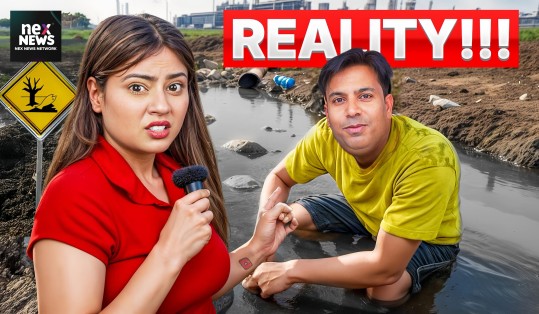
In recent times, few digital personalities have polarized public opinion like Puneet Superstar. Known widely for his bizarre, sometimes obscene and often controversial videos, Puneet has become a recurring figure in the Indian meme and content culture.
But as the internet continues to laugh, rage, and share his content, an important question arises—is Puneet truly the problem, or are we—the viewers—the ones responsible for his rise to fame?
Behind the Lens: What Fuels Puneet's Content?
Puneet Superstar's videos are not born out of cinematic creativity or storytelling brilliance. Rather, they tap into raw, sensationalist, shock-driven performance, tailored to go viral. Recently, in a YouTube collaboration with Nishu Tiwari, Puneet openly acknowledged that he creates such content because the audience watches it.
“As long as people keep watching, I will keep making these videos,” Puneet admitted unapologetically.
This unfiltered confession points to a deeper issue—not just with content creators, but with the audience that rewards vulgarity with attention. It raises a pressing question in the digital age: Do we blame the creator for making such content—or the consumer who keeps clicking?
Viral Obscenity: A Cycle of Demand and Supply
Let’s face it—social media algorithms prioritize what gets clicks, not what is responsible, educational, or socially uplifting. In this attention economy, creators are incentivized to push boundaries for more reach.
High-performing search terms like:
-
“Puneet Superstar obscene video”
-
“Controversial viral Indian creators”
-
“Why vulgar content goes viral”
-
“Social media shock culture”
—continue to top trending charts, reflecting the digital appetite for sensationalism.
So when Puneet dances in paint, screams on the street, or uses foul language, the views skyrocket. But he’s merely serving a demand—a demand we have collectively created.
Is the Audience the Real Influencer?
Here lies the uncomfortable truth: audiences have more power than any influencer ever will. The digital crowd decides who trends, who fades, and what kind of content wins the internet.
We often criticize content creators for being ashleel (obscene) or na-dekhne-yogya (unwatchable), but forget that our views, comments, and shares are what made them viral in the first place. We are feeding a loop, where creators are reacting directly to what we reward them for.
The Role of Responsible Viewership
At Nex News Network, we believe it's time for a shift in digital consciousness. The next time you scroll past a Puneet Superstar-style video:
-
Ask yourself: Why is this showing up on my feed?
-
Reflect: Did I contribute to making this viral by watching or sharing?
-
Act: Can I choose to follow creators who offer more value—be it humor, education, or inspiration?
Editorial Take: More Than Just Entertainment
Social media today is not just a form of entertainment—it's a mirror reflecting the mindset of an entire generation. While creators like Puneet Superstar are easy to point fingers at, the real power lies with us—the viewers.
If we truly desire a better digital space, we need to stop rewarding obscenity and start celebrating quality. Every click is a vote, and it’s time we use our votes more wisely.
Conclusion: Don't Just Watch—Be Aware.
Let this article not just inform, but awaken. Puneet Superstar is not an outlier—he’s a byproduct of our shared viewing habits. The road to cleaner, meaningful content starts with one conscious choice at a time.
Let’s stop feeding the algorithm with virality for the sake of chaos. Let’s start asking for more.