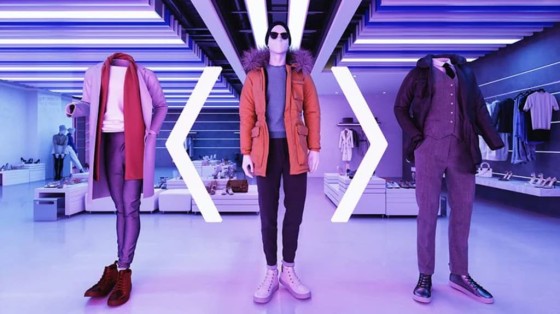
Fashion brands are increasingly turning to the metaverse as a new frontier for creativity, marketing, and consumer engagement. In 2025, digital clothing and virtual fashion experiences are transforming how brands connect with audiences, combining style, technology, and social interaction in immersive online environments. By launching digital clothing, fashion houses are exploring entirely new revenue streams, brand positioning strategies, and ways to engage younger, digitally-native consumers.
Digital clothing is typically created as non-fungible tokens (NFTs) that can be worn by avatars in virtual worlds, social platforms, and gaming environments. Unlike physical garments, these designs are fully digital, allowing for creativity without material constraints. Fashion brands can experiment with bold colors, dynamic textures, or interactive designs that respond to the virtual environment. This experimentation encourages innovation while also promoting brand identity in a digital-first marketplace.
Metaverse fashion shows and digital launches are becoming mainstream marketing tools. Brands host virtual runway events where users can view, try, and purchase digital clothing directly for their avatars. These immersive experiences are highly engaging, enabling global audiences to participate without traveling or attending physical shows. Collaborations with gaming platforms, social apps, and NFT marketplaces extend reach and create viral marketing opportunities.
Consumer engagement is also enhanced through exclusivity and personalization. Limited-edition digital clothing drops, NFT collectibles, and custom avatar outfits give consumers a sense of ownership and status within virtual communities. Fashion brands use scarcity, rewards, and social recognition to drive demand and foster brand loyalty. The integration of blockchain ensures authenticity, provenance, and secure ownership of digital garments.
Sustainability is another advantage of digital clothing. Creating fully virtual garments reduces the environmental footprint associated with production, transportation, and waste in traditional fashion. Brands can explore eco-friendly strategies while simultaneously reaching tech-savvy consumers who value sustainability and innovation.
Fashion brands are also collaborating with gaming, social media, and Web3 platforms to expand the utility of digital clothing. Avatars in virtual worlds can wear branded outfits, participate in competitions, or access exclusive events. These initiatives create an interconnected ecosystem where fashion, entertainment, and social interaction merge, generating new forms of consumer engagement and revenue.
Investment and monetization opportunities in the digital fashion space are growing rapidly. Limited digital drops, NFT collaborations, and secondary marketplace trading allow brands to monetize creativity beyond traditional channels. Collectors and enthusiasts can buy, sell, and trade digital garments, creating a dynamic digital fashion economy that parallels physical markets but with global reach and lower barriers to entry.
Challenges remain, including ensuring cross-platform compatibility, protecting intellectual property, and maintaining user privacy. Fashion brands must also navigate the volatility of NFT markets and the evolving legal frameworks governing digital assets. Successful strategies require innovation, community engagement, and integration with broader brand narratives.
In 2025, the metaverse is reshaping the fashion industry, offering brands a unique opportunity to innovate, engage audiences, and redefine clothing as both a digital and cultural experience. Digital clothing, immersive fashion shows, and NFT drops are creating a vibrant ecosystem where creativity, technology, and commerce intersect, establishing the metaverse as a permanent and transformative platform for the global fashion industry.