Indian Super League Clubs Take Control of Sponsorship and Broadcasting Commercial Rights
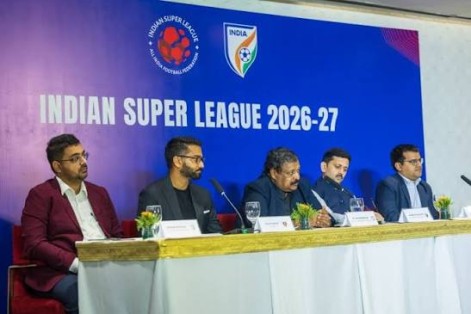
Indian Super League (ISL) clubs have assumed greater control over sponsorship and broadcasting commercial rights, representing a major shift in the league's commercial model. The move is expected to provide clubs with increased flexibility in generating revenue, negotiating partnerships, and strengthening long-term financial sustainability as Indian football continues its commercial evolution.
The development reflects a broader trend in professional sports where clubs seek greater influence over commercial assets to diversify income streams beyond matchday revenues and central league distributions.
Greater Commercial Autonomy for Clubs

The transfer of commercial rights gives ISL clubs more responsibility in managing key revenue opportunities.
Potential areas of control include:
- Sponsorship partnerships
- Broadcasting negotiations
- Digital media rights
- Brand licensing
- Commercial activations
- Regional marketing initiatives
- Fan engagement campaigns
Greater autonomy allows clubs to pursue strategies aligned with their individual market strengths and business objectives.
New Revenue Opportunities
Control over commercial rights could open additional sources of income for clubs.
Potential revenue drivers include:
- Title sponsorship agreements
- Jersey sponsorships
- Digital advertising
- Regional brand partnerships
- Content licensing
- Streaming collaborations
- Hospitality and premium experiences
Diversified revenue streams can help reduce dependence on central league funding.
Impact on the Sports Media Industry
The shift may reshape negotiations between clubs, broadcasters, and commercial partners.
Possible industry implications include:
- More competitive media rights negotiations
- Increased platform partnerships
- Growth in digital streaming opportunities
- Expansion of branded content
- Enhanced regional broadcasting strategies
- Greater audience targeting
- Innovative advertising formats
Media companies may tailor agreements to individual clubs with strong regional followings and fan engagement.
Benefits for Sponsors
Brands could benefit from more direct commercial relationships with clubs.
Key advantages include:
- Customised sponsorship packages
- Local market activation
- Greater brand visibility
- Fan-focused campaigns
- Digital engagement opportunities
- Community partnerships
- Data-driven marketing initiatives
This approach allows sponsors to build stronger connections with club supporters and regional audiences.
Business Implications for Indian Football
The new commercial structure could accelerate the professionalisation of India's football ecosystem.
Potential outcomes include:
- Improved club financial stability
- Increased private investment
- Higher commercial valuation
- Stronger brand development
- Better infrastructure investment
- Expansion of youth development programmes
- Enhanced global partnerships
Financial independence could support long-term growth across the league.
What Investors and Industry Stakeholders Should Watch
Market participants should monitor:
- Sponsorship deal announcements
- Broadcasting partnership developments
- Club revenue growth
- Fan engagement metrics
- Digital content performance
- Commercial partnership activity
- League governance changes
- Overall investment trends in Indian football
These indicators will help assess the commercial impact of the new rights structure.
Outlook
The transfer of sponsorship and broadcasting commercial rights to ISL clubs marks an important milestone in the business evolution of Indian football. Clubs with strong brands, loyal fan bases, and effective commercial strategies are likely to benefit the most, while broadcasters and sponsors may gain access to more flexible partnership models. If executed successfully, the new framework could strengthen the league's long-term financial sustainability and improve its competitiveness within the global sports industry.
Conclusion
The decision to give Indian Super League clubs greater control over sponsorship and broadcasting commercial rights signals a significant transformation in the league's business model. By expanding commercial autonomy, clubs are positioned to create new revenue opportunities, strengthen brand value, and build more sustainable financial foundations as India's professional football industry continues to mature.