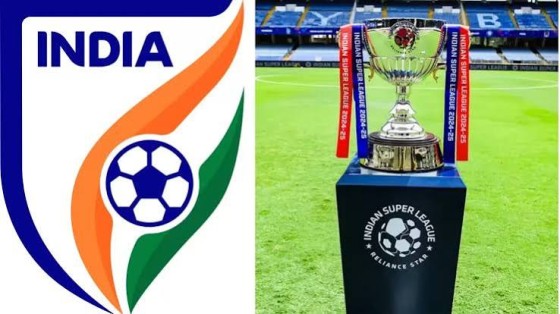
Indian Super League Clubs Prepare to Take Control of League Sponsorship and Broadcasting Operations
Indian Super League (ISL) clubs are preparing to assume a greater role in managing the league's sponsorship and broadcasting operations, marking a significant development in the commercial structure of Indian football. The proposed shift could provide clubs with increased influence over revenue generation, media rights negotiations and commercial partnerships while reshaping the league's long-term business model.
The move reflects a broader trend in global sports, where clubs are seeking a more active role in managing commercial assets to improve financial sustainability and enhance the value of league competitions.
Clubs Seek Greater Commercial Control

Under the proposed structure, ISL clubs are expected to play a more direct role in overseeing key commercial activities.
These responsibilities could include:
-
Sponsorship negotiations
-
Broadcasting partnerships
-
Media rights management
-
Commercial marketing
-
Brand partnerships
-
Digital content monetisation
-
Licensing opportunities
-
Fan engagement initiatives
Greater participation in commercial decision-making could enable clubs to align league strategies more closely with their long-term business objectives.
Broadcasting Rights Remain a Key Revenue Driver
Broadcasting rights are among the most valuable commercial assets for professional sports leagues.
Revenue generated through media rights supports:
-
Club operations
-
Player development
-
League marketing
-
Infrastructure investment
-
Youth football programmes
-
Match production
-
Digital innovation
-
Fan engagement
Securing strong broadcasting partnerships remains essential for expanding the league's reach and financial stability.
Sponsorship Continues to Drive Commercial Growth
Corporate sponsorship plays a central role in financing professional football competitions.
Major sponsorship opportunities include:
-
Title sponsorship
-
Official partners
-
Apparel partnerships
-
Stadium branding
-
Digital campaigns
-
Team sponsorships
-
Matchday activations
-
Fan engagement programmes
A club-led commercial model could provide greater flexibility in attracting both domestic and international brands.
Digital Platforms Gain Importance
Sports organisations are increasingly relying on digital channels to expand their audience and diversify revenue streams.
Key digital initiatives include:
-
Live streaming
-
Social media engagement
-
Exclusive digital content
-
Mobile applications
-
Fan loyalty programmes
-
Subscription services
-
Interactive experiences
-
Data-driven marketing
A stronger digital strategy can complement traditional broadcasting while improving fan engagement throughout the season.
Potential Benefits for Clubs
Greater commercial control could create several advantages for participating clubs.
Potential benefits include:
-
Higher revenue potential
-
Improved financial planning
-
Stronger commercial partnerships
-
Increased operational flexibility
-
Enhanced brand value
-
Better fan engagement
-
Greater investment in player development
-
Long-term financial sustainability
These benefits could support the continued professionalisation of Indian football.
Challenges Ahead
Transitioning to a club-led commercial structure also presents several operational and financial challenges.
Key considerations include:
-
Revenue-sharing arrangements
-
Governance structures
-
Media rights negotiations
-
Sponsor acquisition
-
Financial transparency
-
Coordination among clubs
-
Regulatory compliance
-
Long-term commercial planning
Successful implementation will require strong collaboration among all stakeholders.
Impact on Indian Football
A more commercially driven structure could contribute to the broader development of professional football in India.
Possible outcomes include:
-
Increased investment
-
Improved league competitiveness
-
Enhanced broadcasting quality
-
Greater international visibility
-
Expanded grassroots development
-
Better stadium experiences
-
Stronger club brands
-
Higher fan participation
Commercial growth can provide additional resources to strengthen the sport's overall ecosystem.
Global Sports Business Trends
Many leading football leagues have adopted increasingly sophisticated commercial models to maximise revenue.
Key industry trends include:
-
Centralised media rights
-
Digital-first broadcasting
-
Global sponsorship deals
-
Direct-to-consumer content
-
International expansion
-
Data-driven marketing
-
Fan-focused experiences
-
Commercial diversification
Indian football continues to evolve alongside these broader global developments.
Risks to Monitor
Despite the opportunities, several risks remain.
These include:
-
Broadcasting market competition
-
Sponsorship market conditions
-
Revenue concentration
-
Economic uncertainty
-
Audience growth challenges
-
Governance disputes
-
Operational execution
-
Regulatory changes
-
Fan engagement levels
-
Commercial performance
Addressing these risks will be important for ensuring sustainable long-term growth.
What Stakeholders Should Watch
Industry participants should monitor:
-
Sponsorship agreements
-
Broadcasting partnerships
-
Commercial revenue growth
-
Fan engagement metrics
-
Digital platform expansion
-
Club financial performance
-
Governance developments
-
League viewership
-
Brand partnerships
-
Future investment announcements
These indicators will help assess the effectiveness of the league's evolving commercial strategy.
Outlook
The proposed shift toward greater club involvement in sponsorship and broadcasting operations could represent a significant milestone in the commercial evolution of the Indian Super League. If implemented effectively, the model may improve financial sustainability, strengthen commercial partnerships and create additional growth opportunities for clubs and the league.
Continued collaboration between clubs, commercial partners and football authorities will be essential to maximise the long-term value of the competition.
Conclusion
Indian Super League clubs are preparing to play a more prominent role in managing sponsorship and broadcasting operations, reflecting the growing importance of commercial strategy in professional sports. By increasing their influence over key revenue-generating activities, clubs aim to strengthen financial sustainability while supporting the continued growth of Indian football.
As the league evolves, effective governance, successful media partnerships and strong commercial execution will be critical in shaping the future of the ISL's business model.