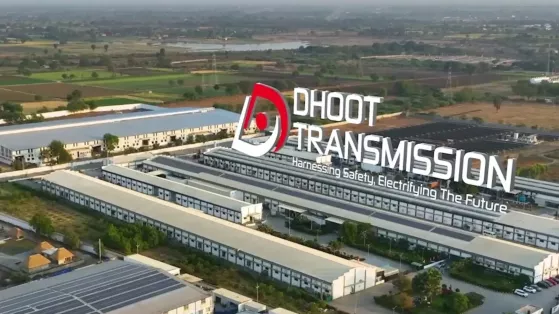
Dhoot Transmission Sets ₹829–₹871 Price Band for Upcoming IPO
Dhoot Transmission has set a price band of ₹829 to ₹871 per equity share for its upcoming initial public offering, moving the automotive components manufacturer closer to its public-market debut as India's primary market continues to see a steady pipeline of new issues.
The pricing announcement gives investors an important benchmark for evaluating the offering and assessing the company's valuation ahead of subscription. Dhoot Transmission's IPO also brings another manufacturing-focused business to the market at a time when India's automotive supply chain is benefiting from domestic vehicle production, localisation and increasing electronics content in automobiles.
Investor attention will now shift toward the IPO structure, institutional demand, subscription levels and the company's longer-term growth prospects.
Dhoot Transmission Sets IPO Price Band

The company has established its IPO price range at ₹829 to ₹871 per equity share.
The upper and lower ends of the band provide the valuation range within which eligible investors can submit bids during the subscription period.
Key areas investors will evaluate include:
-
IPO valuation
-
Issue structure
-
Fresh issue component
-
Offer-for-sale component
-
Lot size
-
Subscription dates
-
Use of proceeds
-
Post-issue ownership
These details will help investors assess the overall attractiveness of the offering.
IPO Moves Dhoot Transmission Toward Public Markets
The upcoming issue represents a significant milestone for Dhoot Transmission as it transitions toward becoming a publicly traded company.
A stock-market listing can provide several strategic advantages, including:
-
Access to equity capital
-
Increased corporate visibility
-
Greater financial transparency
-
Public valuation benchmark
-
Broader shareholder base
-
Future fundraising flexibility
-
Enhanced market credibility
-
Stronger governance requirements
The transition also introduces greater scrutiny of financial performance and management execution.
Dhoot Transmission Operates in Automotive Components
Dhoot Transmission operates within India's automotive component ecosystem, an industry closely linked to domestic and global vehicle manufacturing.
Auto-component manufacturers serve multiple segments of the mobility industry and benefit from demand generated by:
-
Passenger vehicles
-
Commercial vehicles
-
Two-wheelers
-
Electric vehicles
-
Off-highway vehicles
-
Replacement markets
-
Vehicle exports
-
Automotive electronics
The industry's growth prospects are increasingly connected to technological changes within vehicles.
India's Auto-Component Industry Continues to Expand
India has developed a large automotive manufacturing ecosystem supported by domestic vehicle demand and export-oriented production.
Structural growth drivers include:
-
Rising vehicle production
-
Supply-chain localisation
-
Automotive exports
-
Electric mobility
-
Premiumisation
-
Increasing electronics content
-
Manufacturing investment
-
Global sourcing diversification
Indian component suppliers capable of meeting international quality and cost standards could benefit as global manufacturers diversify sourcing networks.
Electric Vehicles Create New Opportunities
The transition toward electric mobility is changing the automotive supply chain.
Electric vehicles require different electrical architectures and components compared with conventional internal-combustion vehicles.
Growth areas include:
-
Wiring systems
-
Electrical components
-
Electronic controls
-
Sensors
-
Connectors
-
Charging systems
-
High-voltage components
-
Power electronics
Suppliers able to adapt product portfolios to changing vehicle architectures could capture additional opportunities as EV adoption expands.
Manufacturing Localisation Supports Suppliers
India's broader manufacturing strategy is encouraging greater localisation across automotive supply chains.
Vehicle manufacturers increasingly seek domestic suppliers capable of providing components at scale while meeting strict standards for:
-
Quality
-
Reliability
-
Cost
-
Safety
-
Delivery
-
Technology
-
Traceability
-
Sustainability
Localisation can reduce dependence on imported components while creating additional business opportunities for established domestic manufacturers.
IPO Valuation Will Be Closely Examined
The ₹829–₹871 price band allows investors to begin evaluating Dhoot Transmission's proposed market valuation relative to its financial performance and comparable listed companies.
Important valuation considerations include:
-
Revenue growth
-
Net profit
-
Operating margins
-
Earnings per share
-
Return on equity
-
Return on capital
-
Debt levels
-
Industry peer valuations
The quality of the underlying business remains important even when overall IPO market sentiment is strong.
Customer Diversification Matters
Automotive suppliers often depend heavily on relationships with major vehicle manufacturers.
Investors should therefore assess factors such as:
-
Customer concentration
-
Long-term contracts
-
Geographic diversification
-
Product diversification
-
Vehicle-segment exposure
-
Export contribution
-
New customer additions
-
Order visibility
A diversified customer base can reduce dependence on individual manufacturers or vehicle categories.
Raw Material Costs Remain a Key Risk
Auto-component manufacturers can be sensitive to movements in commodity and input costs.
Important inputs may include:
-
Copper
-
Aluminium
-
Steel
-
Plastics
-
Electronic components
-
Energy
-
Logistics
The ability to pass higher costs to customers can significantly influence margins during periods of commodity volatility.
India's Active IPO Market Provides Supportive Backdrop
Dhoot Transmission's offering arrives amid continued activity across India's primary market.
Companies from sectors including manufacturing, financial services, logistics, technology and consumer businesses are accessing public markets for capital.
This provides investors with a wider selection of opportunities but also increases the importance of disciplined evaluation.
Strong overall IPO activity does not guarantee positive performance for every new listing.
What Investors Should Watch
Ahead of the IPO, investors should monitor:
-
Final issue details
-
Anchor investor participation
-
Institutional demand
-
Subscription levels
-
IPO valuation
-
Financial performance
-
Customer concentration
-
Debt position
-
Use of proceeds
-
Listing performance
Investors should also evaluate the company's growth strategy within the changing automotive supply chain.
Risks to Monitor
Dhoot Transmission operates in an industry influenced by vehicle demand and manufacturing cycles.
Potential risks include:
-
Automotive demand slowdown
-
Customer concentration
-
Raw material volatility
-
Pricing pressure
-
Technology disruption
-
EV transition risks
-
Supply-chain disruptions
-
Competitive intensity
-
Export-market weakness
-
IPO valuation risk
The ability to manage these factors will influence long-term financial performance after listing.
Outlook
Dhoot Transmission's ₹829–₹871 IPO price band marks another important step toward its stock-market debut and provides investors with a clearer basis for evaluating the offering.
India's expanding automotive manufacturing base, localisation drive and transition toward electric and increasingly electronic vehicles provide long-term opportunities for component manufacturers.
The company's ability to capture these opportunities while maintaining margins, managing customer concentration and adapting to technological change will remain important after the IPO.
Conclusion
Dhoot Transmission setting a ₹829–₹871 price band moves the automotive component manufacturer closer to entering India's public markets.
The offering arrives against a supportive backdrop of manufacturing investment, automotive localisation and continued primary-market activity.
Investors will now focus on valuation, financial performance, subscription demand, customer relationships and the company's ability to participate in the transformation of India's automotive supply chain before deciding how the IPO fits within their investment strategies.