Premium Electronics and Luxury Gadgets Dominate Prime Day Shopping Trends
As Amazon's Prime Day 2026 goes live, big-ticket electronics — flagship phones, 4K TVs, premium audio, and smart glasses — are leading demand, powered by premiumisation and easy financing that are reshaping how India shops.
By Naina, 4th July 2026
Premium electronics and luxury gadgets are dominating shopping trends during Amazon's Prime Day 2026 sale in India, reflecting a broader shift toward aspirational, big-ticket consumption. As the 72-hour event runs from 4 to 6 July, demand has concentrated on high-end categories, from flagship smartphones and large 4K smart televisions to premium audio, smartwatches, and smart glasses, rather than only budget bargains. This premiumisation is being driven by rising incomes, easy financing options like no-cost instalments, and a growing appetite among Indian consumers to upgrade to higher-quality, feature-rich products. The trend underscores how India's e-commerce landscape is maturing, with premium and luxury technology increasingly at the centre of major shopping events.
The dominance of premium gadgets marks a notable evolution in online shopping behaviour. While value deals remain popular, the standout demand for expensive electronics signals a consumer base increasingly willing to spend on quality and status. This mirrors trends seen across other categories, from premium jewellery to lifestyle goods, as affluent and aspirational buyers reshape the market. Enabled by discounts, card offers, and instalment plans that make big purchases more accessible, and spreading well beyond metropolitan cities, the premium electronics boom has become a defining feature of India's biggest shopping festivals. Here is what is driving the trend, the categories leading demand, and what it reveals about the Indian consumer.
The Premium Shift
A clear shift toward premium is under way. During major online sales, demand has increasingly gravitated toward high-end electronics and gadgets, with consumers choosing flagship and feature-rich products over entry-level options. Shoppers are using sale events not just to save money but to upgrade to better devices they might otherwise find expensive. This premiumisation reflects rising aspirations and disposable incomes among a growing segment of Indian consumers. Rather than simply hunting for the cheapest deals, many buyers now treat these events as an opportunity to acquire premium products at more accessible prices, making high-end electronics and luxury gadgets the standout performers of the shopping season.
The Prime Day Context
The trend is playing out during a landmark sale. Amazon's Prime Day 2026, its tenth edition in India, runs for 72 hours from 4 to 6 July, exclusively for members, featuring more than 500 new product launches from over a hundred Indian and global brands. The event offers steep discounts across categories, reaching up to 80 percent on some electronics, alongside payment offers and instalment options. Prime Day has grown into one of India's biggest shopping events, rivalling festive sales, and last year set records for engagement and sign-ups. Its scale and the concentration of new premium launches make it a key window into evolving consumer preferences, particularly the appetite for high-end technology.
The Hot Categories
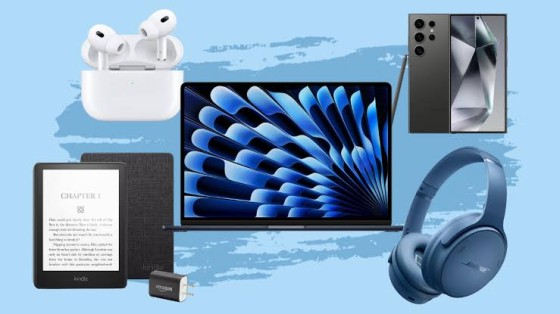
Premium electronics are leading demand. Flagship and premium-tier smartphones have been headline draws, with high-end models from top global and Indian brands attracting strong interest, aided by attractive pricing on otherwise costly devices. Large-screen 4K and ultra-high-definition smart televisions from leading brands have been another hot category, as consumers upgrade their home entertainment. Laptops, particularly premium and higher-performance models, along with tablets, have also seen robust demand. These big-ticket electronics, once considered aspirational purchases, are increasingly within reach during sale events, and their prominence reflects how central premium technology has become to the modern Indian household's shopping priorities.
The Luxury Gadgets
Luxury gadgets are a rising force. Beyond mainstream electronics, demand has grown for premium and cutting-edge devices such as smart glasses, high-end wireless audio and headphones, premium smartwatches and wearables, action cameras, and advanced smart-home devices. These gadgets, blending technology with lifestyle and status appeal, are increasingly popular among consumers seeking the latest innovations. The availability of such products at discounted prices during major sales has broadened their appeal beyond early adopters. The rise of this luxury-gadget segment reflects a maturing market where consumers are willing to invest in aspirational, feature-rich technology, further reinforcing the premium tilt of shopping trends during events like Prime Day.
The Financing Enabler
Easy financing is a crucial enabler. A major reason premium electronics have become so popular is the availability of no-cost instalment plans, instant discounts on partner bank cards, and exchange offers that reduce the effective price of high-value purchases. These options allow consumers to spread the cost of expensive devices over months, making flagship phones, large televisions, and premium laptops far more affordable than their sticker prices suggest. By lowering the barrier to big-ticket spending, financing has been instrumental in driving the shift toward premium products. This democratisation of access to expensive technology is a key structural factor behind the dominance of premium electronics in India's online shopping trends.
The Tier 2-3 Premiumisation
Premium demand is spreading beyond metros. A striking feature of recent shopping events has been the rapid growth of demand from smaller cities and towns, with a large share of new shoppers and sign-ups coming from tier-two and tier-three locations. Consumers in these markets are increasingly aspirational, seeking the same premium products as their metropolitan counterparts, enabled by e-commerce access and financing. This geographic broadening of premium consumption is expanding the market for high-end electronics and luxury gadgets well beyond traditional urban centres. The premiumisation trend is therefore not confined to affluent metros but is becoming a nationwide phenomenon, significantly enlarging the addressable market for premium technology.
The Consumer Trend
The pattern reflects a wider consumer evolution. The dominance of premium electronics mirrors a broader premiumisation across Indian consumption, from lifestyle goods to jewellery, as a growing segment of consumers trades up to higher-quality products. This aspirational spending is driven by rising incomes, exposure to global trends, and a desire for better experiences and status. Brands have responded by launching more premium products and flagship models, often timed to major sales, further fuelling the trend. The shift also reflects a degree of uneven consumption, with premium and affluent segments driving much of the growth. This evolution is reshaping how companies design, price, and market their products for the Indian consumer.
The Market Significance
The trend carries significant implications. For retailers and brands, the strength of premium categories, which carry higher values and often better margins, makes them increasingly central to sales strategies and profitability. The success of premium launches during events like Prime Day signals where consumer spending power and aspiration are concentrated, guiding future product and inventory decisions. For the broader economy, robust demand for big-ticket discretionary goods is a positive signal of consumer confidence, at least among the segments driving it. The premiumisation of shopping trends is thus not merely a retail phenomenon but a window into the changing structure of Indian consumption and the priorities of its expanding consumer class.
The Road Ahead
The dominance of premium electronics and luxury gadgets appears set to continue shaping India's shopping trends. As incomes rise, financing options expand, and aspirational consumption spreads across the country, demand for high-end technology is likely to strengthen further, with major sale events serving as key moments for premium purchases. Brands will continue to prioritise premium launches, and the upcoming festive season is expected to reinforce the trend. Challenges remain, including the uneven nature of the consumption recovery and the need to sustain demand beyond sale-driven spikes. For now, however, premium technology stands firmly at the centre of how India shops during its biggest online events, reflecting a consumer market that is steadily trading up.
Frequently Asked Questions
What are the top shopping trends during Prime Day 2026?
Premium electronics and luxury gadgets are dominating, with strong demand for flagship smartphones, large 4K smart televisions, premium laptops, high-end audio, smartwatches, smart glasses, and advanced smart-home devices, reflecting a shift toward aspirational, big-ticket spending.
When is Amazon Prime Day 2026 in India?
Amazon Prime Day 2026, the tenth edition in India, runs for 72 hours from 4 to 6 July, exclusively for Prime members, featuring over 500 new product launches and discounts across categories.
Why are premium electronics so popular?
Rising incomes and aspirations, combined with no-cost instalment plans, instant bank-card discounts, and exchange offers that make expensive devices more affordable, have driven consumers to upgrade to premium, feature-rich products during sale events.
Is premium demand limited to big cities?
No. Demand for premium electronics and luxury gadgets is spreading rapidly to smaller cities and towns, with a large share of new shoppers coming from tier-two and tier-three locations, making premiumisation a nationwide trend.
What does this trend signal?
It reflects a broader premiumisation of Indian consumption and the growing spending power and aspirations of an expanding consumer class, offering brands and retailers a clear signal of where demand and profitability are concentrated.