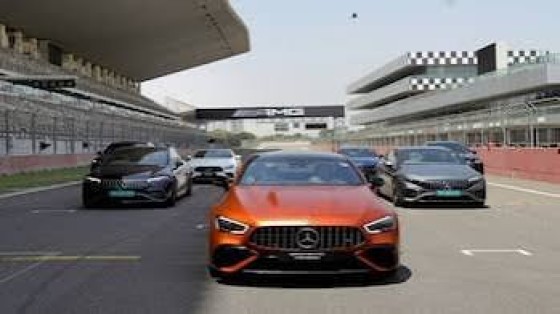
Premium Automobile Market Watches Fresh Earnings and Sales Updates From Global Luxury Carmakers
The global premium automobile market is entering another closely watched earnings and sales period as investors assess whether demand for luxury vehicles remains resilient amid uneven economic growth, evolving consumer preferences and continued investment in electric mobility.
Global luxury carmakers are under pressure to demonstrate that premium pricing, brand strength and product innovation can continue supporting margins even as competition intensifies across major markets. Investors are paying particular attention to sales performance in Europe, China, the United States and India, where premium vehicle demand is becoming an increasingly important component of the global luxury automotive industry.
Fresh earnings updates are expected to provide new signals on profitability, electric vehicle adoption, regional demand and the ability of automakers to manage production and pricing in a volatile market environment.
Luxury Vehicle Demand Remains a Key Investor Focus

Premium automobile manufacturers operate differently from mass-market carmakers because demand is generally supported by higher-income customers with greater purchasing power.
Important indicators include:
-
Global vehicle deliveries
-
Regional sales growth
-
Average selling prices
-
Product mix
-
Luxury SUV demand
-
High-performance vehicle sales
-
Electric vehicle adoption
-
Order books
These metrics help investors determine whether premium demand remains strong enough to support pricing and profitability.
Earnings Will Reveal Margin Strength
Luxury carmakers typically benefit from higher margins than mass-market manufacturers, but profitability remains sensitive to production costs, pricing and product mix.
Investors will closely examine:
-
Automotive operating margins
-
Gross profitability
-
Production costs
-
Pricing discipline
-
Incentive levels
-
Research and development spending
-
Currency effects
-
Capital expenditure
Maintaining pricing power remains particularly important as competition increases across electric and premium vehicle categories.
China Remains a Critical Market
China continues to be one of the most strategically important markets for global luxury automobile manufacturers.
Premium brands have historically relied heavily on Chinese customers for growth, making regional demand a major factor in quarterly performance.
Investors are monitoring:
-
Luxury vehicle sales
-
Consumer confidence
-
Dealer inventories
-
Discounting
-
Local EV competition
-
Premium SUV demand
-
New model launches
-
Pricing trends
Any meaningful change in Chinese demand can have a significant impact on global luxury automotive earnings.
Electric Vehicles Reshape Premium Competition
Electrification remains one of the largest strategic investments facing luxury automakers.
Premium manufacturers are investing in:
-
Battery-electric vehicles
-
Dedicated EV platforms
-
Charging ecosystems
-
Battery technology
-
Software
-
Power electronics
-
Vehicle connectivity
-
Advanced driver assistance
However, the pace of EV adoption varies significantly across markets, forcing companies to balance electric vehicle investment with continued demand for internal-combustion and hybrid models.
Hybrid Models Gain Strategic Importance
Slower-than-expected EV adoption in some markets has increased interest in hybrid powertrains.
For premium automakers, hybrids provide a way to reduce emissions while serving customers who may not yet be ready to move fully to battery-electric vehicles.
Potential advantages include:
-
Greater driving range
-
Lower fuel consumption
-
Familiar refuelling infrastructure
-
Reduced charging dependence
-
Broader customer appeal
-
Lower transition risk
The balance between battery EVs, hybrids and conventional vehicles will remain an important part of product strategy.
Luxury SUVs Continue to Drive Sales
SUVs have become central to the premium automotive market.
Demand for luxury SUVs remains strong because consumers value:
-
Larger interiors
-
Higher seating positions
-
Premium features
-
Performance
-
Versatility
-
Brand appeal
-
Technology
-
Safety
For many automakers, SUVs now represent some of their highest-volume and highest-margin products.
India Becomes More Important for Luxury Carmakers
India is emerging as an increasingly important premium automotive market as rising household wealth and expanding high-income consumer segments support luxury vehicle demand.
Growth drivers include:
-
Rising disposable incomes
-
Wealth creation
-
Entrepreneurial growth
-
Premium consumption
-
Urbanisation
-
Luxury brand awareness
-
Financing availability
-
New model launches
Global luxury brands are expanding dealership networks and introducing broader product portfolios to capture this opportunity.
Premium EV Demand in India Expands Gradually
India's luxury EV market remains relatively small compared with conventional premium vehicles but is becoming strategically important.
Premium EV adoption is supported by:
-
High-income early adopters
-
Corporate sustainability initiatives
-
Expanding charging infrastructure
-
New model availability
-
Technology-focused buyers
-
Lower running costs
Luxury customers may also be more willing to pay the higher upfront price associated with advanced electric vehicles.
Software Becomes a Competitive Differentiator
Modern premium vehicles increasingly compete on software as much as mechanical engineering.
Important technology areas include:
-
Digital cockpits
-
Infotainment
-
Connected services
-
Over-the-air updates
-
Advanced driver assistance
-
AI-powered features
-
Navigation
-
Personalisation
Software can strengthen customer loyalty while opening opportunities for recurring digital revenue.
Currency Movements Affect Global Earnings
Luxury automakers operate across multiple currencies, which can materially affect reported financial results.
Important currency exposures include:
-
Euro
-
U.S. dollar
-
Chinese yuan
-
British pound
-
Japanese yen
-
Indian rupee
Exchange-rate movements can influence export competitiveness, production costs and translated earnings.
Supply Chain Conditions Remain Important
Luxury vehicles require complex supply chains involving advanced electronics, specialised materials and high-value components.
Automakers continue monitoring:
-
Semiconductor availability
-
Battery materials
-
Logistics
-
Electronics
-
Aluminium
-
Steel
-
Rare-earth materials
-
Supplier capacity
Supply disruptions can affect production schedules and delay high-margin vehicle deliveries.
Investors Track Brand-Specific Performance
The upcoming earnings and sales updates will put attention on major premium manufacturers including:
-
Mercedes-Benz
-
BMW
-
Audi
-
Porsche
-
Ferrari
-
Lamborghini
-
Volvo Cars
-
Other premium and performance brands
Each company has different exposure to regions, vehicle categories and electrification strategies, making comparative performance particularly important.
What Investors Should Watch
Key indicators include:
-
Global luxury vehicle sales
-
Regional demand
-
Automotive margins
-
Average selling prices
-
EV deliveries
-
Hybrid vehicle demand
-
Dealer inventories
-
New model launches
-
China sales
-
India growth
Management commentary on pricing and future demand will also be closely watched.
Risks to Monitor
The premium automobile sector faces several important risks:
-
Weak global economic growth
-
China demand uncertainty
-
EV investment costs
-
Pricing competition
-
High interest rates
-
Currency volatility
-
Supply-chain disruptions
-
Regulatory changes
-
Tariffs
-
Technology transition risks
Luxury brands may be more resilient than mass-market manufacturers, but they are not immune to broader economic pressure.
Outlook
The next round of earnings and sales updates will provide an important test of whether global luxury vehicle demand remains resilient across major markets.
Premium automakers continue to benefit from strong brands, wealthy customer bases and high-margin products, but the industry is navigating significant changes in electrification, software and regional demand.
Companies that maintain pricing power while adapting product portfolios to shifting consumer preferences are likely to remain better positioned as competition intensifies.
Conclusion
The premium automobile market is closely watching fresh earnings and sales updates from global luxury carmakers for new signals on demand, profitability and electrification.
China, Europe, the United States and India remain key markets, while electric and hybrid vehicle strategies are becoming increasingly important determinants of long-term competitiveness.
Investors will focus on margins, pricing, regional sales, EV adoption and management guidance to assess whether luxury automakers can continue delivering profitable growth amid a rapidly changing automotive landscape.