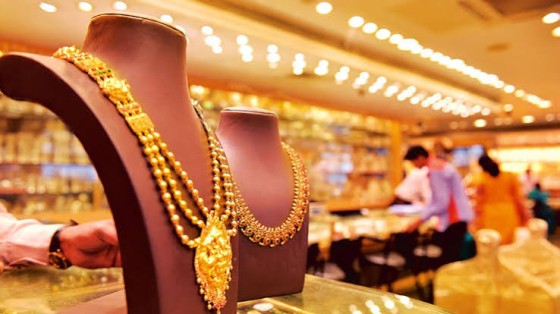
Gold and Silver Prices Recover During the Week, Putting Jewellery Retailers Back in Focus
Gold and silver prices recovered during the week after recent volatility, drawing renewed attention to jewellery retailers and the broader precious metals industry. The rebound has prompted investors and market participants to closely monitor consumer demand, festive purchasing trends and inventory strategies adopted by jewellery companies.
Precious metal prices play a significant role in determining jewellery sales, retailer profitability and consumer buying behaviour. While higher bullion prices can increase product costs, they also influence investment demand and encourage consumers to adjust purchasing decisions based on expectations of future price movements.
Precious Metals Stage a Weekly Recovery

Both gold and silver recorded gains during the week, reversing part of their earlier declines.
The recovery was supported by factors including:
-
Safe-haven demand
-
Global economic uncertainty
-
Currency movements
-
Central bank policy expectations
-
Inflation concerns
-
Investor portfolio diversification
-
Physical bullion demand
-
International commodity market trends
The improvement in prices has shifted investor attention back to companies operating across the jewellery value chain.
Jewellery Retailers Return to Investor Focus
Jewellery retailers are particularly sensitive to fluctuations in bullion prices because gold and silver form the primary raw materials for their products.
Investors are monitoring retailers for:
-
Sales momentum
-
Inventory management
-
Gross margin performance
-
Pricing strategies
-
Store expansion
-
Customer footfall
-
Premium product demand
-
Digital sales growth
Companies with efficient inventory planning and strong brand recognition may be better positioned to navigate periods of commodity price volatility.
Consumer Demand Remains a Key Driver
Consumer purchasing patterns continue to influence the performance of jewellery retailers.
Demand is typically supported by:
-
Wedding purchases
-
Festive buying
-
Investment demand
-
Gift purchases
-
Rising disposable income
-
Urban consumption
-
Premium jewellery trends
-
Organised retail expansion
The timing and strength of seasonal demand often determine sales growth during periods of changing bullion prices.
Impact of Higher Bullion Prices
An increase in gold and silver prices can have both positive and negative implications for the jewellery industry.
Potential benefits include:
-
Higher inventory valuation
-
Improved investor interest
-
Stronger investment demand
-
Increased brand visibility
Potential challenges include:
-
Higher procurement costs
-
Pressure on consumer affordability
-
Lower discretionary purchases
-
Margin management complexities
Retailers often balance these factors through pricing adjustments and inventory optimisation.
Organised Jewellery Retail Continues to Expand
India's organised jewellery market has continued to gain market share from unorganised businesses.
Growth is supported by:
-
Greater consumer trust
-
Hallmarked jewellery
-
Transparent pricing
-
Wider product selection
-
Omni-channel retailing
-
Brand loyalty
-
Financing options
-
Better customer service
Leading retailers continue expanding their physical store networks while strengthening digital sales channels.
Silver Demand Also Gains Attention
Silver has emerged as an increasingly important product category for many jewellery retailers.
Demand is supported by:
-
Affordable jewellery options
-
Investment purchases
-
Silverware demand
-
Fashion accessories
-
Industrial consumption
-
Festival gifting
-
Rural demand
-
Export opportunities
A recovery in silver prices can positively influence sentiment across both investment and retail markets.
Inventory Management Becomes Critical
Jewellery companies actively manage inventory to reduce the impact of commodity price fluctuations.
Key strategies include:
-
Hedging precious metal prices
-
Flexible procurement
-
Dynamic pricing
-
Inventory optimisation
-
Supply-chain planning
-
Product mix management
-
Working capital control
-
Vendor partnerships
Efficient inventory management helps retailers protect margins during periods of price volatility.
Broader Industry Implications
Movements in precious metal prices influence several sectors beyond jewellery retail.
Industries affected include:
-
Bullion trading
-
Precious metal refining
-
Mining
-
Banking and gold loans
-
Commodity exchanges
-
Export businesses
-
Luxury retail
-
Financial investment products
As a result, gold and silver price trends are closely watched across financial markets.
Risks to Monitor
Despite the recent recovery, several factors could continue influencing precious metal prices.
These include:
-
Global interest rate decisions
-
Inflation trends
-
Currency fluctuations
-
Geopolitical developments
-
Central bank purchases
-
International economic growth
-
Consumer demand
-
Commodity market volatility
-
Trade policies
-
Investment fund flows
Changes in these factors could affect both bullion prices and jewellery sector performance.
What Investors Should Watch
Investors should monitor:
-
Gold and silver price trends
-
Jewellery sales growth
-
Festive demand
-
Wedding season purchases
-
Retailer margins
-
Inventory levels
-
Store expansion
-
Consumer spending
-
Commodity price volatility
-
Management outlook
These indicators will provide insight into the near-term performance of jewellery companies and the broader precious metals market.
Outlook
The recovery in gold and silver prices has renewed market interest in jewellery retailers, particularly as the industry prepares for seasonal demand. While higher bullion prices may influence purchasing behaviour, organised retailers with strong brands, efficient inventory management and diversified product offerings are expected to remain well positioned.
Future performance will depend on commodity price stability, consumer sentiment and the strength of festive and wedding-related demand over the coming months.
Conclusion
The rebound in gold and silver prices has brought jewellery retailers back into focus as investors evaluate the impact of changing bullion costs on consumer demand and corporate profitability. Although higher precious metal prices present both opportunities and challenges, established retailers with disciplined inventory management and strong market presence are likely to benefit from sustained demand.
As economic conditions and global commodity markets continue to evolve, precious metals will remain a key factor influencing the performance of the jewellery retail industry.