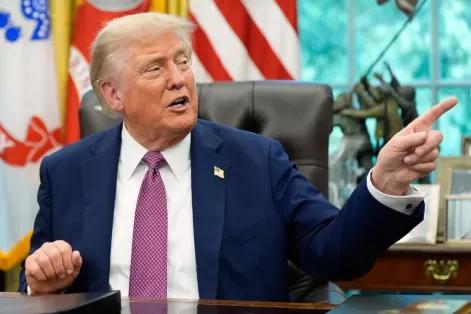
The delicate balance of U.S.–India diplomacy was tested this week after former U.S. President Donald Trump claimed that Prime Minister Narendra Modi had “assured” him India would halt its imports of Russian oil. The remarks quickly made global headlines, prompting an immediate response from India’s Ministry of External Affairs (MEA), which denied that any such conversation had taken place.
In his statement at a campaign event in Texas, Trump claimed that during a recent interaction, Prime Minister Modi promised to “stop buying oil from Russia” as part of global efforts to reduce Moscow’s revenues amid the ongoing conflict in Ukraine. The comment, however, was swiftly rejected by the Indian government, which emphasized that no such assurance had been made to Trump, either officially or informally.
MEA spokesperson Randhir Jaiswal stated that “India’s energy policy is guided solely by national interest and the need to ensure energy security for our citizens.” He further clarified that India maintains regular dialogue with multiple nations on energy matters, but decisions regarding oil imports are made independently, based on market conditions and domestic needs.
The controversy comes at a sensitive time in global energy politics. India, the world’s third-largest oil consumer, has been one of the major buyers of discounted Russian crude since Western sanctions limited Moscow’s access to Western markets. Despite criticism from the U.S. and Europe, India has maintained that its purchases are legitimate and vital for ensuring affordable energy supplies.
Trump’s claim has added an unexpected twist to the already complex geopolitical dynamics between Washington, New Delhi, and Moscow. Analysts note that while the U.S. continues to encourage India to diversify its energy imports, New Delhi has carefully balanced its ties, maintaining strategic partnerships with both the U.S. and Russia.
Oil markets reacted briefly to the controversy, with Brent crude prices rising by nearly 1% amid fears of potential supply disruptions. However, Indian officials and refiners have confirmed that there has been no change in import policies or purchase volumes.
Experts believe the episode underscores how statements from global leaders can influence diplomatic narratives and market sentiment. While the U.S. and India continue to expand defense and technology partnerships, the latest episode highlights the complexities of aligning political statements with economic realities in a multipolar world.
In summary, the Trump-Modi oil claim and India’s firm denial reflect the fine balance New Delhi maintains in its foreign policy—asserting sovereignty over energy decisions while navigating its strategic ties with major global powers.