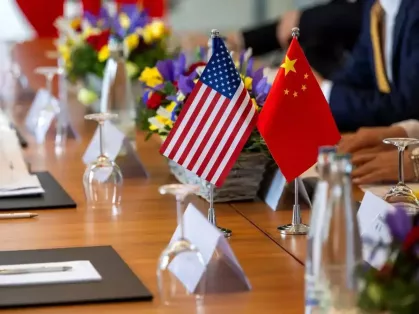
The United States and China have taken a cautious but significant step toward avoiding another flare-up in their long-running trade dispute. In a joint announcement, both governments confirmed that they will extend the existing tariff truce by an additional 90 days. The move is designed to keep trade channels open and give negotiators more breathing space as they work toward resolving deeper structural disagreements that have defined the trade war since its onset.
The extension comes at a time when global markets have been jittery over the possibility of renewed tariff hikes. Analysts say that without this temporary reprieve, billions of dollars in goods on both sides could have faced fresh import taxes, triggering a ripple effect through supply chains, manufacturing sectors, and consumer prices. By agreeing to pause escalation, Washington and Beijing are sending a message that while the road to a comprehensive trade deal remains bumpy, neither side is ready to push relations into a more damaging phase.
Behind the diplomatic language lies a complex web of unresolved issues. The trade war between the world’s two largest economies began over disputes about intellectual property protections, market access, and state subsidies for key industries. Over the years, it has morphed into a wider geopolitical rivalry, with tariffs serving as both a negotiating tool and a pressure tactic. The latest truce extension suggests that while progress has been made in some areas, significant sticking points remain—particularly around technology transfers, agricultural trade commitments, and enforcement mechanisms.
For the United States, the decision to extend the truce reflects a recognition that escalating tariffs at this stage could undercut domestic economic stability. American businesses, particularly in agriculture and manufacturing, have been vocal about the costs they bear when trade tensions rise. Exporters of soybeans, pork, and other agricultural products have faced significant losses during earlier phases of the trade war, while manufacturers dependent on Chinese components have warned about rising production costs.
For China, the truce buys time to manage its own economic headwinds. Slowing growth, property market instability, and the need to maintain export competitiveness make tariff relief an attractive option, at least in the short term. The extension also signals that Beijing remains committed to avoiding a complete breakdown in economic engagement with the United States, even as the two countries continue to compete in areas such as advanced technology and global influence.
International observers note that the 90-day period will be a critical test of both sides’ willingness to make substantive concessions. Past truces have sometimes ended in frustration when deadlines passed without major breakthroughs, leading to renewed rounds of tariffs and retaliatory measures. The challenge for negotiators now will be to convert this temporary pause into a framework for longer-term stability.
Markets have responded cautiously to the news. Stock indexes in both countries saw modest gains following the announcement, with investors welcoming the immediate de-escalation but remaining wary about the durability of the agreement. Currency markets also reacted, with the Chinese yuan strengthening slightly against the US dollar—a sign that traders are pricing in a short-term reduction in risk.
The truce’s political dimensions are also worth noting. In Washington, the administration faces pressure from both domestic industry groups calling for stability and political factions that want to maintain a hard line against China. In Beijing, the leadership must balance the optics of standing firm against US demands with the practical need to maintain economic momentum. Both governments are aware that any perception of weakness could be exploited by political opponents, making the path to compromise delicate.
Ultimately, the 90-day extension is less about resolving the trade war and more about keeping the door open. It is a tactical pause, not a peace agreement. Whether it evolves into something more durable will depend on the willingness of both sides to address not just the economic symptoms of their rivalry, but the strategic mistrust that underpins it. For now, businesses, investors, and consumers can breathe a little easier—but only for the next three months.