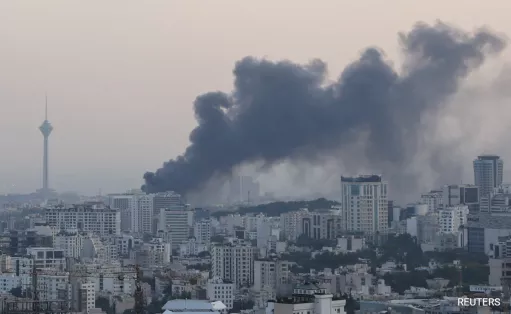
U.S. Strikes Iran’s Nuclear Facilities—Fordo, Natanz, and Isfahan Targeted Amid Escalating Tensions
In a dramatic escalation of Middle Eastern tensions, the United States launched precision airstrikes on Iran’s most critical nuclear facilities early Tuesday morning. The strikes, targeting the heavily fortified sites of Fordo, Natanz, and Isfahan, have sent shockwaves through global diplomatic and security circles, triggering widespread travel advisories and emergency alerts from multiple governments.
The Pentagon confirmed the operation, stating that it was in response to “credible intelligence suggesting imminent nuclear weaponization activity” in violation of international treaties. U.S. Defense Secretary Lloyd Austin emphasized that the mission aimed to degrade Iran’s nuclear capabilities without targeting civilian infrastructure.
Iran, however, called the airstrikes “an unprovoked act of war.” The Iranian Revolutionary Guard immediately mobilized anti-aircraft units, and Supreme Leader Ayatollah Khamenei warned of “severe retaliation.” Reports from Tehran suggest that while Natanz and Isfahan suffered significant structural damage, the Fordo facility—built deep beneath a mountain—remains largely intact.
This military offensive marks a turning point in years of nuclear diplomacy. Fordo and Natanz, in particular, have long been at the heart of international concern due to their capacity for uranium enrichment. Previous agreements such as the Joint Comprehensive Plan of Action (JCPOA) sought to monitor these sites, but with talks stalled since 2023 and growing regional instability, tensions have reached a breaking point.
In response to the strikes, nations including the UK, Canada, Germany, Australia, and India have issued Level 4 travel advisories, urging citizens to avoid all travel to Iran, Iraq, Israel, and surrounding regions. Airports in Tehran and Esfahan suspended international flights, while U.S. embassies across the Middle East have gone on high alert.
Global markets reacted swiftly. Crude oil prices surged by over 8%, gold hit a 2-year high, and Middle Eastern stock exchanges saw immediate drops. The prospect of open war between two of the world’s most heavily armed nations has rattled both investors and policymakers.
Meanwhile, the United Nations has called for an emergency Security Council meeting. UN Secretary-General António Guterres issued a grave warning: “This is a moment of utmost peril. The world must not sleepwalk into a nuclear confrontation.”
Cybersecurity threats have also surged. Within hours of the airstrikes, suspected Iranian cyber units attempted to breach power grids and defense systems in allied countries. While no major breaches have been confirmed, cybersecurity firms are reporting the highest alert levels since the SolarWinds attack of 2020.
The international airline industry is bracing for disruptions, with Emirates, Lufthansa, Qatar Airways, and Turkish Airlines rerouting or canceling flights passing over Iranian airspace. Insurance premiums on shipping in the Strait of Hormuz have also spiked, affecting one of the world’s most vital oil transit routes.
On the humanitarian front, aid organizations have expressed concern about the fallout from the strikes, particularly near Isfahan, where civilian areas may have suffered shockwave damage. The International Red Cross has already mobilized emergency response teams in neighboring Iraq.
As the world holds its breath, leaders from Beijing to Brussels are scrambling to prevent further escalation. Diplomats are urgently engaging in backchannel negotiations to restore calm, but with Iran’s leadership vowing retribution and U.S. forces in the region on high alert, the road to de-escalation looks perilously narrow.
This moment could define the geopolitical landscape for years to come—either by dragging the region into a devastating war or by forcing a new global reckoning with nuclear proliferation, diplomacy, and military overreach.