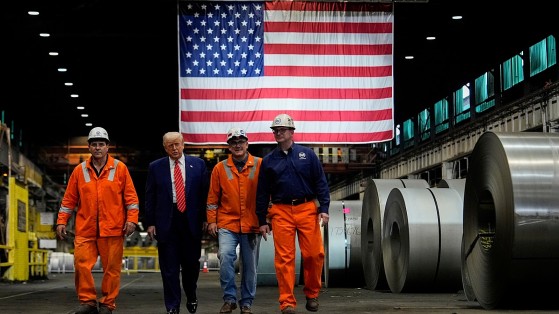
U.S. President Donald Trump has escalated trade measures by signing an executive order that doubles tariffs on imported steel and aluminium from 25 percent to 50 percent. The move is aimed at bolstering domestic manufacturing industries by making foreign metal imports more expensive and less competitive in the American market.
This sharp increase in tariffs marks a significant intensification of the ongoing trade policies initiated earlier to protect American steel and aluminium producers from overseas competition. However, the United Kingdom has been notably exempted from the new tariff hike, maintaining its prior agreement status with the United States.
The administration justifies this move as necessary to safeguard critical industries that are vital to national security and economic stability. However, international trade partners have warned that such aggressive tariff increases could provoke retaliatory measures, potentially triggering trade disputes or even a trade war.
Industry experts have expressed concern over the impact of these tariffs on supply chains and manufacturing costs within the U.S. sectors that rely on steel and aluminium as raw materials. They warn that the increased tariffs could lead to higher prices for consumers and affect the competitiveness of American businesses globally.
The exemption granted to the UK is seen as a diplomatic gesture amid ongoing negotiations surrounding trade deals and post-Brexit relations. Other nations have yet to be given clarity on their tariff status, adding uncertainty to global markets.
As the policy takes effect, stakeholders in the steel and aluminium industries are closely monitoring developments, preparing for potential shifts in trade dynamics and the broader implications for international economic relations.