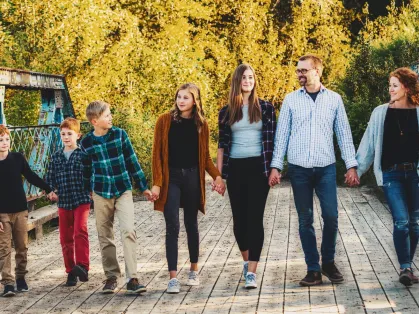
THE MORE SIBLINGS YOU HAVE, THE WORSE YOUR MENTAL HEALTH IS
In a thought-provoking new study, researchers have discovered that having more siblings may actually correlate with poorer mental health outcomes—challenging traditional beliefs that larger families are emotionally richer environments.
The study, conducted by a team of behavioral scientists and psychologists from multiple universities, analyzed over 18,000 families across different cultures and income levels. The findings were stark: individuals from larger families, especially those with three or more siblings, reported higher levels of anxiety, depression, and emotional exhaustion.
So what’s going on? Researchers believe the mental strain comes from resource dilution—the more children there are, the less time and attention each one receives from parents. Additionally, competition for emotional support, privacy, and even basic needs can create an environment of stress rather than support.
Dr. Eliza Morgan, the lead author of the study, explained:
“Siblings offer companionship, but they can also be a source of intense rivalry, stress, and emotional suppression—especially in households where emotional needs aren’t met equally.”
Interestingly, the study also found that middle children in large families tended to suffer the most, often feeling ignored or overshadowed. First-borns and last-borns fared slightly better, but not by a large margin.
This research is not a verdict against big families, but rather a call for emotional awareness. It highlights the importance of individual attention, open communication, and professional support systems in maintaining mental wellness—regardless of how many siblings one has.
As the mental health conversation gains urgency worldwide, studies like this shine a light on the hidden psychological costs of family dynamics that have long gone unspoken.