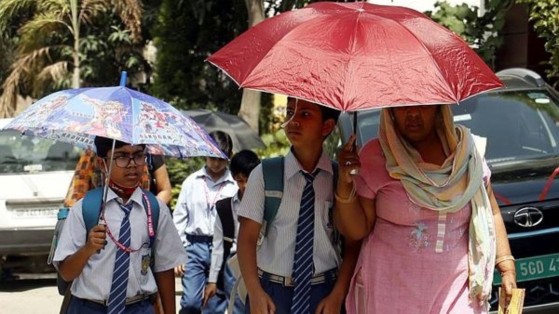
Education Sector Updates: States Revise School
Schedules and Timings Amid Weather and Safety
Concerns
Several state governments across India have issued fresh directives adjusting school schedules, timings, and operations due to rising weather-related risks and ongoing safety considerations. These decisions come as extreme temperatures, pollution levels, fog, and other environmental factors continue to affect student health and daily commute conditions.
In northern states, dense fog and severe cold-wave warnings have prompted authorities to delay school opening timings for both government and private institutions. Morning shifts have been pushed later into the day to ensure safer travel for students, especially those who rely on public transport or walk long distances. Some states have even implemented temporary closures for younger classes to minimize exposure to harsh weather conditions.
Regions facing air-quality crises have introduced special guidelines, restricting outdoor activities such as sports and morning assemblies. Schools are being advised to conduct indoor sessions and adopt precautionary measures including air purifiers where feasible, mask usage, and health advisories for students with respiratory concerns. These instructions reflect growing attention toward the immediate health impacts of pollution on children.
In coastal and northeastern states dealing with heavy rains or storm alerts, local administrations have modified school timings and issued advisories for parents and institutions. Temporary closures or half-day schedules have been implemented in affected districts to reduce travel risks and ensure adequate preparedness for weather fluctuations.
Safety-related concerns have also contributed to schedule adjustments. Urban areas experiencing increased traffic congestion, low visibility, or road-safety hazards have received updated timing notifications from state education departments. These measures aim to reduce the risk of travel accidents and ensure smoother, safer movement around school zones.
Education departments emphasize that these schedule changes are temporary and will be reviewed regularly based on weather data, safety updates, and local conditions. Schools have been instructed to communicate changes promptly to parents to minimise confusion and ensure continuity in academic activities.
Overall, the revised school schedules highlight a proactive approach by state governments, prioritizing student well-being while ensuring that learning continues with minimal disruption. The education sector is adapting quickly to environmental challenges, underscoring the importance of flexible planning and safety-first policies in modern school governance.