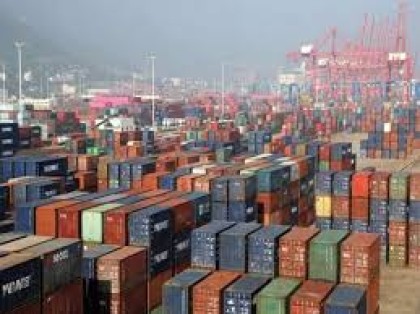
India’s merchandise trade deficit narrowed significantly in May 2025, falling to $21.88 billion from $26.4 billion recorded in April. The improvement was primarily driven by a decline in imports, especially of non-essential and energy-related goods, while exports remained relatively stable.
According to preliminary data from the Ministry of Commerce, goods exports stood at $38.12 billion, marginally higher than April figures, while imports declined to $60 billion, reflecting lower inbound shipments of crude oil, electronics, and industrial machinery.
In parallel, India’s services trade surplus continued to bolster the overall trade balance, registering $14.65 billion in May. Key drivers in the services sector included software exports, business consulting, and financial services, maintaining India’s global edge in IT and knowledge-based industries.
Economists view the shrinking trade gap as a positive signal for the country’s current account position, particularly amid a volatile global trade environment and rising geopolitical risks. The narrowing deficit could help stabilize the Indian rupee and ease inflationary pressures driven by import costs.
Policy analysts also point out that the consistent growth in services exports is playing an increasingly critical role in offsetting the merchandise deficit. With digital trade and cross-border business solutions expanding, India is expected to maintain a healthy services surplus in the months ahead.
The data has also injected optimism in financial markets, with investors hopeful that a more balanced trade performance could support fiscal resilience and macroeconomic stability in the face of global economic uncertainties.
As India continues to pursue trade diversification and supply chain resilience, the narrowing trade deficit in May offers a welcome relief for policymakers, exporters, and financial planners alike.