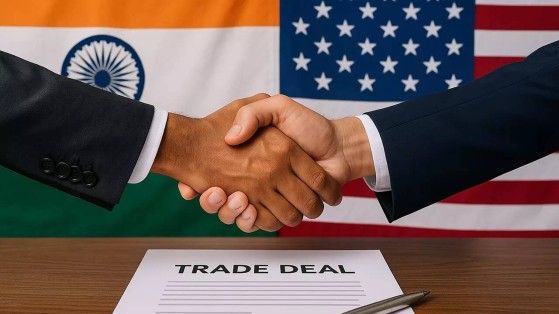
India and the United States are reportedly nearing a significant trade agreement aimed at reducing U.S. tariffs on Indian imports to approximately 15–16 percent. This development represents a major step in strengthening economic ties between the two nations and has the potential to reshape bilateral trade dynamics. Lowering tariffs would make Indian goods more competitive in the U.S. market, encouraging higher exports and enhancing India’s position in global trade.
The proposed tariff reduction is expected to cover a wide range of products, including textiles, leather goods, engineering items, processed foods, and other manufactured goods. For Indian exporters, this presents an opportunity to expand market access and increase revenue, while for U.S. businesses and consumers, it could result in access to competitively priced products. The agreement is seen as a strategic effort to create a more balanced and mutually beneficial trading relationship between the two countries.
Beyond the immediate economic benefits, the trade negotiations carry strategic significance. India and the U.S. have been collaborating in sectors such as technology, energy, defense, and infrastructure, and this trade deal would strengthen overall bilateral relations. Reducing tariffs may also encourage U.S. investment in Indian industries, boosting manufacturing capabilities, creating jobs, and supporting India’s economic growth objectives.
The timing of the agreement comes at a crucial juncture as global trade environments evolve, and countries seek to secure stable partnerships with reliable trading partners. By lowering tariffs, both nations signal their commitment to sustaining long-term economic cooperation, ensuring smoother market access, and fostering a climate conducive to investment and industrial collaboration.
The potential impact of the deal is far-reaching. Indian exporters could see improved competitiveness and increased volumes in the U.S. market, while U.S. importers would benefit from a diversified range of products at reduced costs. The agreement may also influence global trade patterns, encouraging other countries to explore similar bilateral arrangements and enhancing India’s role in international trade negotiations.
While final details of the deal are still being discussed, the near completion of these negotiations highlights the growing economic interdependence between India and the United States. It underscores a shared vision of promoting trade, investment, and cooperation in sectors critical for economic growth and innovation. A successful agreement would not only strengthen bilateral trade but also reinforce India’s position as a key player in the global market.