India Shuts Its Doors: Visa Revocation for Pakistani Nationals Sparks Diplomatic Firestorm
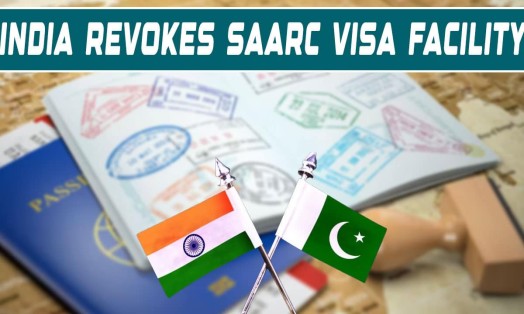
In a bold and controversial move, India has revoked all visas issued to Pakistani nationals and imposed a comprehensive travel ban under the SAARC Visa Exemption Scheme, effectively halting any civilian travel from Pakistan to India. This decision, which has sent diplomatic shockwaves across the subcontinent, represents a significant escalation in the deteriorating ties between the two nations.
What the Ban Means
All existing visas held by Pakistani citizens — including those for tourism, medical treatment, business, education, and cultural exchange — have been declared invalid. More significantly, India has suspended Pakistan’s eligibility under the SAARC Visa Exemption Scheme, a regional mechanism designed to ease travel among South Asian countries. This action essentially locks Pakistani nationals out of India indefinitely.
The Trigger Behind the Decision
Sources indicate that the decision stems from a combination of national security concerns, intelligence reports about misuse of travel channels, and continued geopolitical friction — particularly relating to cross-border terrorism, Kashmir, and India's internal security threats. The move is being described by Indian officials as both a protective measure and a political signal.
Impact on Diplomacy and Daily Life
The ban not only cripples diplomatic and cultural exchange but also affects hundreds of families with cross-border ties, students enrolled in Indian institutions, and patients awaiting medical visas. Additionally, Pakistani artists, athletes, and scholars are now barred from visiting India for events, causing a ripple effect across entertainment, sports, and academic circles.
SAARC in Crisis?
The SAARC Visa Exemption Scheme, established to promote cooperation among South Asian nations, has now taken a severe hit. Critics argue that the suspension weakens the very foundation of SAARC, which has already been strained in recent years. With India’s growing strategic focus shifting toward QUAD and BIMSTEC, this move may signal a gradual distancing from traditional South Asian frameworks.
Pakistan Reacts with Fury
Islamabad has strongly condemned the visa revocation, calling it a "hostile and undiplomatic" maneuver. Pakistani officials have accused India of attempting to isolate Pakistan diplomatically, and are reportedly considering retaliatory measures, including limiting Indian access to religious pilgrimage sites in Pakistan such as Kartarpur Sahib.
A Hardening Stance
India’s visa ban reflects a larger policy recalibration, where tolerance for diplomatic courtesies appears to be diminishing in favor of a more assertive national security doctrine. By closing its borders to Pakistani citizens, India is essentially drawing a hard line on what it perceives as unacceptable behavior from its neighbor.
Global Watchdogs Take Notice
International observers and human rights organizations have expressed concern about the humanitarian and cultural fallout of the ban, urging both countries to de-escalate. However, India maintains that sovereign security interests override diplomatic sensitivities, especially when civilian travel could be exploited for strategic harm.
Conclusion
The revocation of visas and the suspension of Pakistan under the SAARC Visa Exemption Scheme is not merely a bureaucratic order — it is a geopolitical statement. It signals the arrival of a new phase of hardened diplomacy, where borderlines are not just physical, but deeply political. In a region where dialogue is already fragile, the silence at the gates could echo for a long time.