Coca-Cola Loses Market Share in India as Higher Aluminium Costs Pressure Margins
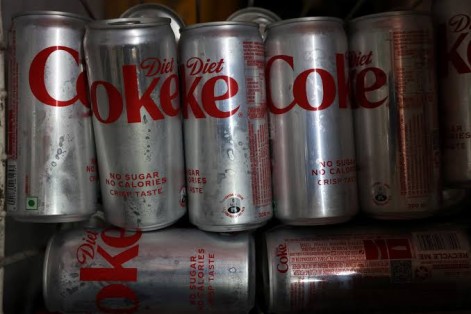
Coca-Cola has reported a decline in market share in India as rising aluminium prices increased packaging costs and pressured profitability, highlighting the challenges facing global beverage companies operating in one of the world's fastest-growing consumer markets.
India remains a strategically important market for Coca-Cola because of its expanding middle class, rising disposable incomes and growing consumption of packaged beverages. However, higher input costs and intense competition have created a more demanding operating environment.
The latest performance demonstrates how commodity inflation can affect consumer goods companies, even when long-term demand for branded beverages remains strong.
India Remains a Key Growth Market

India has become one of Coca-Cola's most important long-term growth markets.
Compared with developed economies, per capita soft-drink consumption in India remains relatively low, providing significant room for future expansion.
Several factors continue to support long-term demand:
-
Rising household incomes
-
Urbanisation
-
Expanding modern retail
-
Quick-commerce growth
-
Food-service expansion
-
Younger consumers
-
Increasing out-of-home consumption
-
Hot climatic conditions
These structural trends continue to make India an attractive market despite near-term challenges.
Market Share Declines Amid Intense Competition
The reported loss of market share indicates that competition within India's beverage sector remains intense.
The market includes multinational brands, regional beverage companies and fast-growing packaged drink categories.
Competition extends across:
-
Carbonated soft drinks
-
Fruit-based beverages
-
Packaged water
-
Sports drinks
-
Energy drinks
-
Ready-to-drink tea
-
Ready-to-drink coffee
-
Juice-based beverages
Maintaining market share requires continuous investment in pricing, distribution, product innovation and marketing.
Aluminium Costs Increase Packaging Expenses
Higher aluminium prices have emerged as an important cost challenge.
Aluminium is widely used in beverage cans, making it a critical raw material for soft-drink manufacturers.
An increase in aluminium prices can affect:
-
Packaging costs
-
Manufacturing expenses
-
Gross margins
-
Operating profitability
-
Product pricing decisions
-
Inventory costs
-
Supply-chain planning
-
Procurement strategies
For high-volume consumer goods companies, even relatively modest increases in packaging costs can have a meaningful financial impact.
Commodity Inflation Pressures FMCG Margins
Packaging materials represent a major component of operating costs across the fast-moving consumer goods (FMCG) industry.
Besides aluminium, beverage companies also face exposure to:
-
PET resin
-
Sugar
-
Fruit concentrates
-
Glass bottles
-
Transportation
-
Fuel
-
Energy
-
Labour
When several input costs rise simultaneously, companies must decide whether to absorb the increase or pass it on to consumers through higher prices.
Both approaches carry risks.
Pricing Decisions Become More Difficult
Consumer goods companies must carefully balance profitability with affordability.
Passing higher costs directly to consumers can protect margins but may reduce demand if price-sensitive customers switch to competing products.
Absorbing higher costs can help preserve market share but may weaken profitability.
For Coca-Cola, pricing decisions are particularly important in India because affordability remains a key driver of beverage purchases across many consumer segments.
Maintaining attractive price points while managing rising costs is therefore a central strategic challenge.
Distribution Strength Remains a Competitive Advantage
Coca-Cola continues to operate one of the largest beverage distribution networks in India.
Its products are available across:
-
Traditional retail
-
Modern supermarkets
-
Convenience stores
-
Restaurants
-
Hotels
-
Cafés
-
Quick-commerce platforms
-
E-commerce channels
A strong distribution network supports product availability and helps the company reach consumers across urban and rural markets.
However, distribution alone is not sufficient when competition intensifies.
Consumer Preferences Continue to Evolve
Indian beverage consumption is becoming increasingly diversified.
Consumers are exploring a wider range of products, including:
-
Low-sugar beverages
-
Functional drinks
-
Energy beverages
-
Hydration products
-
Premium soft drinks
-
Fruit beverages
-
Sparkling water
-
Ready-to-drink beverages
Changing consumer preferences require companies to continually refresh product portfolios while maintaining the popularity of established brands.
Innovation therefore remains an important part of long-term growth.
Marketing and Brand Investment Stay Critical
Coca-Cola has historically relied on strong brand recognition supported by significant marketing investment.
Brand visibility remains important because beverage purchases are often influenced by consumer familiarity, retail visibility and promotional campaigns.
Marketing priorities typically include:
-
Digital advertising
-
Sports sponsorships
-
Music partnerships
-
Seasonal campaigns
-
Retail promotions
-
Youth engagement
-
Product launches
-
Brand experiences
Sustained investment helps companies protect market share during periods of heightened competition.
Quick Commerce Creates New Growth Opportunities
India's rapid expansion of quick-commerce platforms is changing beverage consumption patterns.
Consumers increasingly order drinks through:
-
Instant delivery apps
-
Grocery delivery services
-
Food delivery platforms
-
Digital marketplaces
This creates opportunities for impulse purchases and smaller basket orders.
For beverage companies, visibility across quick-commerce platforms is becoming almost as important as traditional retail shelf space.
Supply Chain Efficiency Becomes More Important
Managing higher input costs requires greater supply-chain efficiency.
Companies can respond through:
-
Better procurement
-
Packaging optimisation
-
Manufacturing productivity
-
Logistics efficiency
-
Inventory management
-
Supplier diversification
-
Waste reduction
-
Production planning
Operational improvements can partially offset commodity inflation without immediately increasing consumer prices.
India's Beverage Market Still Offers Long-Term Potential
Despite short-term market share pressure, India's beverage industry continues to offer substantial long-term opportunities.
Several structural trends remain favourable:
-
Population growth
-
Rising urbanisation
-
Expanding organised retail
-
Growing disposable income
-
Premiumisation
-
Cold-chain expansion
-
Digital commerce
-
Rising brand awareness
These factors support continued expansion of the packaged beverage market over the coming years.
Investors Will Watch Margin Recovery
For investors, the focus extends beyond sales volumes.
Key financial indicators include:
-
Revenue growth
-
Gross margins
-
Operating margins
-
Market share
-
Volume growth
-
Pricing
-
Commodity costs
-
Cash generation
-
Marketing expenditure
-
Distribution expansion
The ability to restore margins while maintaining competitive positioning will remain an important measure of operational performance.
Risks Facing the Business
Coca-Cola continues to face several business risks in India.
These include:
-
Commodity price inflation
-
Intense competition
-
Changing consumer preferences
-
Weather-related demand fluctuations
-
Sugar-price volatility
-
Packaging costs
-
Regulatory changes
-
Currency movements
-
Distribution expenses
-
Pricing pressure
Successfully managing these factors will be essential for sustaining long-term growth.
Outlook
Although higher aluminium prices have increased packaging costs and contributed to pressure on market share and profitability, India's long-term fundamentals remain favourable for Coca-Cola.
The company continues to benefit from a strong portfolio of brands, an extensive distribution network and rising consumer demand for packaged beverages.
The next phase of growth will depend on balancing pricing with affordability, improving operating efficiency and adapting product offerings to evolving consumer preferences.
Conclusion
Coca-Cola's reported decline in market share in India highlights the increasingly competitive nature of the country's beverage industry and the impact that commodity inflation can have on consumer goods companies.
Higher aluminium prices have increased packaging costs, placing pressure on margins while forcing the company to carefully manage pricing and profitability.
Despite these short-term challenges, India remains one of Coca-Cola's most strategically important growth markets.
The company's ability to strengthen distribution, innovate across beverage categories and manage input costs will play a key role in determining whether it can regain market share while sustaining long-term earnings growth.