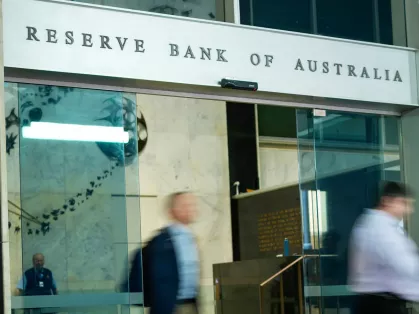
Australia’s economic and political landscapes collided this week as the Reserve Bank of Australia (RBA) delivered its third interest rate cut of the year, lowering the official cash rate by 0.25% to 3.6%. For many Australian households and businesses, the announcement was a welcome relief from the persistent financial strain of recent years. Major banks, including Westpac and the Commonwealth Bank of Australia (CBA), were quick to pass on the full reduction to borrowers, signaling an immediate easing of repayment pressures for millions of mortgage holders. Treasurer Jim Chalmers praised the RBA’s decision, framing it as a timely move that could help stimulate spending and investment at a moment when the economy has been showing signs of cooling. According to Chalmers, the cut represents not just economic relief but also a measure of confidence that inflationary pressures are easing, allowing the central bank to shift its focus toward growth.
But while the rate cut brought economic headlines, political tensions were simmering on an entirely different front. The Albanese government’s decision to formally recognize a Palestinian state has triggered a fierce and deeply divisive national debate. Supporters of the move have described it as a principled step toward justice and international diplomacy, aligning Australia with other nations that have taken similar positions. Critics, however, argue that the recognition is premature and undermines Australia’s long-standing alliances in the Middle East. The Coalition wasted no time in announcing that, if returned to power, they would reverse the recognition immediately. Opposition Leader Peter Dutton condemned the decision as reckless, accusing the government of sacrificing strategic relationships for symbolic gestures.
The political backlash has overshadowed what might otherwise have been a straightforward economic news cycle. In Parliament and across media platforms, the discussion around Palestine recognition has become a lightning rod for broader ideological disputes—touching on foreign policy, national security, and Australia’s place in global affairs. The timing of the recognition, coinciding with economic policy changes, has led some commentators to suggest that the government is trying to balance domestic economic reassurance with a bold, values-driven foreign policy stance.
For the RBA, the decision to cut rates comes after months of careful analysis of inflation trends, employment figures, and global economic pressures. Analysts note that three consecutive rate cuts in a single year is rare and suggests the central bank is concerned about slowing growth. Consumer spending has been sluggish, wage growth moderate, and business investment hesitant—factors that have all contributed to the bank’s decision to provide a monetary boost. The housing market, which had cooled following a series of rate hikes in previous years, is expected to see renewed activity. However, some economists caution that lower rates could reignite property price surges, potentially worsening affordability for first-time buyers.
The political dimension remains equally volatile. The government’s recognition of Palestine has implications beyond foreign policy—it could shape trade, diplomatic partnerships, and even electoral outcomes. The Coalition is banking on public skepticism to fuel its campaign narrative, portraying Labor as out of touch with Australia’s strategic interests. Meanwhile, advocates for recognition see it as a moral imperative that will stand the test of time, regardless of short-term political costs.
As the country absorbs these two major developments, the intersection of economics and politics is impossible to ignore. On one hand, Australians are watching their mortgage repayments fall, giving them breathing room in an uncertain global economy. On the other, they are witnessing a heated political battle that could redefine Australia’s stance on one of the most contentious issues in international relations. The months ahead will reveal whether the government can navigate both challenges without losing public trust—or whether one of these high-stakes decisions will overshadow the other in the national conversation.