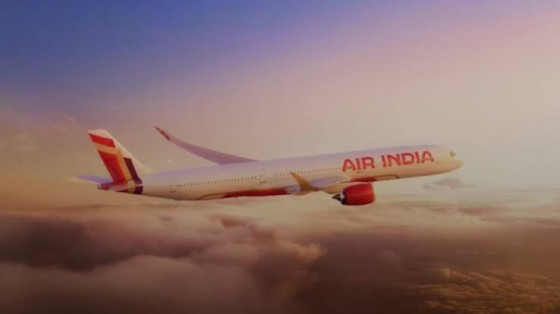
Air India Reports ₹22,238 Crore FY26 Net Loss as Tata Group Continues Turnaround
Air India and its low-cost subsidiary Air India Express reported a combined net loss of ₹22,238 crore for FY26, highlighting the financial challenges facing Tata Group as it continues one of the most ambitious airline turnaround programmes in India's aviation industry.
The combined loss more than doubled from ₹10,859 crore in the previous financial year, while combined revenue declined by nearly 9% to ₹71,870 crore. The results underline the scale of the operational and financial work still required to transform the airline group into a sustainably profitable global aviation business.
Tata Sons Chairman N. Chandrasekaran has indicated that Air India's transformation should be viewed as a five-to-10-year journey, reflecting challenges ranging from fleet modernisation and legacy systems to supply-chain disruptions, geopolitical pressures and organisational transformation.
Air India and Air India Express Report Heavy Losses

The financial performance varied across the group's full-service and low-cost airline businesses.
Air India reported revenue of ₹51,452 crore and a net loss of ₹15,368 crore during FY26. Air India Express generated revenue of ₹19,088 crore while reporting a net loss of ₹6,767 crore.
Together, the two airlines recorded revenue of ₹71,870 crore and losses exceeding ₹22,000 crore.
The deterioration comes as the airline continues restructuring operations following years of underinvestment before its return to Tata Group ownership.
Turnaround Timeline Extends to Five to 10 Years
Tata Group's assessment suggests that rebuilding Air India will require considerably more time than a conventional corporate restructuring.
The transformation involves several major priorities, including:
-
Modernising the aircraft fleet
-
Upgrading legacy technology systems
-
Improving customer experience
-
Strengthening operational reliability
-
Developing technical capabilities
-
Recruiting and training aviation professionals
-
Improving organisational culture
-
Building a globally competitive network
The extended timeline reflects the complexity of transforming an airline while simultaneously maintaining large-scale daily operations.
Fleet Transformation Remains Central to Strategy
Fleet modernisation remains one of the most important components of Air India's long-term plan.
Modern aircraft can help the airline improve fuel efficiency, reliability and passenger experience while supporting expansion into international markets. However, aircraft procurement and retrofitting require substantial capital and can take years to complete.
Global supply-chain constraints affecting aircraft manufacturers, engines and other aviation components have also complicated fleet renewal programmes across the industry.
Geopolitical Conditions Increase Operating Pressure
Air India's financial performance has also been affected by difficult external conditions.
International airlines have faced challenges from airspace restrictions, geopolitical tensions and elevated fuel costs. Longer flight routes caused by airspace closures can increase fuel consumption, crew requirements and aircraft utilisation costs.
For an airline with significant international operations, these disruptions can materially affect operating economics.
Tata Group Continues Long-Term Aviation Commitment
Despite the heavy losses, Tata Group continues to position Air India as a strategic long-term investment.
The group's objective extends beyond short-term profitability. Air India is being rebuilt as a large network carrier capable of connecting India's expanding aviation market with major international destinations.
The strategy includes improving domestic connectivity while strengthening long-haul operations and building major Indian airports into more important international aviation hubs.
Singapore Airlines Remains a Major Shareholder
Following the integration of Vistara with Air India, Singapore Airlines holds a significant minority stake in the airline.
Air India's ownership includes Tata Sons as the controlling shareholder, Singapore Airlines as a strategic shareholder and a smaller employee interest.
Singapore Airlines' participation provides Air India with an experienced global aviation partner as the airline works to improve operations, service standards and international competitiveness.
India's Aviation Market Offers Long-Term Opportunity
Air India's losses come against the backdrop of strong structural growth in Indian aviation.
Long-term demand is being supported by:
-
Rising household incomes
-
Expanding middle-class travel
-
Growing international tourism
-
Increasing business travel
-
Airport infrastructure investment
-
Greater regional connectivity
-
Growing demand for direct international routes
-
India's expanding economic footprint
These trends explain why major aviation groups continue investing despite the industry's high operating costs and intense competition.
Profitability Remains the Critical Challenge
The central question for Air India is whether operational improvements can eventually translate into sustainable profitability.
Airline economics depend on several interconnected factors, including:
-
Passenger load factors
-
Ticket pricing
-
Fuel expenses
-
Aircraft utilisation
-
Maintenance costs
-
Employee productivity
-
Network efficiency
-
Premium passenger demand
-
Cargo revenue
-
Financing expenses
Even relatively small changes in these variables can significantly affect airline profitability.
What Investors and the Aviation Industry Should Watch
Attention will increasingly focus on whether Air India can narrow losses while continuing its transformation programme.
Fleet delivery schedules, aircraft availability, international network strategy, operating costs and passenger experience will remain important indicators. Cost discipline will become particularly significant as Tata Group balances investment requirements with the need to improve the airline's financial performance.
Leadership developments will also be closely watched as the company moves through the next phase of its transformation.
Outlook
Air India's ₹22,238 crore combined FY26 loss demonstrates that Tata Group's airline turnaround remains a complex and capital-intensive undertaking. The airline has significant long-term opportunities because of India's rapidly expanding aviation market, but converting that growth into sustainable profitability will require continued operational improvements.
The five-to-10-year transformation horizon outlined by Tata leadership indicates that investors and industry observers should evaluate Air India's progress over a longer period rather than through individual quarterly or annual results.
Conclusion
Air India's FY26 financial performance highlights both the scale of its current challenges and Tata Group's long-term commitment to rebuilding the airline. A combined ₹22,238 crore loss across Air India and Air India Express demonstrates that substantial work remains in improving costs, operations, fleet efficiency and financial performance.
At the same time, India's growing aviation market offers Air India a significant opportunity to build a stronger domestic and international network. The success of Tata Group's turnaround will ultimately depend on whether sustained investment in aircraft, technology, people and operations can create a globally competitive airline with durable profitability.