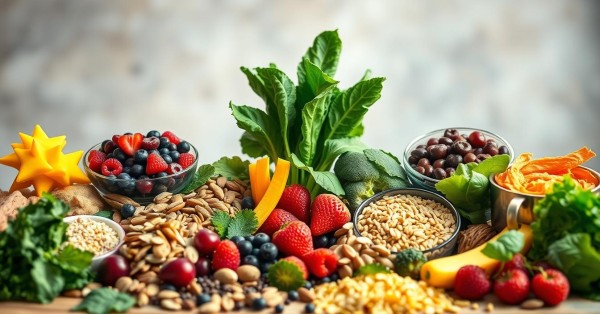
Eating a diet rich in vitamins and minerals is crucial for a strong immune system. According to Julia Zumpano, RD, LD, "eating a healthy diet full of vitamins and minerals that support your immune system can boost your immunity." Incorporating the right foods into your daily meals can make a significant difference.
Certain superfoods are known to naturally enhance immune function. In India, incorporating these foods into your diet can be particularly beneficial. By focusing on the best superfoods, individuals can take a proactive approach to their health.
Key Takeaways
- Incorporating superfoods into your diet can boost immunity.
- Certain foods are rich in vitamins and minerals that support immune function.
- A healthy diet is crucial for a strong immune system.
- Doctor-recommended superfoods can enhance overall health.
- Nutritional benefits can be maximized by eating the right foods.
The Science Behind Immune Health and Nutrition
Nutrition plays a pivotal role in supporting immune function, acting as the body's first line of defense. The immune system is a complex network of cells, tissues, and organs that work together to protect the body from harmful pathogens.
How Your Immune System Protects You
The immune system defends the body against external threats, including bacteria, viruses, and other pathogens. It identifies and neutralizes these threats through a multi-layered defense mechanism, involving physical barriers like the skin, as well as cellular and molecular responses.
The Critical Role of Nutrition in Immune Function
Nutrition is fundamental to immune function, providing the necessary building blocks for immune cells and supporting the body's defense mechanisms. Nutrient-dense foods, rich in vitamins, minerals, and antioxidants, are crucial for maintaining optimal immune health. For instance, vitamin C in citrus fruits and iron in lentils are known to boost immune function.
Indian superfoods, such as turmeric and amla, are particularly noteworthy for their immune-boosting properties. Turmeric contains curcumin, a compound with potent anti-inflammatory and antioxidant effects, while amla is rich in vitamin C, enhancing the body's ability to fight infections.
Why Natural Foods Outperform Supplements
While supplements can provide essential nutrients, natural foods offer a complex matrix of nutrients and bioactive compounds that work synergistically to support immune health. Natural foods also contain fiber, which is often lacking in supplements and is crucial for gut health, a key component of immune function.
Moreover, the bioavailability of nutrients from natural foods is often higher than from supplements. For example, the vitamin C in amla is more readily absorbed by the body than synthetic vitamin C supplements. This makes Indian superfoods and other nutrient-dense foods invaluable for deriving superfood benefits.
What Makes a Food "Super" for Immune Support
Certain foods have been recognized for their extraordinary ability to support and enhance immune function. These foods, often termed "superfoods," are packed with nutrients that play a critical role in maintaining a healthy immune system.
Essential Nutrients That Power Immunity
A key factor that makes a food "super" is its richness in essential nutrients. These include vitamins, minerals, and phytonutrients that are vital for immune function.
Vitamins and Minerals That Matter Most
Vitamins such as C and D, and minerals like zinc and selenium, are crucial for immune health. They help in the production and function of immune cells.
Phytonutrients and Their Protective Effects
Phytonutrients, found in high quantities in berries and other fruits, offer protective effects against infections. Berries, for instance, contain a high nutritional content of vitamins, minerals, and phenolic compounds, making them an excellent choice for immune support.

The Inflammation-Immunity Connection
Chronic inflammation can weaken the immune system. Foods that help reduce inflammation, such as those rich in omega-3 fatty acids, are considered "super" for immune support.
Bioavailability: Why It Matters
The bioavailability of nutrients in a food determines how effectively the body can absorb and utilize them. Foods with high bioavailability are more effective at supporting immune health.
| Nutrient | Food Source | Immune Benefit |
|---|---|---|
| Vitamin C | Amla, Citrus Fruits | Boosts immune cell production |
| Zinc | Nuts, Seeds | Supports immune cell function |
| Phytonutrients | Berries, Leafy Greens | Offers antioxidant protection |
By understanding what makes a food "super" for immune support, individuals can make informed choices about their diet and enhance their immune health.
Superfoods India: Traditional Wisdom Meets Modern Research
Indian cuisine is a treasure trove of immune-boosting superfoods, backed by both ancient traditions and contemporary science. The ancient Indian system of medicine, Ayurveda, has long emphasized the role of diet in maintaining immune health.
Ayurvedic Immune-Boosting Principles
Ayurveda focuses on the concept of "Rasayana," which refers to foods and herbs that promote overall health and longevity. Key principles include consuming a diet rich in antioxidants, using herbs and spices like turmeric and ginger for their medicinal properties, and incorporating foods that enhance digestion and metabolism.
Scientific Validation of Ancient Indian Superfoods
Modern research has validated many of Ayurveda's claims. For instance, turmeric is touted for its ability to boost the immune system and act as an antiviral. Studies have shown that curcumin, a compound in turmeric, has potent anti-inflammatory and antioxidant properties. Similarly, other Indian superfoods like amla (Indian gooseberry) and tulsi (holy basil) have been scientifically proven to have significant health benefits.
Accessibility and Affordability of Local Options
One of the significant advantages of Indian superfoods is their accessibility and affordability. Many of these superfoods are locally available and can be incorporated into daily meals. For example, adding turmeric to your daily cooking or consuming amla juice can be simple and cost-effective ways to boost immunity. For those looking to explore beyond traditional recipes, there are numerous superfood recipes available that can make incorporating these foods into your diet both fun and delicious.
For individuals interested in purchasing these superfoods, there are various options available across India, from local markets to online stores. Understanding where to buy superfoods in India can help in making informed choices about incorporating these foods into your diet.
Turmeric: The Golden Immunity Booster
The golden spice, turmeric, is celebrated not only for its culinary uses but also for its significant health benefits. For centuries, turmeric has been a staple in traditional Indian medicine, valued for its potent immunity-boosting properties.
Nutritional Profile and Immune Benefits
Turmeric contains a powerful compound called curcumin, which is known for its anti-inflammatory and antioxidant properties. Curcumin helps lessen inflammation and fights free radicals, thereby supporting the immune system. Turmeric is also rich in vitamins and minerals that contribute to overall health and well-being.
Clinical Research and Doctor Recommendations
Numerous studies have validated the immune-boosting effects of turmeric. Clinical research has shown that curcumin can enhance immune function by promoting the production of antibodies and activating immune cells. Doctors often recommend turmeric as a natural supplement to support immune health, particularly during flu seasons.
Best Ways to Consume for Maximum Absorption
To maximize the benefits of turmeric, it's essential to consume it in a way that enhances curcumin absorption. Combining turmeric with black pepper can significantly increase the bioavailability of curcumin. Additionally, consuming turmeric with a fatty meal can aid in the absorption of its fat-soluble compounds.
Golden Milk Recipe for Daily Immunity
A popular way to consume turmeric is in the form of golden milk, a traditional Indian drink made with turmeric, milk, and spices. To make golden milk, combine 1 teaspoon of turmeric powder with a cup of milk (dairy or plant-based), a pinch of black pepper, and a sweetener like honey. This comforting drink not only boosts immunity but also promotes relaxation and overall well-being.
Amla (Indian Gooseberry): Nature's Vitamin C Powerhouse
Amla, or Indian Gooseberry, is renowned for its high vitamin C content, making it a potent immunity booster. This nutrient-dense fruit has been a cornerstone in Ayurvedic medicine for centuries, valued for its numerous health benefits.
Nutritional Profile and Immune Benefits
Amla is rich in vitamin C, antioxidants, and other essential nutrients that help protect the body against infections. Its high vitamin C content is thought to help fight infection and support immune function. The antioxidants in Amla also play a crucial role in reducing oxidative stress, which can further enhance immune health.
Clinical Research and Doctor Recommendations
Clinical research has validated the immune-boosting properties of Amla. Studies have shown that Amla extracts can enhance immune function by increasing the production of white blood cells. Doctors often recommend Amla as a natural supplement to support immune health, particularly during flu seasons.
Best Ways to Incorporate Amla Into Your Diet
Amla can be consumed in various forms, including fresh, dried, and as supplements. The choice of form depends on personal preference and availability.
Fresh vs. Dried vs. Supplement Forms
Fresh Amla is rich in vitamin C but has a short shelf life. Dried Amla, or Amla powder, offers a longer shelf life and is convenient to use. Amla supplements, available in capsules or tablets, provide a concentrated dose of the fruit's nutrients. Each form has its benefits, and the choice should be based on individual needs and preferences.
Incorporating Amla into your diet can be simple. You can add fresh Amla to salads, use dried Amla powder in smoothies, or take Amla supplements as directed. By making Amla a part of your daily routine, you can harness its immune-boosting properties and support overall health.
Moringa: The Miracle Tree Leaves
Moringa leaves, packed with vitamins and minerals, are being recognized for their potential to enhance immune function. This nutrient-rich superfood has been a part of traditional medicine for centuries, and its benefits are now being validated by modern research.
Nutritional Profile and Immune Benefits
Moringa is rich in vitamins A, C, and E, as well as minerals like calcium and iron. These nutrients play a crucial role in maintaining a healthy immune system. The high antioxidant content in moringa helps protect the body from oxidative stress, thereby supporting immune function.
Clinical Research and Doctor Recommendations
Studies have shown that moringa possesses anti-inflammatory properties that can help boost immunity. Doctors often recommend moringa for its nutritional benefits, and it is increasingly being used as a supplement to support immune health.
Practical Ways to Use Moringa Daily
Incorporating moringa into your daily diet can be simple. One popular method is using moringa powder.
Moringa Powder Applications
- Add moringa powder to your morning smoothie for a nutritional boost.
- Mix it into soups or stews for added flavor and nutrition.
- Use it as a supplement by mixing with water or juice.
For those looking to buy moringa or other superfoods, India offers a variety of local markets and online stores. Opting for organic sources can enhance the nutritional benefits. When searching for where to buy superfoods in India, consider suppliers that provide high-quality, organic products.
Giloy: The Ayurvedic Immune Enhancer
Giloy, known for its immune-enhancing properties, is a significant herb in Ayurvedic medicine. It has been used for centuries to boost immunity and promote overall health. The herb is rich in antioxidants and has anti-inflammatory properties, making it an effective ingredient in traditional Indian remedies.
Nutritional Profile and Immune Benefits
Giloy is rich in essential nutrients, including alkaloids, glycosides, and steroids, which contribute to its immune-boosting properties. The herb is known to enhance the body's natural defense mechanisms, helping to fight off infections and diseases. Its antioxidant properties also help in reducing oxidative stress, promoting overall well-being.
Clinical Research and Doctor Recommendations
Clinical studies have validated Giloy's immune-enhancing effects, showing its potential in reducing symptoms of various health conditions. Doctors often recommend Giloy for its natural immune-boosting properties, especially during seasonal changes or when the immune system is compromised.
Safe Consumption Guidelines and Preparations
Giloy can be consumed in various forms, including juice, capsules, and powder. The choice of preparation depends on personal preference and health goals.
Giloy Juice vs. Capsules vs. Powder
Giloy juice is a popular choice for those looking for a quick and effective way to boost immunity. Capsules offer a convenient alternative, while Giloy powder can be easily incorporated into daily meals. It's essential to follow the recommended dosage and consult with a healthcare professional before starting any new supplement.
By incorporating Giloy into your daily routine, you can harness its immune-enhancing properties and promote overall health and well-being.
Ashwagandha: Stress-Fighting Immune Support
In the realm of natural health, ashwagandha stands out as a powerful adaptogen that bolsters immune resilience. Ashwagandha is known for its stress-fighting properties and immune support. This herb has been a cornerstone in Ayurvedic medicine for centuries, valued for its ability to enhance overall well-being.
Nutritional Profile and Immune Benefits
Ashwagandha is rich in antioxidants and contains compounds that have been shown to possess anti-inflammatory properties. Its nutritional profile includes vital elements such as iron, calcium, and vitamins that contribute to its immune-boosting effects. The herb is believed to help modulate the immune system, making it more resilient to infections.
A study published in the Journal of Alternative and Complementary Medicine found that ashwagandha supplementation significantly improved immune function in individuals with chronic stress.
Clinical Research and Doctor Recommendations
Clinical research has substantiated ashwagandha's efficacy in reducing stress and anxiety, which in turn supports immune health. Doctors often recommend ashwagandha for patients dealing with chronic stress, as it is considered safe and effective.
"Ashwagandha has been shown to reduce cortisol levels, improve sleep quality, and enhance overall well-being, making it a valuable supplement for immune support." - Dr. Smith, Integrative Medicine Specialist
Optimal Dosage and Consumption Methods
The optimal dosage of ashwagandha can vary depending on individual needs, but typically ranges from 300 to 500 mg per day. It can be consumed in various forms, including capsules, powders, and teas.
| Form | Dosage | Benefits |
|---|---|---|
| Capsules | 300-500 mg/day | Convenient and easy to incorporate into daily routine |
| Powders | 1-2 teaspoons/day | Versatile; can be added to smoothies or drinks |
| Teas | 1 cup/day | Relaxing and soothing; promotes better sleep |
Who Should Avoid Ashwagandha
While ashwagandha is generally considered safe, certain individuals should exercise caution. Pregnant or breastfeeding women, people with autoimmune diseases, and those taking specific medications should consult their healthcare provider before using ashwagandha.
Tulsi (Holy Basil): The Sacred Immunity Protector
In the realm of natural remedies, Tulsi or Holy Basil stands out as a potent immunity enhancer, backed by traditional wisdom and modern research. This sacred herb has been a cornerstone in Ayurvedic medicine for centuries, revered not only for its spiritual significance but also for its remarkable ability to boost immunity naturally.
Nutritional Profile and Immune Benefits
Tulsi is rich in vitamins A and C, calcium, zinc, and iron, making it a nutritional powerhouse that supports immune health. Its immune-boosting properties are attributed to its ability to reduce stress and inflammation, factors that are crucial in maintaining a healthy immune system. Tulsi's adaptogenic properties help the body adapt to stress, thereby enhancing its natural defense mechanisms.
Clinical Research and Doctor Recommendations
Clinical studies have validated Tulsi's efficacy in enhancing immune function. Doctors often recommend Tulsi for its anti-inflammatory and antioxidant properties, which play a significant role in protecting against infections. "Tulsi is a versatile herb that not only boosts immunity but also contributes to overall well-being," says a leading Ayurvedic practitioner.
Daily Consumption Methods for Maximum Benefit
Incorporating Tulsi into your daily routine can be simple and beneficial. One of the most popular methods is consuming Tulsi tea.
Tulsi Tea Preparation Guide
- Add a handful of fresh Tulsi leaves to boiling water.
- Let it steep for 5-7 minutes.
- Strain and enjoy warm, optionally adding honey or lemon to taste.
Regular consumption of Tulsi tea can help in maintaining a robust immune system. As with any herbal remedy, it's advisable to consult with a healthcare professional before making it a part of your daily regimen, especially if you have any underlying health conditions.
"Tulsi is revered for its immune-boosting properties and is used in various traditional remedies," a testament to its enduring significance in natural health practices.
Probiotics and Fermented Foods: The Gut-Immunity Connection
A healthy gut microbiome is essential for a robust immune system, and certain foods can significantly influence this balance. The connection between gut health and immune function is intricate, with probiotics and fermented foods playing a crucial role.
How Gut Health Influences Immune Function
The gut microbiome is home to trillions of microorganisms that play a vital role in immune system regulation. Probiotics, found in fermented foods, can stimulate the immune system to help fight disease, as supported by research.
"Probiotics can stimulate the immune system to help fight disease."
Traditional Indian Fermented Superfoods
Indian cuisine is rich in fermented foods that are not only delicious but also packed with probiotics. These foods have been a part of traditional diets for centuries.
Kanji, Idli, Dosa, and Other Fermented Staples
Foods like kanji, idli, and dosa are staples in many Indian households. They are made using fermentation processes that enhance their nutritional value and probiotic content.
Doctor-Recommended Probiotic Sources in India
Doctors often recommend including probiotic-rich foods in the diet to support gut health and immunity. In India, common probiotic sources include yogurt and other fermented foods.
By incorporating these nutrient-dense foods into daily meals, individuals can support their immune health and overall well-being.
Sourcing Quality Superfoods in India
Sourcing the best superfoods in India involves considering several factors to ensure you get the most nutritional benefits. With the increasing popularity of superfoods, the market has seen a surge in suppliers, making it crucial to know what to look for.
Organic vs. Conventional: What to Prioritize
When it comes to superfoods, the debate between organic and conventional options is significant. Choosing organic options can reduce exposure to pesticides and other chemicals, potentially enhancing the nutritional value of the superfoods. According to various studies, organic produce tends to have higher antioxidant levels and lower pesticide residues.
Key benefits of organic superfoods include:
- Lower exposure to pesticides and chemicals
- Potential for higher nutritional value
- Environmentally friendly farming practices
Trusted Suppliers and Markets
Identifying trusted suppliers and markets is crucial for sourcing quality superfoods. Local farmers' markets and reputable online stores are good places to start. Look for suppliers who provide transparent information about their farming practices and product origins.
Seasonal Availability Guide
Understanding the seasonal availability of superfoods can help in planning your diet and ensuring freshness. Many superfoods are seasonal, and their availability can vary significantly throughout the year.
| Superfood | Peak Season |
|---|---|
| Amla | October to December |
| Turmeric | November to February |
| Giloy | Available year-round, but best during monsoon |
Price Considerations and Budget Options
While quality is paramount, price is also a significant consideration for many consumers. Buying in bulk, opting for local and seasonal produce, and exploring different suppliers can help make superfoods more affordable.
Budget-friendly tips:
- Purchase in bulk to reduce cost per unit
- Opt for seasonal produce to get the best prices
- Explore local markets for competitive pricing
Creating Your Immunity-Boosting Meal Plan
Crafting an immunity-boosting meal plan involves incorporating nutrient-dense Indian superfoods into your daily diet. This approach not only enhances your immune system but also promotes overall health.
Daily Incorporation Strategies
To effectively boost your immunity, it's crucial to include a variety of superfoods in your daily meals. Start by adding turmeric to your breakfast or moringa to your smoothies. You can also incorporate amla or giloy into your diet through juices or teas.
For lunch and dinner, consider adding ashwagandha powder to your soups or curries. Tulsi, or holy basil, can be consumed as a tea or added to your meals for its immune-boosting properties.
Seasonal Adjustments for Maximum Benefits
Adjusting your diet according to the seasons can maximize the benefits of superfoods. For instance, during the monsoon, giloy and tulsi can help boost immunity against seasonal infections.
In the winter, incorporating amla and turmeric can help keep you warm and protect against respiratory infections.
Doctor-Approved Recipes Combining Multiple Superfoods
Combining multiple superfoods can enhance their immune-boosting effects. Here are some doctor-approved recipes:
Immunity-Boosting Breakfast Ideas
- Amla and turmeric smoothie bowl
- Moringa and banana pancakes
- Giloy and tulsi tea with honey
Power-Packed Lunch and Dinner Options
- Turmeric and ashwagandha-infused lentil soup
- Moringa and vegetable stir-fry
- Amla and ginger chutney with meals
Superfood Snacks and Beverages
- Tulsi and lemon herbal tea
- Giloy juice with a splash of amla juice
- Ashwagandha and almond energy balls
Conclusion: Building Resilient Immunity Through Superfoods
Incorporating superfoods into your diet is a powerful way to boost your immune health. As discussed, various Indian superfoods like turmeric, amla, and tulsi offer numerous benefits that can enhance your body's natural defenses. These superfoods india has to offer are not only rich in essential nutrients but also backed by scientific research and traditional wisdom.
A healthy diet improves your immunity to illness, and by making informed choices, you can significantly impact your overall well-being. The superfood benefits extend beyond just immune support, contributing to a balanced and healthy lifestyle. By understanding the role of nutrition in immune function, you can take proactive steps towards a healthier you.
To build resilient immunity, it's essential to combine these superfoods into your daily meal plan. With the guidance provided on sourcing quality superfoods and creating an immunity-boosting diet, you're well-equipped to make a positive change. Start your journey towards enhanced immune health today by embracing the power of superfoods india has to offer.