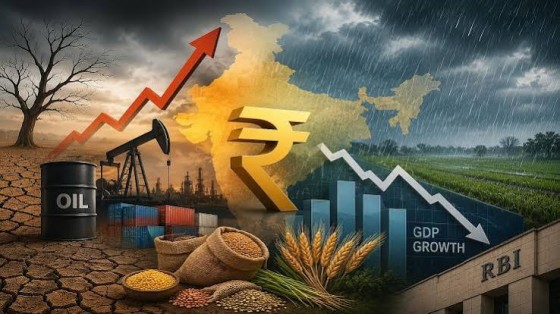
RBI Monitors Currency Stability as Global Oil Prices Remain Elevated
The Reserve Bank of India (RBI) is closely monitoring currency stability as elevated global crude oil prices continue to influence inflation expectations, foreign exchange markets and India's external sector. Higher energy costs remain one of the most significant external risks for the Indian economy, given the country's dependence on imported crude oil.
The central bank continues to assess the impact of oil price movements on the Indian rupee, inflation, liquidity and overall macroeconomic stability while maintaining its focus on orderly market conditions.
Elevated Oil Prices Increase Pressure on the Rupee

India imports a substantial portion of its crude oil requirements, making global energy prices a key determinant of currency movements.
Higher oil prices can lead to:
-
Increased import bills
-
Higher demand for US dollars
-
Pressure on the Indian rupee
-
Wider current account deficit
-
Imported inflation
-
Increased corporate costs
-
Higher transportation expenses
-
Greater market volatility
A sustained rise in crude prices generally increases demand for foreign currency as oil importers settle international payments.
RBI Focuses on Orderly Currency Movements
The RBI continues to monitor developments in the foreign exchange market to maintain orderly market functioning.
Key priorities include:
-
Currency stability
-
Liquidity management
-
Monitoring capital flows
-
Containing excessive volatility
-
Preserving financial stability
-
Maintaining market confidence
-
Supporting orderly price discovery
-
Managing external risks
The central bank seeks to minimise disruptive fluctuations without targeting a fixed exchange rate.
Inflation Risks Remain Elevated
Crude oil prices have a broad impact on inflation across the economy.
Higher energy costs may affect:
-
Fuel prices
-
Transportation expenses
-
Manufacturing costs
-
Logistics charges
-
Food distribution
-
Retail inflation
-
Industrial production costs
-
Consumer purchasing power
Persistent oil price increases can create upward pressure on both wholesale and consumer prices.
Foreign Exchange Reserves Provide a Buffer
India's foreign exchange reserves continue to play an important role in supporting external stability.
The reserves help:
-
Strengthen investor confidence
-
Support external payment obligations
-
Reduce currency volatility
-
Enhance market liquidity
-
Improve crisis preparedness
-
Facilitate orderly market intervention
-
Maintain external-sector resilience
-
Support financial stability
Adequate reserves provide flexibility in responding to periods of heightened market stress.
Oil Prices Influence Monetary Policy
Global energy prices remain an important consideration for monetary policy decisions.
The RBI evaluates:
-
Inflation trends
-
Crude oil movements
-
Exchange-rate stability
-
Domestic demand
-
Global economic conditions
-
Food inflation
-
Financial market developments
-
Liquidity conditions
Balancing inflation control with economic growth remains a central objective.
Businesses Face Higher Input Costs
Elevated oil prices affect multiple industries across the economy.
Sectors most exposed include:
-
Aviation
-
Logistics
-
Transportation
-
Chemicals
-
Manufacturing
-
Cement
-
FMCG
-
Infrastructure
Companies may experience increased operating expenses and margin pressure if elevated energy prices persist.
Financial Markets Monitor Energy Trends
Investors continue to assess the relationship between oil prices and India's financial markets.
Key market indicators include:
-
Rupee exchange rate
-
Government bond yields
-
Equity market performance
-
Inflation expectations
-
Foreign portfolio flows
-
Commodity prices
-
Corporate earnings
-
Global risk sentiment
Energy markets remain a significant driver of investor confidence.
External Sector Remains a Key Focus
Higher crude oil prices can influence India's broader external position.
Important indicators include:
-
Current account deficit
-
Merchandise imports
-
Trade balance
-
Capital inflows
-
Foreign exchange reserves
-
External debt servicing
-
Export performance
-
Currency stability
Maintaining a healthy external balance remains important for long-term macroeconomic stability.
Risks to Monitor
Several risks continue to influence the outlook.
These include:
-
Prolonged elevated crude oil prices
-
Geopolitical tensions
-
Supply chain disruptions
-
Currency volatility
-
Imported inflation
-
Global economic slowdown
-
Commodity price fluctuations
-
Capital flow volatility
-
Domestic inflation pressures
-
Financial market uncertainty
These developments could influence both monetary policy and financial market performance.
What Investors Should Watch
Investors should monitor:
-
Global crude oil prices
-
RBI policy announcements
-
Rupee movements
-
Inflation data
-
Foreign exchange reserves
-
Government bond yields
-
Capital flows
-
Trade deficit
-
Global geopolitical developments
-
Corporate earnings
These indicators will provide insights into India's macroeconomic outlook and financial market direction.
Outlook
The RBI is expected to remain vigilant as elevated oil prices continue to present risks to inflation and external stability. While India's strong macroeconomic fundamentals and sizeable foreign exchange reserves provide important buffers, sustained increases in crude prices could continue to influence currency movements, inflation and policy decisions.
The central bank is likely to maintain a balanced approach that supports financial stability while responding to changing domestic and global economic conditions.
Conclusion
The RBI's continued monitoring of currency stability reflects the importance of global energy markets in shaping India's economic outlook. Elevated crude oil prices can affect inflation, the exchange rate and the external sector, making prudent monetary and financial management essential.
Although risks remain, India's strong policy framework, resilient banking system and adequate foreign exchange reserves position the economy to manage external shocks while supporting long-term growth and macroeconomic stability.