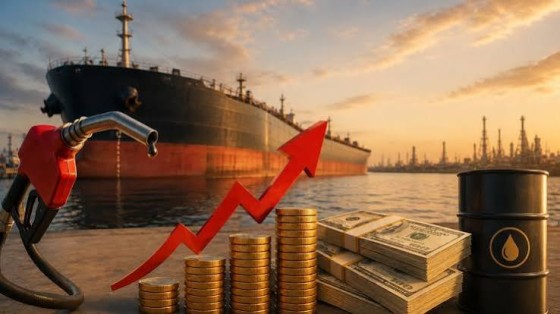
Economists Say India's FX Buffer Remains Strong Despite Oil Price Risks
Economists believe India's sizeable foreign exchange (FX) reserves continue to provide a strong buffer against external shocks despite renewed concerns over rising global crude oil prices. While higher energy prices could increase the country's import bill and place pressure on the current account balance, analysts say India's robust reserve position, resilient capital inflows and stable macroeconomic fundamentals continue to support overall external stability.
As one of the world's largest crude oil importers, India remains sensitive to sustained increases in international energy prices. However, economists suggest that the country's strengthened external position provides policymakers with greater flexibility to manage periods of global market volatility.
Strong Forex Reserves Support External Stability

India's foreign exchange reserves remain one of the country's most important financial safeguards.
A healthy reserve position helps:
-
Support the rupee
-
Finance imports
-
Absorb external shocks
-
Improve investor confidence
-
Maintain financial stability
-
Manage currency volatility
-
Strengthen external resilience
-
Enhance sovereign credibility
Adequate reserves provide the Reserve Bank of India (RBI) with greater flexibility in responding to changing global financial conditions.
Oil Prices Continue to Influence the Economy
Global crude oil prices remain a key variable for India's macroeconomic outlook.
Higher energy prices may affect:
-
Import costs
-
Inflation
-
Current account deficit
-
Corporate profitability
-
Consumer spending
-
Fiscal management
-
Energy costs
-
Trade balance
The overall impact depends on both the duration and magnitude of oil price movements.
RBI Maintains Focus on Currency Stability
The RBI continues to monitor developments in global currency and commodity markets while managing overall financial stability.
Key priorities include:
-
Exchange-rate stability
-
Inflation management
-
Foreign exchange liquidity
-
External sector resilience
-
Capital flow management
-
Banking system stability
-
Financial market confidence
-
Monetary policy effectiveness
Stable macroeconomic conditions help reinforce investor confidence.
Capital Inflows Strengthen the External Position
Continued foreign investment provides additional support to India's balance of payments.
Positive contributors include:
-
Foreign portfolio investment
-
Foreign direct investment
-
External commercial borrowing
-
Banking sector inflows
-
Corporate investment
-
Infrastructure funding
-
Equity market participation
-
Long-term capital allocation
Healthy capital inflows help offset pressures arising from higher import costs.
Rupee Stability Remains Important
The performance of the Indian rupee remains closely linked to developments in the external sector.
A relatively stable currency supports:
-
Predictable import costs
-
Corporate planning
-
Inflation control
-
Foreign investment
-
Trade competitiveness
-
Debt servicing
-
Business confidence
-
Financial stability
Currency stability remains an important objective during periods of global uncertainty.
Financial Markets Monitor Global Energy Trends
Investors continue assessing the broader implications of higher crude oil prices.
Areas of focus include:
-
Bond yields
-
Equity market performance
-
Inflation expectations
-
Interest-rate outlook
-
Foreign investment flows
-
Commodity markets
-
Currency movements
-
Corporate earnings
Energy price movements remain an important driver of overall market sentiment.
Domestic Growth Provides Resilience
India's economy continues to benefit from strong structural growth drivers.
Key strengths include:
-
Domestic consumption
-
Infrastructure investment
-
Manufacturing expansion
-
Services sector growth
-
Digital economy
-
Urbanisation
-
Financial sector development
-
Public capital expenditure
These factors help improve the economy's ability to absorb external shocks.
Current Account Trends Remain Under Watch
Economists continue monitoring the current account as global energy prices fluctuate.
Important indicators include:
-
Import growth
-
Export performance
-
Services exports
-
Energy imports
-
Trade balance
-
Capital inflows
-
Currency trends
-
External financing
A balanced external account remains important for long-term macroeconomic stability.
Policy Framework Supports Confidence
India's macroeconomic policy framework continues to support investor confidence.
Key strengths include:
-
Prudent monetary policy
-
Fiscal discipline
-
Financial sector reforms
-
Regulatory stability
-
Infrastructure investment
-
Capital market development
-
Digital financial systems
-
Economic reforms
These structural factors continue strengthening India's investment profile.
Risks to Monitor
Investors and policymakers should continue monitoring:
-
Global crude oil prices
-
Inflation
-
Current account deficit
-
Rupee movements
-
Foreign capital flows
-
RBI policy
-
Geopolitical developments
-
Global interest rates
-
Commodity prices
-
External demand
These variables will shape India's external sector outlook over the coming months.
What Investors Should Watch
Key indicators include:
-
Foreign exchange reserve levels
-
Crude oil prices
-
Rupee performance
-
Inflation data
-
RBI policy announcements
-
Foreign investment flows
-
Current account balance
-
Government bond yields
-
Global energy markets
-
Economic growth indicators
These metrics will help assess the resilience of India's external position.
Outlook
Economists expect India's foreign exchange reserves to continue providing a strong cushion against external risks, even if global crude oil prices remain elevated.
While higher energy costs could create temporary pressure on inflation and the external account, strong capital inflows, stable macroeconomic policies and resilient domestic demand are expected to support overall economic stability.
Maintaining adequate reserves, prudent monetary policy and continued structural reforms will remain central to India's long-term external resilience.
Conclusion
India's substantial foreign exchange reserves continue to provide an important line of defence against external shocks despite the risks posed by rising global oil prices.
Supported by healthy capital inflows, prudent macroeconomic management and strong domestic economic fundamentals, the country remains well positioned to manage periods of international market volatility.
Investors will continue monitoring oil prices, reserve levels, currency movements and RBI policy as key indicators of India's external sector strength and overall economic resilience.