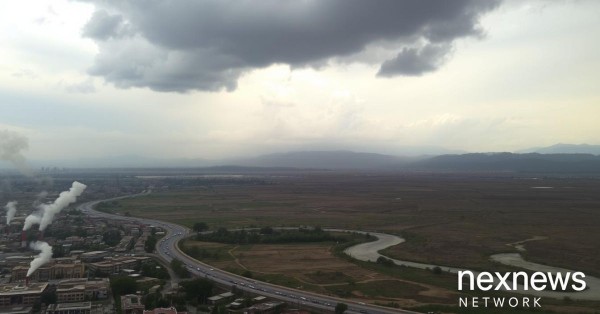
India's growing economy and population are facing significant threats from global warming. As the country continues to develop, it is crucial to address the far-reaching consequences of environmental degradation on public health and the economy.
The government has articulated its climate policy through various documents and frameworks, with the National Action Plan on Climate Change (NAPCC) serving as the foundation.
This comprehensive framework guides India's efforts to mitigate the effects of global warming and adapt to its impacts.
Key Takeaways
- India's climate policy is guided by the National Action Plan on Climate Change (NAPCC).
- Global warming poses significant threats to India's economy and public health.
- The government is taking steps to mitigate the effects of environmental degradation.
- Climate change has far-reaching consequences for India's development.
- Effective climate action requires a multi-faceted approach.
The Current State of Climate Change in India
The current state of climate change in India is a growing concern. Rising temperatures, changing rainfall patterns, and sea-level rise are some of the key indicators of the environmental impact India is experiencing.
Key Climate Indicators and Trends
India's climate is characterized by rising temperatures, with an average increase of 0.7°C over the past century. This warming trend is exacerbating extreme weather events, making it essential to monitor temperature and rainfall patterns closely.
Temperature and Rainfall Patterns
The changing climate has led to more frequent and intense extreme weather events in India. Unpredictable rainfall patterns are affecting agriculture, water resources, and overall ecosystem balance.
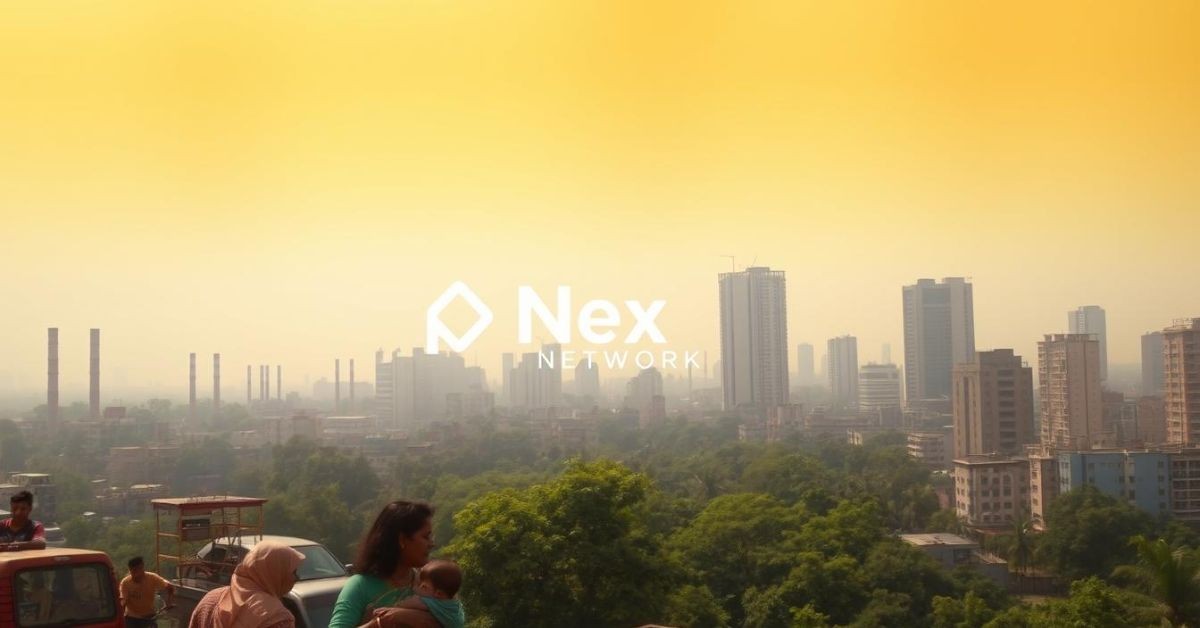
Sea-level rise is another significant concern, with the Indian coastline being vulnerable to erosion and flooding. The coastal regions are at risk due to the combined effects of sea-level rise and increased storm intensity.
Understanding these climate indicators and trends is crucial for developing effective strategies to mitigate the impacts of climate change in India. By focusing on greenhouse gas emissions reduction and adapting to the changing climate, India can work towards a more sustainable future.
Understanding Climate Change Projections for India by 2025
As India approaches 2025, understanding climate change projections becomes crucial for developing effective climate action plans. The country's diverse geography and climate make it vulnerable to various impacts of global warming. Accurate projections are essential for policymakers to devise strategies to mitigate these effects.

Temperature Rise Scenarios
Climate models project that India will experience significant warming by 2025, with average temperature increases ranging from 1°C to 2°C above the baseline. This warming trend is not uniform and varies across different regions. Understanding these variations is key to developing targeted climate interventions.
Regional Variations in Warming
Regional variations in warming are influenced by factors such as latitude, altitude, and land use patterns. For instance:
- The Himalayan region is expected to experience more pronounced warming than the plains.
- Coastal areas may see different temperature trends compared to inland regions.
- Urban areas, due to the urban heat island effect, may warm faster than rural areas.
Seasonal Temperature Shifts
Seasonal temperature shifts are also a critical aspect of climate change projections for India. Changes in seasonal temperatures can have significant impacts on agriculture, water resources, and public health. For example:
- Warmer winters can affect crop yields and pest dynamics.
- Hotter summers can increase the risk of heat-related illnesses.
- Changes in monsoon patterns can impact water availability and flood risk.
By understanding these climate change projections, India can better prepare for the challenges ahead and develop effective strategies to mitigate the impacts of global warming. This includes enhancing the climate action plan india to address the projected temperature rise and its regional variations.
Vulnerable Regions and Climate Change Hotspots in India
India is experiencing the impacts of climate change differently across its regions, with some being hotspots of vulnerability. The country's diverse geography, ranging from the Himalayas to coastal regions, makes it highly susceptible to various climate-related hazards.
Coastal Areas at Risk
Coastal regions in India are particularly vulnerable to the impacts of climate change, including sea-level rise, increased flooding, and cyclones. These areas are not only densely populated but also crucial for the country's economy.
Mumbai and Kerala Vulnerability
Mumbai, being one of India's major cities, is at significant risk due to its low-lying coastal areas. Kerala, on the other hand, has experienced severe flooding in recent years, highlighting its vulnerability to extreme weather events. Climate resilience measures are essential for these regions to mitigate the impacts of climate change.
The Sundarbans, a unique and biodiverse ecosystem, is under threat from sea-level rise and increased flooding. This region is not only crucial for the environment but also supports the livelihoods of millions. Protecting this ecosystem is vital for both environmental sustainability and the communities that depend on it.
Efforts to enhance climate resilience in India must include measures to protect vulnerable regions like the Sundarbans. This involves a combination of sustainable development practices and adaptive measures to address the impacts of climate change.
Impact on Water Resources and Management
As climate change intensifies, India's water resources are becoming increasingly vulnerable, necessitating robust management strategies. The country's diverse hydrological landscape, ranging from the Himalayan glaciers to the vast river basins, is facing unprecedented challenges.
River Systems and Groundwater Depletion
India's river systems, including the Ganges and Brahmaputra, are crucial for its water resources. However, climate change is altering the flow patterns of these rivers, affecting both the quantity and quality of water available.
Ganges-Brahmaputra Basin Changes
The Ganges-Brahmaputra basin is particularly vulnerable to climate change. Changes in precipitation patterns and increased melting of glaciers are altering the river's flow, impacting the livelihoods of millions who depend on these water resources.
"The Ganges River is not just a water body; it's a lifeline for millions of people. Any changes in its flow due to climate change will have far-reaching consequences," said a leading hydrologist.
Groundwater Sustainability Challenges
Groundwater depletion is another significant challenge. Over-extraction of groundwater, coupled with reduced recharge due to changing precipitation patterns, is leading to a decline in groundwater levels.
| Region | Impact on Water Resources | Management Strategies |
|---|---|---|
| Ganges-Brahmaputra Basin | Changes in river flow, increased flooding | Improved water storage, flood management |
| North India | Groundwater depletion, reduced recharge | Regulated groundwater extraction, rainwater harvesting |
To address these challenges, India needs to adopt a multi-faceted approach to water management, including improving water storage, enhancing flood management, and promoting sustainable groundwater practices.
Agricultural Vulnerability and Food Security
As climate change intensifies, India's agricultural vulnerability is expected to increase, jeopardizing food security. The agricultural sector, a significant contributor to India's economy, is highly susceptible to climate-related stresses.
Crop Yield Projections to 2025
Climate change is projected to impact crop yields in India, with significant implications for food security. Rising temperatures and altered precipitation patterns will affect the productivity of various crops.
Staple Crop Impacts (Rice, Wheat, Pulses)
Staple crops such as rice, wheat, and pulses are crucial to India's food security. However, these crops are likely to be adversely affected by climate change. For instance, warmer temperatures can lead to reduced wheat yields, while changing rainfall patterns can impact rice cultivation.
Cash Crop Vulnerabilities
Cash crops, including cotton, sugarcane, and tea, are also vulnerable to climate change. Changes in temperature and precipitation can alter the suitability of certain regions for these crops, potentially leading to economic losses for farmers.
| Crop | Projected Impact | Potential Consequences |
|---|---|---|
| Rice | Yield reduction due to changing rainfall patterns | Food security concerns, price volatility |
| Wheat | Reduced yields due to warmer temperatures | Import dependency, economic losses |
| Pulses | Impact on productivity due to extreme weather events | Protein supply concerns, price increases |
Understanding these impacts is crucial for developing strategies to mitigate the effects of climate change on agriculture. By focusing on crop resilience and adaptive farming practices, India can work towards ensuring food security in the face of a changing climate.
Public Health Implications of Climate Change in India
India's public health sector is facing unprecedented challenges due to climate change, which is altering the dynamics of disease spread. Rising temperatures and changing precipitation patterns are creating ideal conditions for the proliferation of vectors such as mosquitoes, leading to an increase in vector-borne diseases.
Vector-Borne Disease Spread
The spread of vector-borne diseases is one of the most significant public health implications of climate change in India. Warmer temperatures and altered rainfall patterns are expanding the habitats of disease-carrying insects, thereby increasing the risk of disease transmission.
Malaria and Dengue Expansion
Malaria and dengue fever are two of the most prevalent vector-borne diseases in India, and their incidence is closely linked to climate variability. Climate change is exacerbating the conditions that favor the breeding of Anopheles mosquitoes, which transmit malaria, and Aedes mosquitoes, which transmit dengue.
New Disease Emergence Risks
Beyond the expansion of existing diseases, climate change also poses a risk of new disease emergence in India. As temperatures rise and ecosystems are disrupted, there is an increased potential for vectors to adapt to new environments, potentially leading to outbreaks of diseases not previously seen in certain regions.
The public health implications of climate change in India underscore the need for proactive measures to mitigate these risks. This includes enhancing surveillance systems for disease outbreaks, improving public health infrastructure, and promoting awareness campaigns to reduce the risk of vector-borne diseases.
Economic Consequences and Sectoral Impacts
Climate change is poised to have far-reaching economic implications for India, affecting various sectors and industries. The impact on the economy will be significant, with potential losses in agriculture, infrastructure, and human health.
GDP and Growth Projections to 2025
Projections indicate that climate change could alter India's GDP growth trajectory by 2025. Climate-related disruptions in key sectors such as agriculture and manufacturing may lead to substantial economic losses.
Climate-Related Economic Losses
The economic losses due to climate change are expected to be considerable. For instance, extreme weather events like floods and droughts can damage infrastructure and disrupt economic activities. Adaptation measures are crucial to mitigate these impacts.
Green Growth Opportunities
While climate change poses significant economic risks, it also presents opportunities for green growth and sustainable development. Investing in renewable energy and green infrastructure can create new economic opportunities and jobs.
India can leverage its commitment to the Paris Agreement and its Nationally Determined Contributions (NDCs) to drive green growth. By adopting sustainable practices and reducing greenhouse gas emissions, India can not only mitigate the economic impacts of climate change but also create a more resilient and sustainable economy.
Urban Climate Challenges and Smart City Solutions
The rapid urbanization in India has led to increased vulnerability to climate change, making smart city solutions crucial for sustainable development. Urban areas are particularly susceptible to the urban heat island effect, where built-up areas absorb and retain heat, leading to higher temperatures compared to rural areas.
Urban Heat Island Effect Mitigation
To combat the urban heat island effect, cities in India are adopting various mitigation strategies. Two key approaches include green infrastructure development and cool roof initiatives.
Green Infrastructure Development
Green infrastructure involves incorporating natural or semi-natural systems into urban planning to manage environmental challenges. This can include parks, green roofs, and urban forests that help to reduce the urban heat island effect by providing shade and cooling the air through evapotranspiration.
Cool Roof Initiatives
Cool roofs are designed to reflect more sunlight and absorb less heat than traditional roofs, thereby reducing the temperature in buildings and surrounding areas. Implementing cool roof technologies can significantly mitigate the urban heat island effect, improving the livability of urban environments.
By integrating these smart city solutions, Indian cities can not only reduce the impacts of climate change but also create more sustainable, livable environments for their residents. The adoption of green infrastructure and cool roof initiatives is a step towards achieving this goal.
As India continues to urbanize, the importance of implementing smart city solutions to address climate challenges will only grow. It is crucial for urban planners, policymakers, and residents to work together to develop and implement effective strategies that mitigate the urban heat island effect and enhance the resilience of cities to climate change.
Climate Change India: Government Policy Framework for 2025
India's approach to tackling climate change involves a multi-faceted policy framework. The government has been proactive in developing and implementing various initiatives aimed at mitigating the impacts of climate change.
National Action Plan on Climate Change Updates
The National Action Plan on Climate Change (NAPCC) serves as a cornerstone of India's climate policy. Launched with the goal of promoting sustainable development, the plan has undergone significant updates to address the evolving challenges posed by climate change.
Mission Revisions and New Targets
Several missions under the NAPCC have been revised to incorporate new targets and strategies. For instance, the National Solar Mission has been updated to accelerate the adoption of solar energy, with ambitious targets for solar power generation.
Implementation Progress Assessment
The implementation of NAPCC missions is regularly assessed to evaluate progress and identify areas for improvement. A recent assessment highlighted significant achievements in renewable energy deployment and energy efficiency improvements.
The progress made under the NAPCC is summarized in the following table:
| Mission | Original Target | Revised Target | Progress |
|---|---|---|---|
| National Solar Mission | 20 GW by 2022 | 100 GW by 2025 | 45 GW achieved by 2023 |
| Enhanced Energy Efficiency Mission | Energy savings of 10 million tons | Energy savings of 20 million tons | 15 million tons saved by 2023 |
The government's policy framework for addressing climate change is comprehensive and adaptive, with ongoing updates and assessments to ensure its effectiveness. As India continues to face the challenges of climate change, the role of robust and proactive policies will be crucial in promoting a sustainable and resilient future.
Renewable Energy Revolution in India
As part of its climate change mitigation strategy, India is vigorously promoting renewable energy, particularly solar power. The country is experiencing a significant shift towards cleaner energy sources, driven by both utility-scale projects and rooftop solar adoption.
Solar Power Expansion Goals
India has set ambitious targets for solar power expansion, aiming to significantly increase its solar energy capacity. This involves developing large-scale solar parks and encouraging the adoption of rooftop solar installations.
Utility-Scale Projects
Utility-scale solar projects are a crucial component of India's solar power expansion. These large-scale projects are being developed across various states, contributing substantially to the national grid.
Rooftop Solar Adoption
Rooftop solar installations are gaining popularity, enabling households and businesses to generate their own clean energy. This not only reduces dependence on the grid but also provides an opportunity for consumers to sell surplus energy back to the grid.
The progress in solar power is reflected in the growing numbers. Here's a snapshot of India's solar power expansion:
| Year | Solar Capacity (GW) | Growth Rate (%) |
|---|---|---|
| 2020 | 40 | 20 |
| 2022 | 60 | 25 |
| 2025 | 100 | 30 |
The renewable energy revolution in India is not just about meeting energy demands; it's also about creating a sustainable future. With continued government support and investment, India is poised to become a global leader in renewable energy.
Transportation Sector Transformation
The Indian government's push for electric vehicles is transforming the country's transportation landscape. As the nation grapples with the challenges of climate change, the adoption of electric vehicles (EVs) is seen as a critical step towards reducing carbon emissions.
Electric Vehicle Adoption Roadmap
India has set ambitious targets for EV adoption, aiming to significantly reduce its dependence on fossil fuels. The Faster Adoption and Manufacturing of Hybrid and Electric Vehicles (FAME) scheme has been instrumental in promoting the adoption of electric vehicles.
FAME II Policy Implementation
The FAME II policy has been designed to further incentivize the adoption of electric vehicles. As per the policy, incentives will be provided for the purchase of electric vehicles, with a focus on two-wheelers and public transportation.
"The FAME II scheme will play a crucial role in promoting the adoption of electric vehicles in India."
Charging Infrastructure Development
The development of charging infrastructure is critical to the widespread adoption of electric vehicles. The government has announced plans to set up charging stations across the country, with a focus on major highways and urban areas.
As India's transportation sector continues to evolve, the adoption of electric vehicles is expected to play a key role in reducing the country's carbon footprint. With the government's continued support and investment in charging infrastructure, the stage is set for a significant transformation in the transportation sector.
Forest Conservation and Biodiversity Protection Efforts
Forest conservation and biodiversity protection are becoming increasingly important in India's approach to tackling climate change. India's rich biodiversity and extensive forests play a crucial role in the global ecosystem, and their preservation is vital for maintaining ecological balance.
Afforestation and Reforestation Programs
The Indian government has launched several initiatives aimed at afforestation and reforestation. These programs are designed to restore degraded forests and expand forest cover, thereby enhancing carbon sequestration and protecting biodiversity.
Green India Mission Progress
The Green India Mission is a key component of India's forest conservation efforts. It focuses on restoring degraded forests, promoting sustainable forest management, and enhancing ecosystem services. Significant progress has been made under this mission, with a notable increase in forest cover and biodiversity.
Carbon Sequestration Potential
Afforestation and reforestation efforts have substantial carbon sequestration potential. By restoring forests, India can significantly enhance its carbon sinks, contributing to global efforts to mitigate climate change.
India's commitment to forest conservation and biodiversity protection is a critical aspect of its climate change mitigation strategy. Through initiatives like the Green India Mission, the country is not only enhancing its forest cover but also promoting sustainable development.
India's International Climate Commitments and Diplomacy
India is at the forefront of international climate negotiations, making substantial commitments to reduce its carbon footprint. The country's climate diplomacy is not only crucial for its own sustainable development but also plays a significant role in global efforts to combat climate change.
Paris Agreement Targets and NDCs
Under the Paris Agreement, India has committed to reducing its greenhouse gas emissions intensity by 33-35% below 2005 levels by 2030. This commitment is part of India's Nationally Determined Contributions (NDCs), which outline the country's strategies for mitigating climate change.
Emission Reduction Commitments
India has pledged to reduce its emissions through various measures, including increasing the share of non-fossil fuels in its energy mix to 40% by 2030. This is a significant step towards achieving its emission reduction targets.
Renewable Energy Pledges
One of India's key strategies is to boost its renewable energy capacity. The country aims to achieve 450 GW of renewable energy capacity by 2030, a substantial increase from its current levels.
| Year | Renewable Energy Target (GW) | Emission Reduction Target (%) |
|---|---|---|
| 2025 | 200 | 20 |
| 2030 | 450 | 33-35 |
Corporate Sector Response and Green Business Models
As climate change continues to pose substantial risks, India's corporate sector is proactively adopting green business models. This shift is driven by the need to mitigate climate-related impacts while ensuring sustainable growth.
Industry Emission Reduction Strategies
Indian industries are implementing various strategies to reduce their carbon footprint. Two key approaches are:
- Improving energy efficiency
- Optimizing processes to minimize waste and emissions
Energy Efficiency Improvements
Companies are investing in energy-efficient technologies and practices, such as using LED lighting, optimizing HVAC systems, and implementing smart grid solutions. For instance, Tata Motors has adopted energy-efficient manufacturing processes, significantly reducing its energy consumption.
Process Optimization Innovations
Process optimization is another critical area where Indian companies are innovating. By adopting circular economy principles, businesses are reducing waste and improving resource utilization. For example, Infosys has implemented a comprehensive waste management program, achieving significant reductions in waste generation.
The adoption of green business models is not only beneficial for the environment but also enhances corporate competitiveness and resilience.
Some of the key benefits of green business models include:
- Cost savings through energy efficiency
- Enhanced brand reputation
- Compliance with environmental regulations
As the corporate sector continues to evolve, the integration of sustainability into business models will become increasingly important. By adopting green practices and reducing emissions, Indian companies are contributing to a more sustainable future.
Conclusion: India's Climate Resilient Future
As India continues to grow and develop, building a climate-resilient future is crucial. The country's efforts to address climate change will have significant implications for its sustainable development. With a focus on climate resilience India, the government is working towards reducing the impacts of climate change.
Sustainable development in India is closely linked to its ability to mitigate and adapt to climate change. By investing in renewable energy, promoting green business models, and implementing climate-resilient infrastructure, India is taking significant steps towards achieving its climate goals.
The journey towards a climate-resilient future requires continued collaboration between the government, corporate sector, and civil society. By working together, India can achieve sustainable development and reduce the risks associated with climate change India.