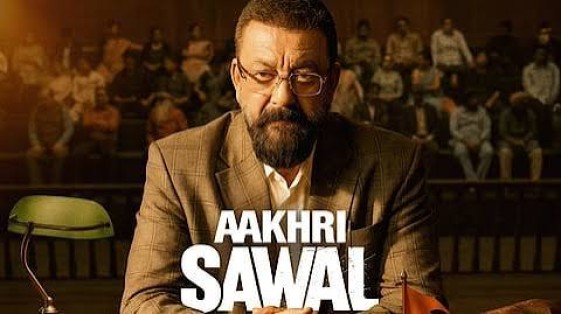
Sanjay Dutt-Starrer ‘Aakhri Sawal’ Heads for OTT Release as Digital Distribution Expands Film Reach
Sanjay Dutt-starrer ‘Aakhri Sawal’ is heading toward an OTT release, bringing fresh attention to the increasingly important role streaming platforms play in extending the commercial reach and audience life of Indian films.
The digital release represents more than an additional viewing window for a single title. It reflects a broader transformation in Indian film distribution, where theatrical exhibition, streaming, satellite television and digital licensing increasingly operate as interconnected parts of a film's commercial strategy.
For established stars such as Sanjay Dutt, OTT distribution can also connect films with audiences across regions and international markets without depending entirely on the scale of a theatrical rollout.
‘Aakhri Sawal’ Moves Toward Digital Distribution

The planned OTT arrival of ‘Aakhri Sawal’ places the film within India's rapidly evolving streaming ecosystem.
Digital platforms have become an important distribution channel for Hindi and regional cinema, allowing titles to remain commercially relevant beyond their initial release windows.
An OTT release can provide a film with access to viewers who:
-
Did not watch it theatrically
-
Live outside major cinema markets
-
Prefer home viewing
-
Discover films after release
-
Follow specific actors through streaming platforms
This creates a second opportunity to build audience interest.
Sanjay Dutt Brings Strong Recognition to Digital Release
Sanjay Dutt remains one of Hindi cinema's most recognisable actors, with a career spanning several decades and multiple genres.
That established audience recognition can be particularly useful in streaming.
OTT platforms operate enormous content libraries.
A familiar star can help a film stand out within that crowded environment and encourage users to sample a title they may not otherwise discover.
For streaming platforms, recognisable talent can therefore remain an important acquisition consideration.
OTT Has Become a Core Film Distribution Window
Streaming is no longer treated simply as an alternative for films unable to secure theatrical distribution.
It has become a standard component of the film industry's commercial model.
A typical film can generate value through several windows:
Theatrical release → OTT licensing → Satellite television → Other digital and international rights
Each window targets a different audience and revenue opportunity.
The precise sequence varies depending on the film, contract and distribution strategy.
Digital Releases Extend the Commercial Life of Films
The theatrical business is highly concentrated around opening weekends and the weeks immediately following release.
OTT operates differently.
A film can continue attracting viewers months or even years after becoming available.
Recommendation algorithms may surface older titles when users watch:
-
Similar films
-
The same actors
-
Related genres
-
Trending content
This gives films a potentially longer discovery cycle.
Streaming Removes Geographic Constraints
Traditional theatrical distribution depends heavily on physical screens.
A film needs cinemas, showtimes and local distribution arrangements.
Streaming dramatically reduces those geographic limitations.
Once licensed across eligible territories, a film can potentially reach viewers across cities, smaller towns and international markets through the same digital platform.
This is particularly valuable for Indian cinema because its audience extends well beyond India.
Indian Diaspora Expands International Opportunity
Indian films have substantial audiences across:
-
North America
-
Europe
-
Middle East
-
Southeast Asia
-
Australia
Historically, international theatrical distribution required separate arrangements and sufficient demand to justify screen allocation.
Streaming makes global distribution easier.
A subscriber outside India can discover the same film without waiting for a local theatrical release.
For a recognisable actor such as Sanjay Dutt, this international accessibility can broaden the potential audience considerably.
OTT Helps Films Reach Smaller Indian Markets
Digital distribution also matters within India.
Multiplex penetration varies significantly across the country.
Many viewers do not have convenient access to cinemas showing every Hindi release.
Smartphones, connected televisions and affordable mobile data have reduced this distribution barrier.
OTT therefore allows film producers to reach audiences beyond traditional theatrical centres.
Theatrical and OTT Markets Are Increasingly Connected
The relationship between theatres and streaming has changed significantly.
OTT was initially viewed by parts of the film industry as a threat to theatrical exhibition.
The industry increasingly treats the two formats as complementary.
Cinema provides:
-
Event viewing
-
Large-screen experience
-
Opening-weekend revenue
-
Cultural visibility
Streaming provides:
-
Convenience
-
Long-term discovery
-
Wider geography
-
Repeat viewing
A successful distribution strategy can use both.
Streaming Rights Can Reduce Producer Risk
Film production requires substantial upfront capital.
Revenue can be uncertain.
Selling OTT rights can provide producers with greater financial visibility before the complete theatrical performance of a film is known.
A film's overall commercial economics can include:
Box office + OTT rights + Satellite rights + Music rights + International rights
This diversified revenue structure can reduce dependence on any single channel.
Star Value Influences Digital Rights
Streaming platforms evaluate many factors when acquiring films.
These can include:
-
Cast
-
Genre
-
Production quality
-
Theatrical performance
-
Audience demographics
-
Social-media interest
-
International appeal
Recognisable actors can increase perceived audience potential.
Sanjay Dutt's established screen presence therefore contributes to the commercial positioning of ‘Aakhri Sawal’ in the digital market.
OTT Platforms Compete for Audience Attention
The Indian streaming market contains numerous platforms competing for subscribers and engagement.
That competition creates continuous demand for fresh programming.
Films can play an important role because they provide immediately recognisable content without requiring users to commit to an entire series.
A strong movie catalogue can also help platforms serve multiple audience segments.
Content Libraries Are Strategic Assets
Streaming platforms compete not only through newly released originals but through the depth of their libraries.
A broad film catalogue can keep subscribers engaged between major releases.
Older films can also experience renewed interest when:
-
An actor has a new release
-
A sequel arrives
-
A film becomes culturally relevant again
-
Social media revives a scene or song
Digital libraries therefore create recurring value from entertainment intellectual property.
Recommendation Algorithms Change Film Discovery
In physical cinema, discovery is largely determined by:
-
Screen availability
-
Advertising
-
Showtimes
-
Location
Streaming adds another factor:
Algorithms.
Recommendation systems can introduce viewers to films based on individual viewing history.
This means a movie does not necessarily need a massive marketing campaign to reach every potential viewer simultaneously.
It can find audiences gradually.
OTT Creates More Data About Viewer Behaviour
Digital platforms can measure viewing behaviour far more precisely than traditional theatrical distribution.
Platforms can potentially understand:
-
Who starts a film
-
Who finishes it
-
Where viewers stop
-
What they watch next
-
Which genres retain audiences
This data can influence future acquisition and production decisions.
For producers, streaming performance can therefore contribute to decisions about casting, genres and sequels.
Digital Distribution Supports Niche Genres
Theatrical economics favour films capable of attracting enough viewers to justify screen allocation.
Streaming can support more specialised content.
A niche film does not need to fill hundreds of cinemas simultaneously.
It needs to find the right viewers within a large subscriber base.
This can create opportunities for:
-
Thrillers
-
Crime dramas
-
Independent films
-
Regional cinema
-
Experimental storytelling
The result is a more diversified distribution environment.
Language Barriers Are Declining
Subtitles and dubbing have transformed how Indian audiences consume entertainment.
Hindi viewers increasingly watch South Indian films.
South Indian audiences watch Hindi content.
International viewers can access Indian cinema through subtitles.
Streaming platforms have accelerated this cross-language consumption.
A film's addressable audience is therefore increasingly determined by its appeal rather than its original language alone.
Dubbing Can Extend a Film’s Reach
A digital release can be distributed in multiple language versions.
This allows the same film to reach different regions without requiring separate productions.
For producers, localisation can significantly increase the potential value of existing intellectual property.
For streaming platforms, multilingual availability helps maximise engagement from a single acquisition.
Connected TVs Strengthen Premium OTT Viewing
OTT is no longer primarily a smartphone experience.
Connected televisions have made streaming increasingly similar to conventional home entertainment.
Families can watch digital films on large screens with high-quality sound.
This reduces the experiential gap between satellite television and streaming.
For feature films, connected-TV adoption can strengthen audience willingness to wait for home viewing.
OTT Release Windows Remain Strategically Important
The timing between theatrical and streaming releases can influence both channels.
If a movie becomes available digitally too quickly, some consumers may decide to skip cinemas.
If the window is too long, digital momentum can weaken.
Producers therefore need to balance:
Theatrical exclusivity
with
Digital demand.
There is no single optimal window for every film.
Marketing Can Restart Around OTT Release
A digital premiere creates a second promotional cycle.
Actors, producers and streaming platforms can launch fresh campaigns around the OTT release.
This can include:
-
Trailers
-
Interviews
-
Social-media clips
-
Behind-the-scenes material
-
Digital advertising
A film that received limited attention during its initial release can therefore gain renewed visibility.
Social Media Can Revive Films
Streaming and social platforms increasingly reinforce each other.
A scene can become viral months after a film's original release.
Users may then search for the complete movie on streaming services.
This creates a feedback loop:
Streaming availability → Viral clip → Audience discovery → More streaming
Films can therefore develop cultural relevance long after their first distribution window.
Digital Platforms Can Monetise Films Differently
Not every streaming platform uses the same business model.
Major approaches include:
Subscription Video on Demand
Users pay a recurring subscription.
Advertising-Supported Streaming
Users watch content with advertisements.
Transactional Video on Demand
Consumers pay individually to rent or purchase films.
Hybrid models combine multiple approaches.
This gives distributors different ways to monetise a title.
Advertising-Supported Streaming Broadens Reach
Subscription fatigue has encouraged platforms to develop advertising-supported tiers.
These models can make content accessible to viewers unwilling to pay for multiple subscriptions.
For films, ad-supported streaming can provide additional monetisation after premium distribution windows.
This can further extend the commercial lifespan of content.
OTT Rights Valuations Are Becoming More Selective
Streaming platforms are no longer acquiring films at any price simply to expand libraries.
The market has become more disciplined.
Platforms increasingly evaluate whether acquisition costs are justified by:
-
Viewer engagement
-
Subscriber acquisition
-
Retention
-
Advertising potential
This means star power remains valuable, but financial discipline has become more important.
Producers Need Stronger Multi-Window Economics
The changing streaming market means producers cannot rely automatically on unusually high OTT licensing values.
Film economics increasingly need to work across multiple channels.
A sustainable project may require realistic expectations around:
-
Box-office revenue
-
Streaming rights
-
Satellite rights
-
Music rights
-
Overseas distribution
Diversification becomes essential.
Streaming Creates New Opportunities for Film Libraries
Production companies owning large catalogues can benefit from repeated licensing opportunities.
Older films can be licensed across:
-
OTT services
-
Television
-
International platforms
-
Advertising-supported channels
This creates long-term value from intellectual property that historically may have generated limited revenue after theatrical and television cycles.
Actor Filmographies Become Digital Assets
Streaming also changes the value of an actor's historical catalogue.
When audiences discover a new film featuring an established performer, they may watch earlier titles.
For an actor with a long career such as Sanjay Dutt, digital platforms can connect new releases with decades of previous work.
This strengthens the continuing commercial value of established filmographies.
Indian Film Distribution Is Becoming Platform-Agnostic
The industry's central question is increasingly not whether a film belongs in theatres or streaming.
It is how each distribution channel can maximise the value of the same intellectual property.
The most successful strategies can combine:
Cinema for event value
OTT for reach
Television for mass distribution
Digital platforms for long-term discovery
This multi-window approach is becoming central to film economics.
What the Industry Should Watch
The OTT release of ‘Aakhri Sawal’ places several broader industry developments in focus:
-
Streaming platform selection
-
Digital premiere timing
-
Language availability
-
International distribution
-
Viewer engagement
-
OTT rights economics
-
Post-theatrical discovery
-
Marketing around digital release
The eventual audience response will help indicate how effectively the film can extend its reach through streaming.
Outlook
OTT distribution remains one of the most important structural changes in Indian entertainment.
Streaming has expanded the geographic reach of films, extended their commercial lives and created additional monetisation opportunities for producers and rights owners.
At the same time, platforms are becoming more selective about content spending, forcing producers to think carefully about the economics of each distribution window.
For established actors, digital distribution creates another important benefit: continuous access to audiences beyond theatrical release schedules.
Conclusion
The planned OTT release of Sanjay Dutt-starrer ‘Aakhri Sawal’ highlights how deeply streaming has become integrated into Indian film distribution.
Digital platforms give films an opportunity to reach audiences beyond theatrical geography, connect with international viewers and generate renewed discovery after their initial release period.
For producers, OTT represents an important additional commercial window rather than simply an alternative to cinemas.
For actors such as Sanjay Dutt, streaming can also extend audience relationships across generations and markets.
As India's entertainment industry becomes increasingly platform-agnostic, the commercial success of a film will depend less on a single release window and more on how effectively its intellectual property is monetised across theatres, streaming, television and international distribution.