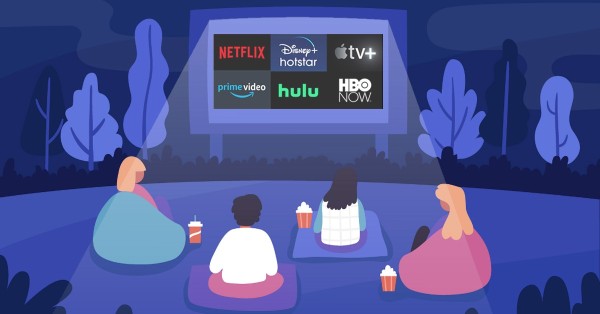
The entertainment industry is undergoing a dramatic shift. Over-the-top (OTT) platforms like Netflix, Amazon Prime, and Disney+ have changed the way we consume movies and TV shows. Traditional cinema, once the primary form of movie-watching, is facing increasing competition from these digital platforms. As streaming services continue to dominate the scene, many are left wondering: What’s the future of cinema, and how will OTT platforms impact it?
Let’s explore the pros and cons of both OTT and traditional cinema, analyze the current trends, and take a look at what the future holds for both.
1. The Rise of OTT Platforms
In the last decade, OTT platforms have seen explosive growth. From offering a wide variety of on-demand content to enabling the ability to watch movies at home, the convenience and affordability of streaming services have made them a popular choice for audiences worldwide. OTT platforms provide users the flexibility to watch movies, series, and documentaries anytime, anywhere, without the need for a scheduled showtime or a trip to the theater.
Advantages of OTT:
-
Convenience: Watch content at your own pace without the need to adhere to cinema timings.
-
Variety: Access to a vast library of content across genres, languages, and even global content.
-
Affordable Subscriptions: With monthly or yearly subscriptions, OTT services offer a wide range of content at a fraction of the cost of frequent cinema visits.
-
Exclusive Content: Many OTT platforms create exclusive movies and series (e.g., Netflix Originals), offering content that can’t be found in cinemas.
As more people opt for OTT, this shift in viewing habits has made a significant impact on traditional cinemas.
2. The Enduring Appeal of Cinema
Despite the rise of OTT, cinema continues to hold a special place in the hearts of movie lovers. For many, going to the cinema is more than just about watching a movie—it’s about the experience. The massive screens, immersive sound systems, and the shared atmosphere of watching a film with others are hard to replicate at home.
Advantages of Cinema:
-
Immersive Experience: The large screen, surround sound, and theater seating create a fully immersive experience that is difficult to match at home.
-
Social Event: Going to the movies is often a social activity, where friends and families come together to enjoy the film.
-
Visual Impact: Movies made for the big screen often feature breathtaking cinematography, special effects, and sound design that are meant to be seen and heard in the theater.
-
Exclusivity: Theaters often show big-budget films and high-profile premieres that attract audiences, offering a sense of exclusivity that OTT platforms cannot provide.
While OTT platforms have become more popular, the cinema experience remains a crucial part of movie culture for many.
3. The Changing Landscape: Hybrid Models
The lines between OTT and cinema are becoming increasingly blurred, with many studios opting for hybrid release models. In the past, movies would either be released in theaters first or go straight to digital platforms. Today, it’s not uncommon for films to have simultaneous releases or a shortened theatrical window before they land on streaming platforms.
For example, films like “Wonder Woman 1984” and “Black Widow” were released in theaters while also being available for streaming on platforms like HBO Max and Disney+. This shift is providing viewers with more flexibility on how they choose to consume content.
Impact of Hybrid Models:
-
Increased Accessibility: Viewers who are unable or unwilling to go to the cinema can still enjoy newly released films at home.
-
Simultaneous Streaming: Audiences can choose between the theater experience or the convenience of watching from home, leading to more content choices.
-
Financial Implications: Studios benefit from both theater sales and streaming subscriptions, offering a dual revenue stream.
As this hybrid model continues to grow, it is likely that the future of movie releases will evolve into a blend of both OTT and traditional cinema.
4. What’s the Future of Cinema?
Despite the success of OTT platforms, traditional cinema isn’t going anywhere just yet. The future of cinema lies in its ability to adapt to changing viewer preferences while preserving the unique movie-going experience. As the world of digital streaming grows, cinema chains are investing in upgraded technology such as IMAX screens, 3D films, and 4D experiences to lure moviegoers back to theaters.
Key Trends in Cinema’s Future:
-
Premium Experiences: Theaters may focus more on offering premium experiences like VIP seating, dining options, and luxurious environments to provide added value beyond the film itself.
-
Interactive Films: Some cinema chains may embrace interactive and immersive technologies (such as VR/AR) to attract audiences seeking something more engaging.
-
Special Event Screenings: Limited-time screenings of classic films or exclusive content (e.g., director’s cuts or special editions) may create niche markets within cinemas.
As long as theaters continue to offer something beyond just the movie—whether that’s the social atmosphere, advanced technology, or premium experiences—they will likely maintain their place in the entertainment world.
5. The Future of OTT: Streaming Reigns Supreme?
The OTT revolution is far from over. As technology continues to evolve, streaming platforms will likely play an even bigger role in how we consume entertainment. Future trends in the OTT space may include more interactive content, AI-driven recommendations, and global content libraries that allow for seamless viewing across borders.
Key Trends in OTT’s Future:
-
Personalization: Platforms will become more personalized through AI and machine learning, recommending content based on individual tastes and viewing habits.
-
Live Streaming and Sports: As OTT platforms expand into live events and sports streaming, they will compete with traditional television broadcasts and cable.
-
Globalization of Content: With the rise of content localization, OTT platforms will continue to push for a global audience, offering content in multiple languages and regional genres.
-
Greater Content Diversity: OTT platforms will likely increase their investments in diverse genres, local stories, and niche content to appeal to a broader audience.
Conclusion: A New Era of Entertainment
The debate between OTT and cinema is far from over. While OTT platforms offer unparalleled convenience and accessibility, traditional cinema continues to provide a unique and immersive experience that cannot be replicated at home.
As the entertainment landscape continues to evolve, it’s clear that both OTT platforms and cinemas will coexist, each offering its own set of benefits. Hybrid models, where movies are simultaneously released in theaters and on streaming platforms, could dominate in the future, allowing viewers to choose how they consume content.
Ultimately, the future of entertainment will likely see a synergistic relationship between OTT and cinema, where each serves a unique purpose in shaping the way we experience films.