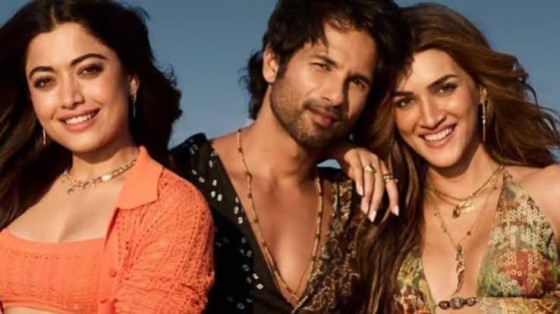
‘Cocktail 2’ Arrives on Netflix as Independence Day Weekend Streaming Competition Intensifies
‘Cocktail 2’ has arrived on Netflix during India’s Independence Day weekend, placing the romantic comedy sequel at the centre of one of the year’s busiest streaming windows. The release comes as major OTT platforms compete for audiences spending more time on entertainment during the extended holiday period. For Netflix, the film adds a recognisable Hindi cinema franchise to its August programming slate, while the broader weekend demonstrates how national holidays and festival periods have become strategically important battlegrounds for India’s rapidly evolving streaming industry.
‘Cocktail 2’ Strengthens Netflix’s Holiday Programming

Major holiday weekends give streaming platforms an opportunity to concentrate high-profile releases when viewers have more leisure time.
Recognisable Franchise Gives Netflix Audience Recall
The original ‘Cocktail’ developed a lasting following after its theatrical release, particularly for its music, urban setting and relationship-driven storyline.
A sequel therefore enters the market with significant built-in recognition.
Franchise familiarity can be particularly valuable in streaming, where viewers face enormous libraries of competing content.
Recognisable titles can reduce the marketing challenge because audiences already understand the broad identity associated with the property.
For Netflix, adding ‘Cocktail 2’ during a high-consumption weekend provides an opportunity to attract both viewers familiar with the earlier film and younger audiences discovering the franchise through streaming.
The release also demonstrates the continuing commercial value of established Hindi film intellectual property.
Streaming Gives Film Franchises Longer Commercial Lives
OTT platforms have changed the lifecycle of Indian films.
A movie no longer depends entirely on its initial theatrical run for audience discovery.
Streaming can introduce older titles to new viewers years after their original release.
This creates opportunities for sequels and franchise extensions.
When an older film remains widely available digitally, audiences can revisit the original before watching a new instalment.
That strengthens continuity between releases and can make dormant entertainment properties commercially relevant again.
For producers, successful franchises can also reduce some of the uncertainty associated with launching completely unfamiliar stories.
However, brand recognition alone does not guarantee success. The new film still needs to satisfy audiences whose expectations have been shaped by the original.
Independence Day Weekend Becomes a Streaming Battleground
August 15 has traditionally been an important theatrical release period in India, and streaming services are increasingly treating the holiday similarly.
Extended Weekends Create Higher Entertainment Demand
Public holidays can significantly alter viewing behaviour.
Consumers have more time available for movies and series, while families and groups are more likely to seek entertainment together.
Streaming companies can capitalise on this by releasing high-profile content immediately before or during holiday periods.
The strategy resembles theatrical programming, where producers have long targeted Independence Day, Diwali, Eid and other major dates.
OTT platforms, however, face fewer scheduling limitations than cinemas.
Several major titles can launch simultaneously because each service controls its own digital distribution.
The result is intense competition for attention rather than physical screens.
Platforms Compete for Viewing Time, Not Just Subscribers
India’s streaming market has matured beyond a simple race to acquire subscriptions.
Consumers frequently have access to multiple entertainment platforms.
The strategic challenge is getting subscribers to actually open and use a particular service.
A strong release slate can increase engagement and reduce the likelihood that customers cancel subscriptions.
This makes viewing time an increasingly important competitive metric.
A consumer spending several hours watching a new Netflix film is spending those hours away from competing streaming services, television, cinemas, gaming and social media.
Holiday programming therefore becomes part of a wider battle for consumer attention.
Netflix Continues Investing in Indian Entertainment
India remains strategically important for Netflix because of the scale and diversity of its entertainment audience.
Hindi Films Remain Important to Netflix India
Netflix has expanded its Indian catalogue across films, original series, licensed content and documentaries.
Hindi cinema remains an important part of that strategy.
Major Bollywood titles can attract broad audiences while also reaching Indian viewers living internationally.
This international distribution advantage is significant.
A Hindi film released through Netflix can potentially reach audiences across numerous countries simultaneously without requiring separate theatrical distribution networks in every territory.
That global reach can increase the commercial value of digital rights.
For producers, streaming partnerships can therefore provide both revenue and international exposure.
Regional Content Expands the Competitive Landscape
Hindi programming represents only one component of India’s streaming market.
Tamil, Telugu, Malayalam, Kannada, Bengali and other regional-language industries have become increasingly important to OTT platforms.
Regional films frequently attract viewers beyond their traditional geographic markets through subtitles and dubbing.
This has intensified competition for content rights.
Streaming companies must maintain diverse programming calendars capable of serving multiple linguistic audiences.
A major Hindi release such as ‘Cocktail 2’ can anchor a weekend, but platforms increasingly need complementary regional programming to maximise national engagement.
India’s entertainment market cannot be addressed effectively through a single-language strategy.
OTT Rights Have Become Critical to Film Economics
Streaming has created an additional revenue channel for film producers and studios.
Digital Deals Can Reduce Financial Risk
A film’s economics can include theatrical revenue, streaming rights, satellite television rights, music licensing and international distribution.
Selling digital rights can provide producers with revenue before or shortly after theatrical release.
This diversification reduces dependence on box-office performance alone.
For films with established stars or recognised franchises, streaming platforms may compete aggressively for rights because these titles can attract substantial audiences.
However, OTT buyers have also become more selective.
Platforms increasingly evaluate audience potential, production economics and expected engagement rather than paying premium prices simply because a film features well-known talent.
This shift is encouraging producers to align budgets more closely with realistic monetisation opportunities.
Streaming Performance Influences Future Franchise Value
The commercial impact of a movie increasingly continues after its initial release.
Strong streaming engagement can demonstrate that an entertainment property retains audience interest.
That information can influence decisions involving sequels, spin-offs and related intellectual property.
Platforms themselves gain substantial behavioural data from digital viewing.
They can understand completion rates, repeat viewing and geographic audience patterns at a level unavailable through traditional theatrical distribution.
Such information can influence future content acquisition and commissioning decisions.
For established franchises, successful streaming performance can therefore strengthen long-term intellectual-property value.
Romantic Comedies Compete in a Changing Content Market
‘Cocktail 2’ enters an entertainment environment increasingly dominated by action films, thrillers and large-scale franchise content.
Romance Remains a Valuable Streaming Genre
Romantic comedies have historically been an important part of Hindi cinema.
Their theatrical prominence has fluctuated as audiences increasingly favour large-scale spectacle for cinema visits.
Streaming provides the genre with another distribution environment.
Viewers may be more willing to watch relationship-driven films at home, particularly when the decision does not involve purchasing separate cinema tickets.
This can make OTT platforms particularly valuable for mid-budget genres.
Romance also has potential to generate repeat viewing when audiences connect strongly with characters, music and dialogue.
That can increase a film’s long-term engagement value for streaming platforms.
Music Can Extend Audience Engagement
Music has traditionally played an important role in the commercial identity of Hindi romantic films.
Popular songs can generate attention before release and remain culturally relevant long after viewers have watched the film.
Streaming music services and short-video platforms have expanded this effect.
Songs can circulate independently from the movie, introducing the title to audiences who may not have initially planned to watch it.
This creates a multi-platform marketing ecosystem.
A successful soundtrack can support film discovery while the movie itself generates additional streams and social-media engagement around the music.
For entertainment companies, this interaction increases the number of commercial touchpoints surrounding a film.
Holiday Release Competition Raises Marketing Pressure
Launching during a crowded weekend creates opportunity but also makes audience acquisition more difficult.
Multiple Releases Compete Simultaneously
Unlike traditional television schedules, streaming viewers can choose from enormous libraries at any time.
New releases therefore compete not only against titles launching on the same day but also against thousands of existing films and series.
A holiday weekend intensifies this challenge because rival platforms often schedule their strongest content for the same period.
Marketing becomes critical.
Homepage placement, trailers, social-media campaigns, cast promotions and recommendation algorithms can all influence what consumers choose to watch.
Recognisable franchises have an advantage because they begin with greater awareness.
Nevertheless, strong competition can quickly divide audience attention.
Social Media Can Determine Early Momentum
Digital entertainment releases now receive immediate public reaction.
Viewers discuss films on social networks within hours of launch.
Positive word of mouth can encourage additional audiences to watch, while weak reactions can reduce momentum quickly.
This makes the first weekend particularly important.
Streaming platforms can support initial discovery through prominent placement, but sustained engagement ultimately depends on audience response.
Entertainment companies increasingly design marketing campaigns around this dynamic.
Clips, interviews, songs and promotional material are released across multiple platforms to keep a title visible during its most important launch period.
Streaming Competition Is Reshaping India’s Media Economy
The battle surrounding holiday releases reflects a broader transformation in entertainment distribution.
Platforms Need Consistent Content Pipelines
Streaming businesses cannot depend on one blockbuster release.
Subscribers expect a continuous pipeline of fresh entertainment.
This requires platforms to balance expensive high-profile titles with smaller films, series, documentaries and licensed programming.
Content investment must also be spread throughout the year.
Holiday periods can provide engagement peaks, but services need sufficient programming between those peaks to retain users.
This creates a complex capital-allocation challenge.
Platforms must decide which projects deserve premium acquisition prices and which can deliver better returns at lower budgets.
Indian Content Has Increasing International Value
Streaming has expanded the potential international market for Indian entertainment.
Films and series can reach diaspora audiences immediately while also being discovered by non-Indian viewers.
Subtitles, dubbing and recommendation systems lower some of the traditional barriers to international distribution.
Successful Indian content can therefore generate value beyond domestic viewing.
For Netflix, this global distribution network differentiates streaming from conventional Indian television.
A locally produced title can become part of a worldwide catalogue from the moment it launches.
This creates incentives for producers to develop stories with strong local identities that can still travel internationally.
Independence Day Programming Has Commercial Importance
The concentration of major entertainment releases around national holidays is becoming increasingly significant for the media business.
Holiday Windows Can Improve Subscriber Engagement
Streaming companies spend heavily to acquire customers.
Once users subscribe, maintaining engagement becomes critical to protecting the economics of that acquisition spending.
Major holiday releases give platforms opportunities to bring inactive subscribers back into their applications.
They can also encourage new subscriptions when particular titles generate sufficient anticipation.
The commercial objective therefore extends beyond the performance of a single film.
A successful release can increase viewing across the wider platform as consumers discover additional content after completing the headline title.
This makes programming strategy closely connected with subscriber retention.
Competition Could Benefit Producers and Audiences
Strong competition among streaming platforms creates multiple potential buyers for Indian entertainment.
Producers can negotiate with services seeking differentiated programming.
Creators also gain more distribution routes beyond theatrical cinemas and television.
For audiences, competition can produce broader content choices.
However, fragmentation also means viewers may need subscriptions to several services to access all major releases.
Platforms must therefore demonstrate sufficient value to justify their place within household entertainment budgets.
High-profile holiday programming is one way of reinforcing that value.
Conclusion
The arrival of ‘Cocktail 2’ on Netflix during the Independence Day weekend highlights how major holiday periods have become important competitive windows for India’s streaming industry. Recognisable franchises can help platforms attract immediate attention, while the extended weekend provides an opportunity to increase viewing and strengthen subscriber engagement.
The larger battle extends well beyond a single film. Netflix and its competitors are competing for consumer time across movies, series, regional entertainment, gaming and social media.
As India’s OTT market matures, programming decisions will increasingly focus on retaining audiences rather than simply accumulating subscribers. Major releases positioned around high-consumption periods such as Independence Day will remain an important part of that strategy, making holiday weekends increasingly valuable territory in India’s digital entertainment economy.