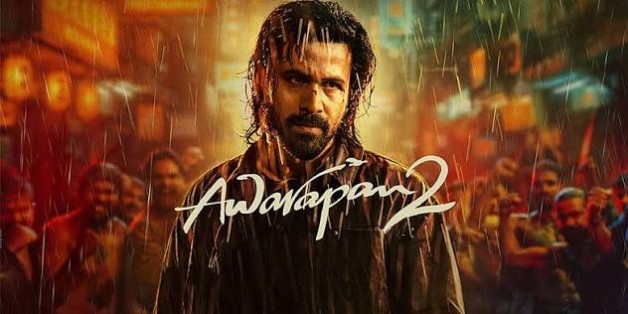
‘Awarapan 2’ Opens in Indian Cinemas on August 14 as Emraan Hashmi Returns as Shivam Pandit
Awarapan 2 has opened in Indian cinemas on August 14, 2026, bringing Emraan Hashmi back to one of the most closely associated characters of his career nearly two decades after the release of the original film.
The Hindi action-romantic crime drama reunites Hashmi with Vishesh Films and sees him reprise the role of Shivam Pandit, while Disha Patani joins the franchise as a principal cast member. Shabana Azmi and Suvinder Vicky are also part of the ensemble.
Directed by Nitin Kakkar, the sequel arrives during the Independence Day holiday weekend, traditionally one of the more valuable theatrical release periods in India's film calendar.
The opening also provides an important commercial test of whether nostalgia surrounding a cult film can be converted into contemporary theatrical demand.
Emraan Hashmi Returns as Shivam Pandit

The central attraction surrounding Awarapan 2 is Emraan Hashmi's return as Shivam Pandit.
The original Awarapan, released in 2007, gradually developed a dedicated following even though its initial theatrical performance was relatively modest.
Over time, its combination of music, emotional storytelling and Hashmi's performance helped the film achieve cult status among a section of Hindi-film audiences.
That long afterlife created a foundation for the sequel.
Sequel Arrives 19 Years After the Original Film
The gap between the two films is unusually long.
Nearly 19 years separate the original Awarapan and its sequel.
That gives the new film access to two potential audience groups:
-
Viewers who remember the original theatrical release
-
Younger audiences who discovered the film later through television, streaming or digital platforms
This multi-generational awareness can be commercially valuable when reviving older intellectual property.
Disha Patani Joins the Franchise
Disha Patani appears alongside Hashmi in the sequel, bringing a new leading presence into the story.
Her involvement gives the film an opportunity to broaden its appeal beyond audiences primarily motivated by nostalgia for the original.
Successful sequels often need to achieve a difficult balance:
Preserve familiar elements while introducing enough new characters and storytelling to justify another chapter.
That challenge is particularly significant when the original film has developed a strong emotional following.
Shabana Azmi Adds Veteran Presence
The film's supporting cast includes veteran actor Shabana Azmi.
Her presence gives the production additional dramatic weight, while Suvinder Vicky also plays a significant supporting character.
Vicky has described working on the sequel as carrying added responsibility because of the reputation developed by the original film.
That pressure is common when filmmakers revisit properties that audiences regard with significant nostalgia.
Nitin Kakkar Directs the Sequel
Awarapan 2 is directed by Nitin Kakkar.
The sequel therefore introduces a different filmmaker into a franchise whose identity is already strongly established.
Directing such a project requires balancing several expectations:
-
Maintaining emotional continuity
-
Preserving the protagonist's identity
-
Updating filmmaking style
-
Creating a standalone contemporary story
The extent to which the sequel achieves that balance could influence word-of-mouth through the opening weekend.
Vishesh Films Returns to One of Its Recognisable Properties
The film also reconnects Emraan Hashmi with Vishesh Films.
The production banner played an important role in Hashmi's earlier career and became associated with several commercially successful Hindi films built around music, romance, crime and emotionally conflicted protagonists.
Awarapan remains one of the most remembered films from that period despite its unusual commercial history.
Returning to the property therefore carries substantial brand value for the production house.
Music Remains an Important Part of the Franchise Identity
The first Awarapan developed a particularly strong reputation for its soundtrack.
That creates significant expectations for the sequel's music.
Amaal Mallik has been associated with the new film's music, while Arijit Singh has also contributed selectively to the soundtrack.
For a franchise whose original emotional identity was closely connected with music, soundtrack reception can influence both audience interest and the film's long-term cultural impact.
Nostalgia Has Become an Important Bollywood Strategy
Awarapan 2 reflects a broader trend within India's entertainment business.
Studios increasingly recognise the value of established intellectual property.
Older films can provide:
-
Existing audience awareness
-
Familiar characters
-
Recognisable music
-
Lower marketing education costs
The commercial logic is straightforward.
Convincing consumers to watch an entirely unfamiliar property can require substantial promotional spending.
A recognised franchise begins with a built-in level of awareness.
But Nostalgia Alone Does Not Guarantee Success
The advantage can also become a risk.
Audiences who strongly remember the original film often arrive with elevated expectations.
A sequel is not compared only with competing releases.
It is compared with the memory of the earlier film.
That can make word-of-mouth unusually decisive.
A sequel that feels unnecessary can lose momentum quickly even when opening interest is strong.
Advance Booking Indicates Strong Initial Interest
Awarapan 2 entered release day with encouraging advance-booking momentum.
Pre-release booking reports indicated that it had established a clear lead over another major Hindi release arriving around the same Independence Day period.
This suggests that the sequel's franchise recognition and Emraan Hashmi's return generated meaningful initial theatrical demand.
However, advance booking measures anticipation rather than final commercial performance.
Opening-Day Collection Is Still Developing
Because the film opened on August 14, its final first-day box-office collection is not yet settled at the time of publication.
Live box-office trackers were already reporting several crores in domestic collections during the day, but such figures continue changing until late-night shows conclude and final trade estimates are compiled.
The more reliable commercial picture will emerge after the complete opening day and weekend.
Independence Day Weekend Offers Strong Commercial Opportunity
The timing gives Awarapan 2 an important advantage.
August 15 is India's Independence Day, creating a holiday environment immediately following the Friday release.
A favourable sequence of:
Friday opening → Independence Day holiday → Weekend
can generate stronger theatrical footfalls if audience response remains positive.
Holiday releases can be particularly valuable because weekday attendance normally trails weekends.
Holiday Releases Also Increase Competition
The same attractive calendar creates competition.
Multiple producers frequently target major holidays because audiences have greater leisure time.
Awarapan 2 therefore needs to compete not only with other new Hindi films but also with continuing Hollywood and Indian releases.
Screen allocation becomes important when several films are simultaneously attracting audiences.
‘Batwara 1947’ Creates Direct Hindi-Film Competition
One of the principal new theatrical competitors is Batwara 1947, featuring Sunny Deol.
The films offer different audience propositions.
Awarapan 2 relies on:
-
Franchise nostalgia
-
Romance
-
Crime
-
Music
-
Emraan Hashmi's return
Batwara 1947 targets audiences through a different historical and dramatic positioning.
The competing releases provide exhibitors with alternative options for allocating screens during the holiday weekend.
‘Awarapan 2’ Entered Opening Day Ahead in Advance Sales
Early ticket-sales reporting indicated Awarapan 2 had established a substantial advantage over Batwara 1947 in advance bookings.
That gives the sequel stronger initial momentum.
The comparison becomes less meaningful after the first day, however, because theatrical performance increasingly depends on audience reaction.
A film that opens smaller can still grow rapidly if word-of-mouth is strong.
Existing Hollywood Films Remain in the Market
The film also enters cinemas while large international releases remain available.
Established Hollywood titles can continue occupying premium screens when they maintain strong demand.
That creates additional competition for:
-
IMAX and premium formats
-
Evening shows
-
High-performing multiplex screens
Indian films releasing during crowded periods therefore need strong initial occupancy to retain favourable scheduling.
Social-Media Reaction Becomes Immediate Box-Office Variable
Modern film releases receive almost instant audience reaction.
Within hours of first shows, viewers begin posting:
-
Reviews
-
Favourite scenes
-
Music reactions
-
Performance assessments
This can influence evening and weekend ticket sales.
For a nostalgia-driven sequel, social response becomes particularly important because audiences want to know whether the film respects the original.
Emraan Hashmi’s Performance Is Central to Audience Response
Hashmi is carrying much of that expectation.
Shivam Pandit is closely associated with his earlier screen persona, and returning to the character creates a direct connection between the two films.
Audience reactions on release day have focused strongly on Hashmi's performance and the emotional continuity with the original.
That makes his character one of the most important determinants of the sequel's reception.
Film Also Tests Emraan Hashmi’s Theatrical Pull
The release has commercial significance for Hashmi himself.
Actors often become strongly identified with particular periods of Hindi cinema.
Returning to a recognised franchise can reactivate older fan bases while introducing the performer to younger audiences.
A strong theatrical outcome could strengthen demand for additional projects built around Hashmi's established screen identity.
Cult Films Can Become More Valuable With Time
Awarapan illustrates an unusual feature of entertainment intellectual property.
A film's value is not fixed by its original box-office performance.
Some titles develop substantially larger audiences over time through:
-
Television
-
Home video
-
Streaming
-
Music
-
Online communities
When this occurs, an initially modest theatrical property can later become commercially valuable enough to support sequels or re-releases.
Streaming Has Strengthened Film Libraries
Digital platforms have made older films easier to rediscover.
A viewer no longer needs to have seen a movie during its original theatrical window.
Entire film libraries can remain accessible for years.
This gives entertainment companies stronger incentives to maintain and monetise older intellectual property.
A sequel can therefore emerge long after the original film leaves cinemas.
Music Streaming Also Sustains Older Franchises
Songs can maintain cultural familiarity even when audiences do not repeatedly watch the underlying film.
The music associated with Awarapan remained one of the original film's strongest legacy assets.
Streaming platforms allow older soundtracks to continue reaching listeners indefinitely.
This can preserve awareness around a franchise until another commercial opportunity emerges.
Hindi Cinema Is Increasingly Revisiting Established IP
Franchise development has become more important as theatrical risk increases.
Production companies face rising costs involving:
-
Actors
-
Marketing
-
Visual effects
-
Distribution
Established intellectual property can reduce some demand uncertainty.
That is one reason sequels and franchises occupy an increasingly visible part of mainstream film slates.
Audience Loyalty Can Reduce Marketing Risk
A sequel begins with an audience that already understands the basic brand.
Marketing can therefore focus on:
The return of the character
rather than explaining an entirely new world.
Awarapan 2 has leaned heavily into the return of Shivam Pandit.
That provides an immediately recognisable promotional hook.
Theatrical Success Still Requires New Audiences
Existing fans alone may not produce blockbuster economics.
A commercially successful sequel usually needs to expand beyond the original audience.
Disha Patani and a contemporary production style could help attract viewers who have limited attachment to the 2007 film.
The film's performance among younger moviegoers will therefore be worth monitoring.
Box-Office Economics Have Changed Since 2007
The theatrical market itself is very different from when the first film arrived.
Ticket prices are higher.
Multiplex penetration has expanded.
Online ticketing provides better demand visibility.
Streaming creates competition for consumer attention.
Social media accelerates word-of-mouth.
As a result, comparing the two films only through nominal box-office collections would provide little meaningful context.
Multiplexes Benefit From Strong Holiday Releases
A successful Awarapan 2 would also benefit exhibition companies.
Multiplex operators depend heavily on attractive content to generate:
-
Ticket revenue
-
Food and beverage sales
-
Advertising
-
Premium-screen utilisation
Holiday periods containing several strong films can materially improve admissions.
This makes Independence Day one of the more closely watched weekends for India's theatrical industry.
Food and Beverage Spending Amplifies Film Economics
A cinema visitor generates more than ticket revenue.
Consumers can also spend on:
-
Popcorn
-
Beverages
-
Meals
-
Premium seating
A heavily attended film therefore improves several revenue streams simultaneously for exhibitors.
Strong youth-oriented and fan-driven films can be particularly valuable because groups often visit cinemas together.
Theatrical Windows Remain Important for Film Value
Despite the growth of streaming, a successful cinema run still provides important benefits.
It creates:
-
Box-office revenue
-
Public visibility
-
Cultural momentum
-
Stronger digital value
A theatrical hit can potentially command greater interest when it later reaches streaming platforms.
This makes theatrical reception relevant to the entire commercial lifecycle of the film.
OTT Rights Provide a Second Major Revenue Window
After completing its theatrical run, Awarapan 2 is likely to enter a digital distribution window.
The value and visibility of that window can be influenced by theatrical performance.
A strong cinema run creates greater awareness and can increase audience interest when the title later reaches streaming.
Modern film economics therefore increasingly involve multiple revenue stages rather than box office alone.
Music Rights Add Another Monetisation Layer
The film's soundtrack also represents an independent commercial asset.
Music can generate value through:
-
Streaming
-
Video platforms
-
Licensing
-
Radio
For a franchise historically associated with popular songs, this revenue stream carries greater strategic importance.
A successful soundtrack can continue generating value long after the film leaves cinemas.
International Markets Could Contribute
Emraan Hashmi and Hindi romantic thrillers have audiences outside India, particularly across territories with significant South Asian populations.
Overseas performance can therefore provide additional box-office revenue.
Markets such as:
-
Middle East
-
United Kingdom
-
North America
-
Australia
are commonly relevant to Hindi-film distribution.
The scale of overseas demand will become clearer after the opening weekend.
Sequel Economics Depend on Budget Discipline
Box-office headlines often focus on gross collections, but profitability depends on production and marketing costs.
A ₹100 crore film earning ₹150 crore does not necessarily have better economics than a ₹40 crore film earning ₹100 crore.
Investors and producers therefore evaluate:
Total revenue relative to total investment
The financial outcome of Awarapan 2 will ultimately depend on its complete cost structure and revenue across theatrical and non-theatrical rights.
Opening Weekend Will Be the First Major Test
The immediate focus now shifts to the period from August 14 through the Independence Day weekend.
Key indicators include:
-
Opening-day net collection
-
Saturday growth
-
Sunday hold
-
Occupancy
-
Screen count
-
Audience response
A strong first weekend can provide the foundation for a longer theatrical run.
Monday Hold Will Be Equally Important
Holiday weekends can sometimes inflate initial collections.
The first normal working day provides another useful measure of underlying audience demand.
If collections remain resilient after the holiday period, the film is more likely to sustain a longer run.
A sharp decline would suggest that opening demand was driven primarily by fans and holidays.
Word-of-Mouth Will Determine Long-Term Performance
Marketing can create opening interest.
Sustained performance generally requires audience satisfaction.
That makes the next several days crucial.
Positive word-of-mouth can attract viewers who were initially uncertain about returning to an older franchise.
Negative reactions can quickly weaken momentum once the core fan audience has attended.
What the Film Industry Should Watch
Several indicators will determine the commercial trajectory of Awarapan 2:
-
Final opening-day collection
-
Independence Day attendance
-
Opening-weekend total
-
Audience word-of-mouth
-
Competition from other releases
-
Screen retention
-
Music performance
-
Overseas collections
-
OTT value
-
Weekday box-office stability
The opening has generated meaningful attention, but the full commercial verdict will require several more days of theatrical performance.
Outlook
Awarapan 2 enters cinemas with several advantages.
It possesses a recognised title, a returning lead actor strongly identified with the original film, an established music legacy and a commercially favourable holiday release window.
Advance sales also point to meaningful audience interest.
The risk lies in the same franchise legacy that creates those advantages.
Audiences have had nearly two decades to develop strong emotional associations with the original.
The sequel therefore needs to satisfy nostalgia while functioning as a convincing contemporary film.
Conclusion
The theatrical release of Awarapan 2 on August 14, 2026 brings one of Emraan Hashmi's most remembered characters back to Indian cinemas after nearly 19 years.
The film reunites Hashmi's Shivam Pandit with the Vishesh Films banner while introducing Disha Patani, Shabana Azmi and other new cast members into the franchise.
Its Independence Day weekend timing and strong advance-booking interest provide a favourable starting point.
The more important question now is whether nostalgia can convert into sustained box-office demand.
For India's film industry, Awarapan 2 is also another test of the growing commercial strategy of reviving established intellectual property for audiences who increasingly consume entertainment across theatres, television, music streaming and OTT platforms.
The opening day has established audience interest. The next several days will determine whether Awarapan 2 becomes merely a successful nostalgia event or develops into one of the stronger theatrical performers of the Independence Day period.