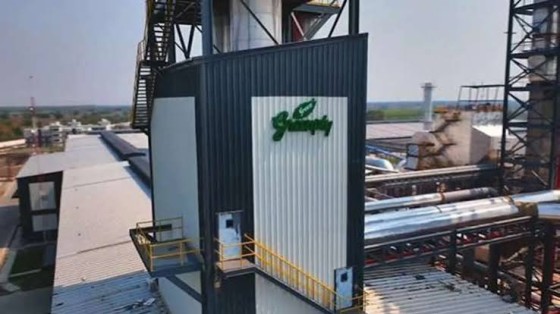
Greenply Industries Plans JV Capital Restructuring as Samet Prepares $30–40 Million Investment Over Three Years
Greenply Industries has approved a proposed capital restructuring of its joint venture Greenply Samet Private Limited that will see Turkish furniture-fittings company Samet invest an additional $30 million to $40 million over the next two to three years, while Greenply substantially reduces its voting interest and redirects capital toward its core plywood and MDF businesses.
Greenply's board approved a binding Head of Terms with Samet B.V. on September 11, 2026, setting out the preliminary structure for the proposed capital infusion.
Under the plan, Greenply Samet will issue shares carrying differential voting rights. Samet's voting interest is expected to increase from 50% to approximately 81%, while Greenply's voting interest will decline from 50% to approximately 19%.
Greenply will initially retain an economic interest of around 43%, although that percentage is expected to decline over time as additional capital is invested. Its voting interest will remain fixed at approximately 19% until its economic and voting interests eventually converge.
The restructuring is expected to be completed by January 2027, subject to definitive documentation, required approvals and other conditions.
Samet to Invest $30–40 Million in Greenply Joint Venture

The central element of the restructuring is a substantial new capital commitment from Samet.
The Turkish partner plans to invest approximately:
$30 million to $40 million
into Greenply Samet over the next:
two to three years.
The investment is intended to provide the joint venture with the financial resources required to scale its Indian operations without requiring further equity funding from Greenply.
According to the company, the fresh capital will primarily support capacity expansion, product localisation, working capital, market development and deeper penetration of the Indian furniture-hardware market.
Samet's Voting Interest to Rise to About 81%
Greenply Samet currently operates as an equal joint venture, with Greenply and Samet each holding a 50% interest.
That structure will change significantly under the proposed restructuring.
Samet's voting interest is expected to increase to approximately:
81%.
Greenply's voting interest will decline to approximately:
19%.
The shift effectively gives Samet control of the voting rights in the joint venture while allowing Greenply to remain economically invested in its future growth.
Differential Voting Rights Will Enable New Structure
The restructuring will be implemented through the issuance of:
shares with differential voting rights.
This allows economic ownership and voting control to differ.
Immediately following the proposed transaction, Greenply expects to retain an economic interest of approximately 43%, even though its voting interest will be only about 19%.
The economic interest will then reduce over time as Samet contributes additional capital.
Greenply's voting rights are expected to remain at approximately 19% until the economic ownership percentage falls to the same level.
The structure allows Samet to assume greater control while preserving meaningful economic participation for Greenply during the transition.
Greenply Samet Will Cease to Be an Associate
One of the most important accounting consequences is that Greenply Samet will cease to be an:
associate company of Greenply Industries
once the restructuring is completed.
Greenply will therefore no longer be required to account for the joint venture's financial results in the same manner under its consolidated financial statements.
The company has also said that:
all further equity funding from Greenply to the joint venture will cease.
This is a central part of the strategic rationale for the transaction.
Greenply Wants to Stop Funding JV Losses and Capex
Greenply has positioned the restructuring as a capital-allocation decision.
By moving the responsibility for future equity funding toward Samet, Greenply expects to eliminate its own continuing requirements to fund:
operating losses
and:
capital expenditure
at the joint venture.
That frees financial resources that can instead be directed toward Greenply's established plywood and MDF operations.
For shareholders, the change separates Greenply's capital requirements from the funding needed to scale the furniture-hardware venture.
Plywood and MDF Become Clear Capital Priorities
Greenply said the restructuring will allow it to:
hyper-focus on its core plywood and MDF portfolios.
These businesses remain central to the company's interior-infrastructure strategy.
Greenply has established manufacturing and distribution capabilities across products including:
plywood,
medium-density fibreboard,
blockboards,
decorative veneers,
and flush doors.
By reducing future capital commitments to Greenply Samet, management can allocate more resources to expanding capacity and strengthening its position in these categories.
Samet Funding Will Drive Capacity Expansion
For the joint venture itself, the restructuring is designed to support a more aggressive growth phase.
A significant portion of Samet's proposed investment will be directed toward:
capacity expansion.
Furniture hardware is a manufacturing-intensive business in which local production can influence:
cost,
product availability,
lead times,
inventory requirements,
and competitiveness.
Additional capacity could allow Greenply Samet to increase the proportion of products manufactured domestically rather than depending heavily on imports.
Product Localisation Is a Major Objective
Product localisation is another major use of the planned capital.
Greenply Samet has historically relied partly on imported products and components.
Increasing domestic production can potentially reduce:
import dependence,
freight costs,
foreign-exchange exposure,
and supply-chain lead times.
Local manufacturing can also make it easier to develop products specifically for Indian furniture manufacturers, contractors and consumers.
The proposed investment therefore targets both scale and the economics of the joint venture's business model.
Working Capital and Market Development Also Included
Not all of the $30–40 million will be spent on manufacturing assets.
The planned funding will also support:
working capital,
market development,
and deeper market penetration.
As a furniture-hardware company expands, it needs additional inventory and receivables funding to support a larger distribution network.
Market development can involve adding dealers, improving product availability, increasing brand visibility and building relationships with furniture manufacturers, architects and interior professionals.
The investment therefore provides a broader financial runway rather than simply funding factory expansion.
Greenply Will Retain Exposure to Future Value Creation
Although Greenply is reducing its voting influence, it is not exiting the joint venture.
Its initial economic interest of approximately 43% means it will continue participating in potential long-term value creation.
Joint Managing Director Sanidhya Mittal described the restructuring as a strategic effort to streamline Greenply's portfolio while providing the joint venture with sufficient capital to scale independently.
Greenply has also said it will continue to support the alliance strategically when required.
The arrangement therefore changes the financial and governance relationship rather than ending the partnership.
Samet Brings Furniture-Hardware Expertise
Samet is a Turkey-based manufacturer of furniture fittings with an established international business.
Its product portfolio includes hardware used across furniture applications, giving the company specialised manufacturing and technical expertise.
The Greenply partnership combines that expertise with Greenply's knowledge of India's building-materials market and distribution ecosystem.
Under the new structure, Samet will assume substantially greater voting control and responsibility for financing the venture's expansion.
Indian Furniture Hardware Market Offers Growth Opportunity
India's furniture and interior-products markets are becoming increasingly organised.
Growth in:
residential construction,
home renovation,
modular kitchens,
wardrobes,
commercial interiors,
and organised furniture manufacturing
is increasing demand for functional hardware.
Consumers and manufacturers are also becoming more demanding about product quality, durability and design.
This creates opportunities for specialised furniture-hardware companies that can combine international technology with local manufacturing and distribution.
Greenply Has Extensive Indian Distribution Network
Greenply's broader business provides the partnership with significant access to India's interior-products ecosystem.
The company says it has a presence across more than 1,100 cities, towns and villages, supported by over 3,000 dealers and authorised stockists and a retail network exceeding 6,000 outlets.
Its operations span 27 states and six union territories.
That distribution experience remains strategically valuable to the alliance even as Samet takes greater control over the joint venture.
Restructuring Separates Capital Allocation From Strategic Relationship
The proposed structure illustrates an important distinction.
Greenply is reducing its financial and governance exposure to the joint venture, but it is not necessarily reducing its belief in the furniture-hardware opportunity.
Instead, management is separating two decisions:
where Greenply should deploy its own capital,
and:
whether it should continue participating economically in Greenply Samet.
The restructuring allows the company to prioritise plywood and MDF while preserving a minority interest in the furniture-hardware business.
Completion Expected by January 2027
Greenply expects the restructuring to be completed by:
January 2027.
However, the transaction remains a proposed restructuring based on a binding Head of Terms.
The parties will need to execute the required definitive agreements and satisfy applicable approvals and third-party consent requirements.
Until completion, the existing ownership and accounting structure remains relevant.
Greenply Also Expanding MDF Capacity
The strategic shift toward Greenply's core businesses is being accompanied by additional investment in MDF.
On the same day that it approved the Samet restructuring, Greenply's board approved a corporate guarantee of up to:
₹200 crore
in favour of IDBI Bank for credit facilities to be used by wholly owned subsidiary Greenply Speciality Panels Private Limited.
The financing is intended to support MDF capacity expansion.
That parallel decision reinforces the company's stated objective of redirecting financial capacity toward businesses where it wants to maintain direct operating control.
Restructuring Could Improve Capital Discipline
The proposed arrangement can potentially improve Greenply's capital discipline in several ways.
First, future equity requirements at the joint venture will shift toward Samet.
Second, Greenply can direct additional capital toward its established manufacturing businesses.
Third, the company retains economic exposure to the furniture-hardware venture without funding its full expansion requirements.
The financial benefits will depend on how quickly the joint venture scales and whether localisation improves its economics.
Investors Will Watch Economic Dilution
One factor investors will need to monitor is the eventual dilution of Greenply's economic interest.
The company will initially retain approximately:
43%.
That percentage will decline as Samet contributes additional capital over the next two to three years.
The final economic ownership will therefore depend on the implementation of the funding plan and the terms of future share issuances.
Greenply's voting interest, meanwhile, is expected to remain at approximately 19% until the two percentages become equal.
Joint Venture Profitability Remains Important
The restructuring also needs to be understood in the context of the joint venture's current financial profile.
Greenply Samet remains in an investment and scale-building phase and has contributed losses to Greenply's consolidated financial results.
For the first quarter of FY27, the venture generated revenue of around ₹13.6 crore, while Greenply recorded a share of loss of approximately ₹5.7 crore from the business.
That helps explain why management sees value in allowing Samet to provide the next phase of expansion capital.
The objective is to create sufficient scale and localisation for the venture to develop a more sustainable financial model.
Conclusion
Greenply Industries' proposed restructuring of Greenply Samet marks a significant change in how the company intends to allocate capital between its core businesses and its furniture-hardware joint venture.
Under the preliminary structure, Samet will invest approximately $30 million to $40 million over the next two to three years, providing capital for capacity expansion, product localisation, working capital and market development.
Samet's voting interest will rise from 50% to approximately 81%, while Greenply's voting interest will fall to around 19%. Greenply will initially retain an economic interest of approximately 43%, which will decline as additional funding is injected.
Once completed, the venture will cease to be an associate of Greenply, and the Indian company will stop providing further equity funding for its losses and capital expenditure.
For Greenply, the strategic objective is clear: preserve economic participation in the furniture-hardware opportunity while freeing capital to accelerate its plywood and MDF businesses.
For Greenply Samet, the next phase will depend on whether Samet's substantial capital commitment can translate into greater local manufacturing, wider distribution, stronger market penetration and ultimately a sustainable profitable business.