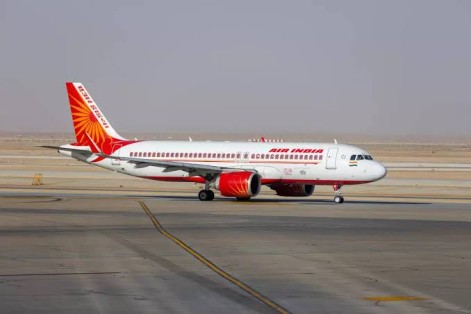
Air India Secures Fresh Aircraft Financing via Offshore Leasing Structure
Air India has secured fresh aircraft financing through an offshore leasing structure, strengthening its long-term funding strategy as it continues one of the aviation industry's largest fleet modernisation programmes. The financing arrangement is expected to support the airline's ongoing aircraft induction plans while providing greater financial flexibility for future expansion.
Aircraft leasing remains a preferred financing model across the global aviation industry, enabling airlines to expand fleets without making substantial upfront capital investments. For Air India, the latest funding initiative aligns with its broader strategy of modernising operations, improving network connectivity and enhancing passenger experience.
Offshore Leasing Supports Fleet Expansion

Aircraft leasing continues to play a central role in airline financing.
Key advantages include:
-
Reduced upfront capital expenditure
-
Flexible financing options
-
Faster fleet induction
-
Better cash flow management
-
Optimised balance-sheet utilisation
-
Long-term fleet planning
-
Improved operational flexibility
-
Scalable growth strategy
Leasing allows airlines to align fleet growth with evolving market demand.
Fleet Modernisation Remains a Strategic Priority
Air India continues investing in next-generation aircraft.
Key objectives include:
-
Fleet renewal
-
Improved fuel efficiency
-
Lower operating costs
-
Enhanced passenger comfort
-
Expanded international routes
-
Greater operational reliability
-
Sustainable aviation initiatives
-
Network expansion
A modern fleet supports both operational efficiency and long-term competitiveness.
Aviation Finance Continues to Evolve
Global leasing companies remain important funding partners for airlines.
Key financing sources include:
-
Operating leases
-
Finance leases
-
Export credit support
-
Commercial bank financing
-
Capital market funding
-
Aviation leasing firms
-
Institutional investors
-
Structured finance solutions
Diversified financing options strengthen airlines' financial resilience.
Growing Air Travel Supports Investment
Strong passenger demand continues to encourage fleet expansion.
Key growth drivers include:
-
Rising domestic travel
-
International route expansion
-
Tourism growth
-
Business travel recovery
-
Increasing disposable incomes
-
Airport infrastructure development
-
Higher aircraft utilisation
-
Expanding aviation market
These trends continue supporting long-term investment across the aviation sector.
Leasing Improves Financial Flexibility
Offshore leasing structures provide airlines with funding flexibility.
Key benefits include:
-
Efficient capital allocation
-
Predictable lease payments
-
Fleet management flexibility
-
Access to modern aircraft
-
Reduced financing risk
-
Improved liquidity management
-
Asset-light expansion
-
Better financial planning
Such structures are widely used by airlines globally to manage capital efficiently.
Investors Monitor Aviation Sector Growth
Market participants continue assessing developments in airline financing.
Key indicators include:
-
Fleet expansion
-
Passenger traffic
-
Aircraft deliveries
-
Load factors
-
Revenue growth
-
Operating margins
-
Financing activity
-
Industry capacity
These metrics provide insight into the long-term outlook for the aviation industry.
Risks to Monitor
Investors should continue monitoring:
-
Fuel prices
-
Interest-rate trends
-
Currency movements
-
Aircraft delivery schedules
-
Global travel demand
-
Supply chain disruptions
-
Geopolitical developments
-
Aviation regulations
-
Leasing costs
-
Economic growth
These factors could influence airline profitability and expansion plans.
What Investors Should Watch
Key indicators include:
-
Aircraft deliveries
-
Fleet modernisation progress
-
Passenger traffic
-
Route expansion
-
Financing activity
-
Operating performance
-
Fuel cost trends
-
Lease obligations
-
Corporate earnings
-
Management guidance
These metrics will help investors evaluate the airline's long-term growth strategy.
Outlook
Air India's latest financing initiative reinforces its commitment to fleet modernisation and long-term expansion. Continued investment in modern aircraft, supported by diversified financing structures, is expected to improve operational efficiency, strengthen network capacity and enhance customer experience.
As India's aviation market continues to grow, airlines with strong funding access, disciplined capital management and efficient fleet strategies are expected to remain well positioned for future expansion.
Conclusion
Air India's fresh aircraft financing through an offshore leasing structure marks another step in its long-term transformation strategy and supports one of the industry's largest fleet renewal programmes.
The financing is expected to strengthen the airline's ability to induct new aircraft, expand operations and improve competitiveness in both domestic and international markets. Investors will continue monitoring fleet growth, passenger demand, financing activity and operational performance as key indicators of Air India's progress.