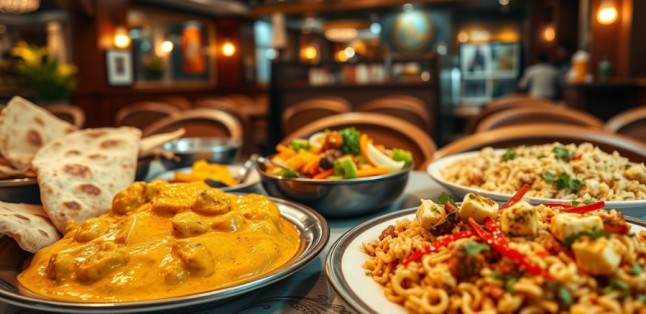
As we step into 2026, the culinary landscape in India is evolving with a focus on intentional and sustainable dining experiences. The emerging food trends highlight a shift towards healthier, more thoughtful choices.
The year 2026 is all about exploring popular dishes that not only tantalize the taste buds but also promote well-being. From innovative restaurant recommendations to traditional cuisine with a modern twist, India's dining scene is set to offer a diverse and exciting culinary journey.
Key Takeaways
- Emerging food trends focus on sustainability and health.
- Popular dishes in 2026 will include innovative, traditional, and fusion cuisine.
- Restaurant recommendations will highlight eateries serving thoughtful, locally-sourced meals.
- The dining experience will be more intentional and immersive.
- 2026's culinary scene will be characterized by a blend of modern and traditional flavors.
The Evolution of Indian Cuisine: A 2026 Perspective
As we step into 2026, Indian cuisine is on the cusp of a revolution, blending traditional roots with modern innovation. This evolution is not just about tweaking traditional recipes; it's about reimagining the very fabric of Indian cuisine to suit contemporary tastes and preferences.
Traditional Roots Meeting Modern Innovation
The essence of Indian cuisine has always been its rich diversity and depth of flavors. In 2026, this essence is being preserved while being infused with modern culinary techniques. Chefs across the country are experimenting with fusion cuisine, combining traditional Indian flavors with global culinary practices. This blend is resulting in innovative dishes that are both familiar and excitingly new.
The Driving Forces Behind India's Culinary Revolution
Several factors are driving this culinary revolution in India. Economic growth and increased exposure to global cuisines are playing significant roles.
Economic Factors Influencing Food Choices
Rising disposable incomes and changing lifestyles are influencing food choices. There's a growing demand for dining experiences that are not just about the food but also about the ambiance and service. Upscale dining is becoming more accessible, with consumers willing to pay for premium experiences.
Global Influences on Local Tastes
Globalization has brought diverse cuisines to Indian doorsteps, influencing local tastes. International cuisines are being adapted to suit Indian palates, resulting in unique fusion dishes.
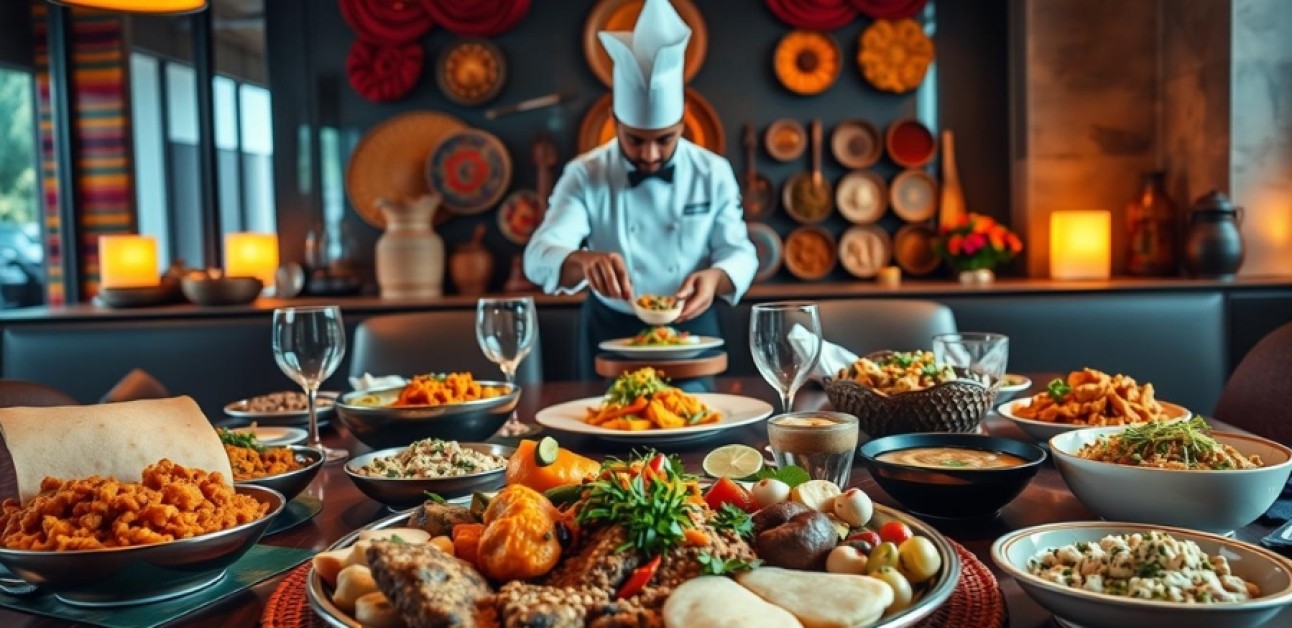
This cross-cultural exchange is enriching Indian cuisine, making it more diverse and vibrant.
Food Trends 2026: What's Reshaping India's Culinary Landscape
The year 2026 is witnessing a culinary revolution in India, with technology, post-pandemic influences, and emerging flavor profiles leading the charge. This transformation is not just about the food; it's about the entire dining experience.
Technology's Impact on Food Preparation and Consumption
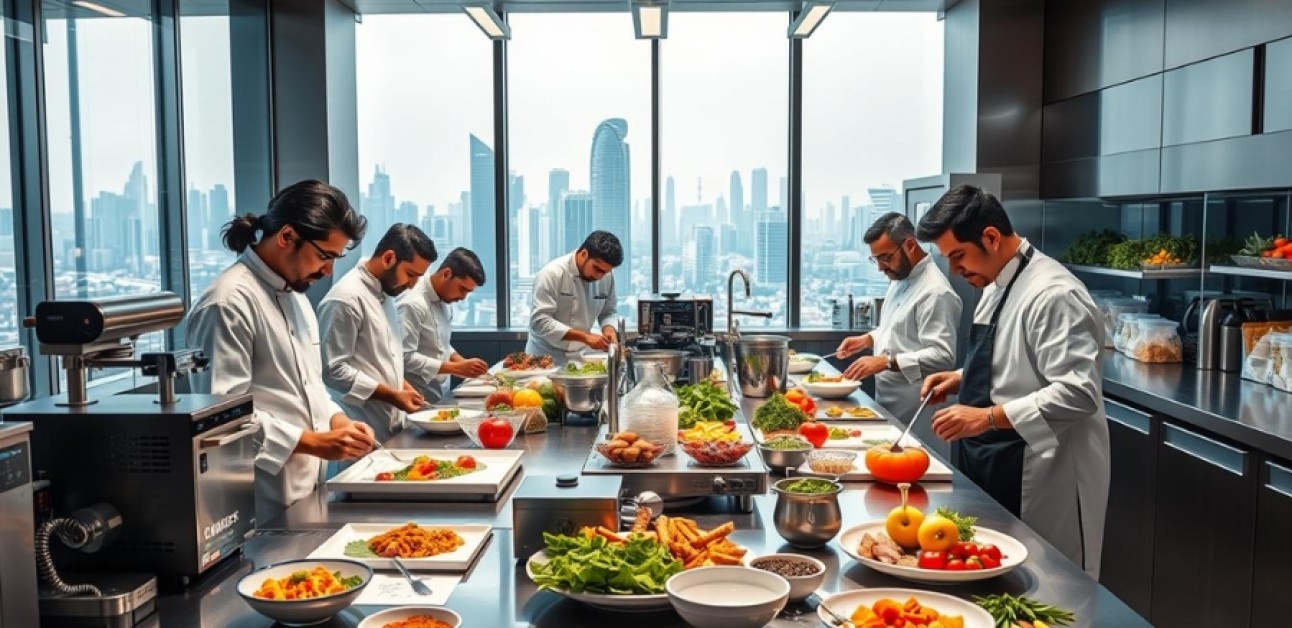
Technology is playing a crucial role in reshaping India's culinary landscape. From automated cooking systems to AI-curated menus, the impact of technology is evident in various aspects of food preparation and consumption. For instance, cloud kitchens are becoming increasingly popular, offering a wide range of cuisines without the need for a physical dine-in experience.
Key Technological Advancements:
- Automated cooking systems
- AI-curated menus
- Cloud kitchens
- Digital ordering and delivery platforms
Post-Pandemic Influences on Dining Habits
The pandemic has had a lasting impact on dining habits worldwide, including India. Consumers are now more conscious about health and safety, leading to a rise in demand for contactless dining experiences and healthier food options.
| Dining Habit | Pre-Pandemic | Post-Pandemic |
|---|---|---|
| Contactless Dining | Low | High |
| Health-Conscious Eating | Moderate | Very High |
| Online Ordering | Moderate | Very High |
Emerging Flavor Profiles in Metropolitan Cities
Metropolitan cities in India are witnessing the emergence of new and exciting flavor profiles. From Indo-Korean fusion to plant-based alternatives, the culinary scene is becoming increasingly diverse.
Some popular emerging flavor profiles include:
- Indo-Korean fusion
- Plant-based alternatives
- Hyper-regional cuisine
These trends are not only changing the way Indians eat but also influencing the global culinary landscape.
Hyper-Regional Cuisine: The Return to Culinary Roots
The resurgence of hyper-regional cuisine is redefining India's culinary landscape in 2026. This trend is characterized by a renewed focus on regional specialties that were once forgotten. As consumers become more adventurous, there's a growing demand for authentic, hyper-local flavors.
Northeast Indian Cuisine Breaking into Mainstream
Northeast Indian cuisine, with its unique blend of flavors and ingredients, is gaining popularity across the country. Dishes like smoked pork with bamboo shoots and King Chilli chicken are being reimagined in modern restaurants.
Reviving Coastal Konkani and Malvani Dishes
The coastal regions of Konkan and Malvan are known for their rich culinary heritage. Restaurants are now reviving traditional dishes like Konkani fish curry and Malvani prawn balchao, introducing these flavors to a wider audience.
Top Restaurants Championing Forgotten Regional Recipes
Several restaurants are at the forefront of this hyper-regional cuisine trend. Notable mentions include:
Gunpowder (Delhi) - Andhra and Telangana Specialties
Gunpowder in Delhi is celebrated for its Andhra and Telangana specialties, offering dishes like Hyderabadi dum biryani and Andhra-style chicken curry.
Bombay Canteen (Mumbai) - Pan-Indian Regional Revival
Bombay Canteen in Mumbai is known for its pan-Indian regional revival, featuring dishes from across the country, including Rajasthani gatta curry and Punjabi sarson ka saag.
| Restaurant | Location | Specialties |
|---|---|---|
| Gunpowder | Delhi | Andhra, Telangana |
| Bombay Canteen | Mumbai | Pan-Indian |
This trend towards hyper-regional cuisine not only promotes culinary diversity but also supports local economies by highlighting regional ingredients and cooking techniques.
Plant-Forward Revolution: Beyond Traditional Vegetarianism
India's culinary scene is on the cusp of a revolution, with plant-forward dining taking center stage in 2026. This movement is not just about vegetarianism; it's about reimagining Indian cuisine with plant-based ingredients at its core.
Plant-Based Alternatives to Classic Indian Dishes
The trend is all about creating innovative, plant-based versions of beloved Indian dishes. Chefs are now experimenting with plant-based alternatives to traditional ingredients, making vegan fine dining more accessible and appealing to a wider audience.
For instance, classic dishes like butter chicken and biryani are being reimagined with plant-based protein sources such as jackfruit and mushrooms, offering a vegan twist on traditional favorites.
Innovative Restaurants Leading the Green Movement
Several restaurants across India are at the forefront of this plant-forward revolution. These establishments are not only serving innovative vegan cuisine but are also committed to sustainability.
Greenr Café (Delhi) - Plant-Based North Indian Cuisine
Greenr Café in Delhi is a pioneer in plant-based North Indian cuisine. Their menu features an array of vegan versions of North Indian classics, all made with locally sourced ingredients.
Imagine (Bangalore) - Innovative Vegan Fine Dining
Imagine in Bangalore is setting new standards for vegan fine dining. With a focus on innovative food concepts and a commitment to using organic produce, Imagine offers a truly unique dining experience.
These restaurants are leading the way in India's plant-forward revolution, showcasing the diversity and richness of plant-based cuisine. As the trend continues to grow, we can expect to see even more innovative and sustainable dining options emerging across the country.
AI and Robotics in Indian Restaurant Kitchens
In 2026, the culinary landscape of India is witnessing a paradigm shift with the advent of AI and robotics in restaurant kitchens. This technological integration is not only enhancing the efficiency of food preparation but also redefining the dining experience for customers.
Automated Cooking Systems in High-End Establishments
High-end restaurants in India are at the forefront of adopting automated cooking systems. These systems utilize robotics and AI algorithms to prepare complex dishes with precision and consistency. For instance, robotic arms can be programmed to execute intricate culinary techniques, reducing the margin of error and enhancing the overall quality of the dish.
AI-Curated Menus and Personalized Dining Experiences
AI is also being leveraged to create personalized dining experiences. By analyzing customer preferences and dining history, AI systems can curate menus that are tailored to individual tastes. This not only enhances customer satisfaction but also encourages repeat business for restaurants.
Notable Tech-Forward Restaurants to Experience
Several restaurants in India are making headlines for their innovative use of technology. For example, restaurants like Robot Kitchen in Bangalore and Tech Bistro in Mumbai are offering diners a unique experience with their robotic servers and AI-driven menus.
The integration of AI and robotics in Indian restaurant kitchens is a trend that is expected to continue growing in 2026. As technology advances, we can anticipate even more innovative applications in the culinary sector, further enhancing the dining experience for consumers.
Sustainable Gastronomy: Zero-Waste Cooking Practices
In 2026, the trend of sustainable gastronomy is reshaping India's culinary landscape, focusing on reducing food waste. This movement is driven by a growing awareness of environmental issues and a desire to preserve traditional culinary practices.
Farm-to-Table Movement in Metropolitan India
The farm-to-table movement is gaining traction in metropolitan India, with restaurants sourcing ingredients directly from local farms. This approach not only ensures freshness but also supports local farmers and reduces carbon footprint. Zero-waste cooking is an integral part of this movement, where chefs creatively use every part of the ingredient to minimize waste.
Restaurants Pioneering Sustainable Food Practices
Several restaurants across India are pioneering sustainable food practices. These establishments are setting new standards by adopting zero-waste cooking methods and promoting sustainable gastronomy.
Slow Food Movement in Bangalore and Goa
Bangalore and Goa are at the forefront of the slow food movement, emphasizing locally sourced ingredients and traditional cooking methods. This movement encourages a slower, more mindful approach to eating, celebrating the rich culinary heritage of these regions.
Urban Farming Partnerships with Luxury Hotels
Luxury hotels are partnering with urban farming initiatives to source fresh, organic produce. These partnerships not only enhance the dining experience but also contribute to sustainable food systems, supporting local communities and reducing the environmental impact of food production.
As sustainable gastronomy continues to evolve, it is likely to have a lasting impact on India's food industry, driving innovation and promoting environmentally friendly practices. The future of Indian cuisine looks promising, with a strong focus on sustainability and creativity.
Fusion 2.0: Cross-Cultural Culinary Innovations
As we step into 2026, the culinary landscape in India is witnessing a revolutionary trend known as Fusion 2.0. This emerging trend is all about merging diverse culinary traditions and flavors, creating a unique gastronomic experience.
The concept of Fusion 2.0 is not just about mixing different cuisines; it's about understanding the essence of various culinary practices and innovating new flavors. Two prominent fusion trends gaining popularity are Indo-Korean and Indo-Mediterranean flavor combinations.
Indo-Korean and Indo-Mediterranean Flavor Combinations
The blend of Indian spices with Korean chili flakes or Mediterranean herbs is creating a new wave of flavors. For instance, dishes like Kimchi Biryani or Masala Falafel are becoming increasingly popular.
According to Chef Rahul Verma, "Fusion cuisine is not just about mixing ingredients; it's about creating a cultural dialogue through food."
"The beauty of Fusion 2.0 lies in its ability to respect traditional roots while innovating for the future."
Must-Try Fusion Restaurants Across Major Indian Cities
Several restaurants across India are leading the Fusion 2.0 trend. Here are a few must-try establishments:
- Masala Library (Mumbai)
- Farzi Café (Pan-India)
Masala Library (Mumbai) - Molecular Gastronomy Meets Indian Flavors
Masala Library is known for its innovative take on traditional Indian cuisine, incorporating molecular gastronomy techniques.
| Restaurant | Location | Signature Dish |
|---|---|---|
| Masala Library | Mumbai | Spherified Dal |
| Farzi Café | Delhi | Smoked Lamb Chops |
Farzi Café (Pan-India) - Contemporary Indian Fusion
Farzi Café offers a contemporary twist on traditional Indian dishes, with a focus on bold flavors and presentation.
The trend of Fusion 2.0 is expected to continue growing, with more restaurants experimenting with cross-cultural culinary innovations.
Cloud Kitchens and Virtual Dining Experiences
Cloud kitchens and virtual dining are revolutionizing the way Indians dine, offering unprecedented convenience and innovation. The rise of cloud kitchens has transformed the food delivery landscape, enabling restaurants to operate without physical dining spaces.
Premium Delivery-Only Restaurants Transforming Home Dining
Premium delivery-only restaurants are redefining home dining experiences. These establishments focus on delivering high-quality, restaurant-grade meals directly to customers. Some notable examples include:
- CloudKitchen: Known for its diverse menu offerings and efficient delivery services.
- Kitopi: Offers a range of cuisines, from traditional Indian dishes to international flavors.
Virtual Reality Dining: The New Frontier in Bangalore and Delhi
Virtual reality (VR) dining is an emerging trend in major cities like Bangalore and Delhi. This innovative concept combines immersive technology with culinary experiences, allowing diners to explore new environments while enjoying their meals.
Top Cloud Kitchen Brands Worth Ordering From
Some of the top cloud kitchen brands in India include:
- Faasos: Popular for its wide variety of Indian dishes and user-friendly ordering platform.
- Biryani Blues: Specializes in authentic biryani and other regional Indian cuisine.
- Pizza Hut Cloud Kitchen: Offers a range of pizzas and other Italian-inspired dishes.
These cloud kitchen brands are not only providing convenience but also elevating the dining experience through their innovative offerings.
Fermentation and Ancient Preservation Techniques
Fermentation, an age-old practice, is being reimagined in modern Indian cuisine, bringing forth unique flavors and sustainable food practices. This revival is not just about preserving food; it's about creating dishes that are both innovative and deeply rooted in tradition.
Revival of Traditional Fermented Foods with Modern Twists
Traditional fermented foods are being rediscovered and reimagined with modern twists. From the tangy flavors of kanji to the spicy kick of gunpowder from Kashmir, these fermented delights are being incorporated into contemporary dishes, offering a taste of India's rich culinary heritage.
Top Chefs Experimenting with Fermentation in Fine Dining
Several top chefs are now experimenting with fermentation in fine dining, pushing the boundaries of flavor and texture. By incorporating fermented ingredients into their menus, these chefs are not only enhancing the dining experience but also promoting sustainable food practices.
Pickled and Fermented Specialties from Kashmir to Kerala
India's diverse regions offer a wide array of pickled and fermented specialties. From the avakaya of Andhra Pradesh to the thenga pachadi of Kerala, these fermented foods are being celebrated for their unique flavors and health benefits.
Restaurants Specializing in Artisanal Fermentation
Several restaurants across India are now specializing in artisanal fermentation, offering dishes that highlight the complexity and depth of fermented flavors. These establishments are not only preserving traditional techniques but also innovating new methods, making fermentation a key element of modern Indian cuisine.
As the culinary landscape continues to evolve, the emphasis on fermentation and ancient preservation techniques is expected to grow, shaping the future of Indian cuisine in meaningful ways.
Hyperlocal Sourcing and Indigenous Ingredients
Hyperlocal sourcing is becoming the new norm in India's food industry, driven by a renewed interest in indigenous ingredients. This trend is not just about sustainability; it's also about rediscovering the rich culinary heritage of the country.
Rediscovering Native Grains and Forgotten Vegetables
The focus on hyperlocal sourcing has led to a resurgence in the use of native grains and forgotten vegetables. These ingredients, once staples in traditional Indian cuisine, had been overshadowed by more modern dietary preferences. However, their nutritional benefits and unique flavors are now being celebrated in contemporary dishes.
- Native Grains: Varieties like Kuttu (buckwheat) and Rajgira (amaranth) are being used in innovative recipes, from pancakes to salads.
- Forgotten Vegetables: Vegetables such as Suran (yam) and Arbi (colocasia) are being reintroduced in modern Indian cooking, offering a taste of the past with a contemporary twist.
Restaurants Celebrating India's Biodiversity Through Food
Several restaurants across India are now at the forefront of celebrating the country's biodiversity through their menus. By incorporating hyperlocal and indigenous ingredients, these establishments are not only promoting sustainable food practices but also educating diners about the rich variety of native produce.
Millet Revival in Southern Indian Restaurants
Southern Indian restaurants are particularly notable for their revival of millets, incorporating them into traditional dishes like dosas and idlis. This not only adds nutritional value but also supports local farmers who cultivate these crops.
Wild Foraged Ingredients from the Western Ghats
The Western Ghats region is a hotspot for biodiversity, and restaurants are now sourcing wild foraged ingredients from this area. Ingredients like wild mushrooms and foraged greens are being used to create unique and flavorful dishes that highlight the region's culinary richness.
By embracing hyperlocal sourcing and indigenous ingredients, India's culinary scene is not only becoming more sustainable but also more diverse and rich in flavor. This trend is expected to continue growing, with more restaurants and food establishments incorporating native grains, forgotten vegetables, and wild foraged ingredients into their menus.
Health-Conscious Cuisine: Functional Foods and Adaptogens
Health-conscious eating is taking center stage in India's culinary landscape in 2026. With an increasing awareness of wellness and nutrition, restaurants are now incorporating functional foods and adaptogens into their menus.
Ayurvedic Principles in Modern Restaurant Menus
The resurgence of Ayurvedic principles in modern Indian cuisine is a notable trend. Restaurants are now designing menus that not only taste good but also provide health benefits. Ayurvedic principles are being used to create dishes that are both nourishing and flavorful.
Immunity-Boosting Ingredients in Everyday Dishes
Immunity-boosting ingredients such as turmeric, ginger, and garlic are being incorporated into everyday dishes. These ingredients are known for their health benefits and are being used in innovative ways in modern Indian cuisine.
Wellness-Focused Restaurants and Cafés to Visit
Several restaurants and cafes across India are now focusing on wellness. Two such establishments are:
- Pure & Whole in Mumbai, known for its holistic nutrition-focused menu.
- Pumpkin Tales in Chennai, offering balanced nutrition with local flavors.
Pure & Whole (Mumbai) - Holistic Nutrition-Focused Menu
Pure & Whole is a pioneer in providing holistic nutrition. Their menu is designed to cater to various dietary needs, ensuring that every dish is not only delicious but also nutritious.
Pumpkin Tales (Chennai) - Balanced Nutrition with Local Flavors
Pumpkin Tales is another notable establishment that combines local flavors with balanced nutrition. Their dishes are crafted to provide a healthy dining experience without compromising on taste.
| Restaurant | Location | Specialty |
|---|---|---|
| Pure & Whole | Mumbai | Holistic Nutrition |
| Pumpkin Tales | Chennai | Local Flavors with Balanced Nutrition |
The trend of health-conscious cuisine is not just about food; it's about creating a lifestyle. As we move forward, it's likely that more restaurants will adopt this approach, making healthy eating accessible to everyone.
Experiential Dining: Multisensory Food Experiences
Experiential dining is redefining the way we experience food in India, with multisensory experiences taking center stage. This trend is all about creating memorable dining experiences that engage multiple senses, making the act of eating a holistic experience.
Immersive Dining Concepts Across Luxury Establishments
Luxury establishments in India are now offering immersive dining experiences that transport diners to different worlds. These experiences are designed to engage the senses, from the ambiance to the presentation of the dishes.
Dialogue in the Dark in Hyderabad is a prime example, where diners are treated to a meal in complete darkness, heightening their other senses.
Blindfolded Dining at Dialogue in the Dark (Hyderabad)
This unique experience not only challenges the diner's perception but also enhances the flavors and textures of the food. It's a truly immersive experience that showcases the power of experiential dining.
Food as Performance Art: Theatrical Restaurant Experiences
Some restaurants are taking experiential dining to the next level by turning the meal into a performance. Chefs become performers, and the kitchen is transformed into a stage.
Interactive Chef's Tables in Delhi and Mumbai
Cities like Delhi and Mumbai are home to restaurants that offer interactive chef's tables, where diners can watch their meal being prepared, often with a side of entertainment.
| City | Restaurant | Experience |
|---|---|---|
| Hyderabad | Dialogue in the Dark | Blindfolded Dining |
| Delhi | Chef's Table | Interactive Cooking |
| Mumbai | The Kitchen | Chef's Table Experience |
Regional Street Food Elevated: Gourmet Transformations
As we dive into 2026, India's street food scene is undergoing a significant transformation, elevating regional flavors to gourmet heights. This trend is driven by a new generation of chefs and restaurateurs who are reimagining traditional street food into sophisticated dining experiences.
Hyper-Specialized Restaurants Focusing on Single Iconic Dishes
A notable trend in this gourmet transformation is the rise of hyper-specialized restaurants that focus on a single iconic dish. These establishments are perfecting their craft, offering a depth of flavor and quality that elevates street food to new heights.
Street Food Innovators Across Major Indian Cities
Major Indian cities are witnessing the emergence of street food innovators who are pushing the boundaries of traditional cuisine. From Delhi to Mumbai, these innovators are introducing new flavors and techniques that are redefining the street food landscape.
Gourmet Chaat Experiences in Delhi
Delhi's street food scene is being reimagined with gourmet chaat experiences that offer a modern twist on traditional flavors. Restaurants are now serving sophisticated versions of chaat, using high-quality ingredients and innovative presentation.
Elevated Vada Pav and Pav Bhaji Concepts in Mumbai
Mumbai's iconic vada pav and pav bhaji are getting a gourmet makeover, with restaurants offering elevated versions of these beloved street foods. From truffle-infused pav bhaji to gourmet vada pav with exotic chutneys, these dishes are being reimagined for a new audience.
| City | Iconic Street Food | Gourmet Transformation |
|---|---|---|
| Delhi | Chaat | Gourmet chaat experiences with modern twists |
| Mumbai | Vada Pav, Pav Bhaji | Elevated versions with truffle and exotic chutneys |
The elevation of regional street food to gourmet status is a testament to India's diverse culinary landscape. As these trends continue to evolve, we can expect to see even more innovative and exciting developments in the world of Indian street food.
Beverage Innovations: Beyond Traditional Indian Drinks
As we dive into 2026, India's beverage scene is witnessing a revolution with innovative drinks that blend traditional flavors with modern twists. The trend is driven by a growing demand for unique and sophisticated drinking experiences.
Craft Cocktails Inspired by Indian Spices and Fruits
Indian mixologists are now experimenting with local spices, fruits, and herbs to create signature cocktails that are both refreshing and innovative. Craft cocktails have become a staple in many high-end bars, offering a modern twist to traditional Indian flavors.
"The use of indigenous ingredients like ginger, cardamom, and lemongrass is adding a new dimension to our cocktails," says a leading mixologist.
"We're seeing a lot of interest in drinks that not only taste great but also tell a story."
Non-Alcoholic Concoctions and Premium Tea Experiences
The rise of premium tea experiences is another significant trend. Artisanal tea lounges are popping up across major cities, offering a wide range of exotic teas sourced from various parts of India.
Non-alcoholic concoctions are also gaining popularity, with many bars introducing virgin cocktails made with fresh juices, herbs, and spices.
Must-Visit Bars and Tea Lounges for Innovative Beverages
Some of the top destinations for innovative beverages include:
- Sidecar (Delhi): Known for its Indian ingredient-focused mixology.
- Tea Trails (Pan-India): Offers artisanal tea experiences across the country.
Sidecar (Delhi) - Indian Ingredient-Focused Mixology
Sidecar is redefining the cocktail scene in Delhi with its creative use of Indian ingredients. From ginger-infused vodka to cardamom-based syrups, every drink is a reflection of India's rich culinary heritage.
Tea Trails (Pan-India) - Artisanal Tea Experiences
Tea Trails is on a mission to promote India's diverse tea culture. With locations across the country, it offers a unique tea-tasting experience that showcases the best of Indian tea.
Digital Dining: NFT Restaurants and Tech-Forward Concepts
Digital dining is taking center stage in India's culinary evolution, with NFT restaurants and tech-forward concepts leading the charge. This trend is revolutionizing how we experience food, making it more interactive and immersive.
Blockchain Technology in Restaurant Reservations and Loyalty Programs
Blockchain technology is being increasingly adopted in the restaurant industry for reservations and loyalty programs. This technology offers a secure and transparent way to manage bookings and reward customers. For instance, blockchain-based systems can prevent no-shows by requiring a cryptocurrency deposit at the time of booking.
Key Benefits of Blockchain in Restaurants:
| Benefit | Description |
|---|---|
| Enhanced Security | Blockchain technology provides a secure way to manage transactions and customer data. |
| Increased Transparency | All transactions are recorded on a public ledger, ensuring transparency. |
| Improved Customer Loyalty | Blockchain-based loyalty programs can offer more personalized and rewarding experiences. |
Virtual Restaurants Selling Digital Food Experiences
Virtual restaurants are another facet of digital dining, offering unique culinary experiences that exist solely online. These restaurants often collaborate with food delivery platforms to provide customers with a seamless dining experience from the comfort of their homes.
Some notable virtual restaurants in India are experimenting with digital food experiences, such as virtual cooking classes and interactive dining events. These experiences are changing the way people engage with food, making it more than just a meal.
Pioneering Tech-Dining Establishments in Bangalore and Hyderabad
Bangalore and Hyderabad are at the forefront of adopting tech-dining concepts. Restaurants in these cities are incorporating advanced technologies like AI, VR, and blockchain to create innovative dining experiences.
- Restaurants in Bangalore are using AI to curate personalized menus based on customer preferences.
- Hyderabad's tech-dining establishments are leveraging VR to offer immersive dining experiences.
As digital dining continues to evolve, it's clear that technology will play a pivotal role in shaping the future of India's culinary landscape.
Conclusion: Embracing India's Culinary Future
As we look ahead to 2026, India's culinary landscape is poised for a revolution. The trends shaping the industry are a testament to the country's rich cultural heritage and its willingness to innovate. From hyper-regional cuisine to plant-forward revolution, the future of Indian cuisine is bright.
The incorporation of technology, sustainable food practices, and cross-cultural culinary innovations are driving this change. Restaurants are now focusing on farm-to-table movement, zero-waste cooking practices, and immersive dining experiences. The rise of cloud kitchens and virtual dining experiences is also transforming the way people dine.
As India's culinary future unfolds, it is clear that sustainability, innovation, and cultural heritage will be at the forefront. The food trends 2026 are not just about what's new; they're about creating a more diverse, inclusive, and environmentally conscious food culture. Indian cuisine is set to become more vibrant, with a focus on sustainable food practices that benefit both the consumer and the environment.
With a rich culinary history and a forward-thinking approach, India's culinary future is an exciting space to watch. As the industry continues to evolve, one thing is certain – the future of Indian cuisine will be shaped by its ability to innovate while staying true to its roots.