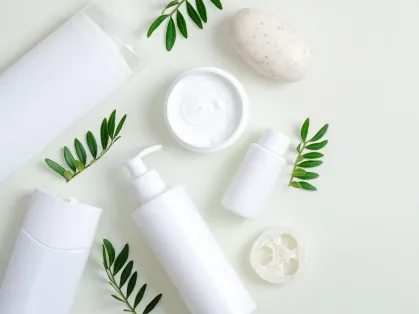
In an industry long associated with glitter and gloss, a new trend is shimmering through the beauty world: sustainability. As climate awareness grows and Gen Z demands greater accountability, cosmetics companies are being forced to look into the mirror—both literally and figuratively—to reassess how their products are made, packaged, and disposed of.
From cruelty-free formulations to refillable containers and zero-waste practices, beauty brands are now pivoting towards eco-conscious strategies that are more than just skin deep.
Cruelty-Free Is No Longer a Niche—It's the Norm
The shift away from animal testing is one of the most visible steps toward ethical beauty. Once considered a niche marketing angle, cruelty-free certification has become a baseline expectation. Brands like Tarte, Urban Decay, and Too Faced have embraced this identity, proudly displaying Leaping Bunny or PETA-approved badges on their packaging.
Even industry giants such as Unilever and L’Oréal have taken significant steps to commit to non-animal testing, investing in alternatives like in-vitro testing and AI-based skin simulations. With regulatory changes in markets like China relaxing mandatory animal testing for imports, cruelty-free is not only possible—it’s profitable.
Refillable Packaging: The New Luxury
Luxury brands are now reimagining how packaging contributes to environmental waste. Where once ornate boxes and thick plastic were seen as symbols of prestige, refillable systems are emerging as the new mark of sophistication.
Dior, Fenty Beauty, and Charlotte Tilbury have introduced refillable lipsticks and foundations. Skincare powerhouse La Bouche Rouge goes further, offering zero plastic products in 100% recyclable, leather-wrapped refills. Even drugstore brands like e.l.f. Cosmetics and Maybelline are piloting refill stations in select stores to test consumer demand.
The appeal is both environmental and economic—consumers save on repeat purchases while reducing packaging waste, and brands earn loyalty through sustainable innovation.
Zero-Waste: From Formulation to Shelf
Zero-waste beauty is perhaps the most ambitious goal, aiming to eliminate environmental impact from production to disposal. Brands like Lush lead the way with naked packaging—solid shampoo bars, conditioners, and soaps wrapped only in compostable materials or nothing at all.
Startups like Izzy (which sells stainless steel, fully returnable and reusable mascara tubes) and Ethique (with completely compostable packaging) are setting new benchmarks. These companies design products with the full lifecycle in mind, pushing the boundaries of what sustainable beauty can look like.
Even packaging material is under scrutiny. Many brands are swapping plastic for glass, bamboo, or aluminum. Others, like REN Clean Skincare, are investing in ocean plastic recycling, using reclaimed waste to create new containers.
Clean Beauty and Ethical Sourcing
Sustainability isn’t just about packaging—it’s also about what goes inside. The rise of clean beauty has brought attention to ingredient sourcing. Brands like Beautycounter, The Body Shop, and Herbivore Botanicals champion ethically sourced, non-toxic, and biodegradable ingredients, often supported by supply chain transparency.
Fair trade mica, organic shea butter, and responsibly harvested botanicals are now essential in product development. Ethical sourcing ensures that sustainability also supports human rights and local economies, not just the environment.
Tech-Driven Transparency
Consumers are more informed than ever. Apps like Think Dirty and CodeCheck let users scan beauty products to assess sustainability and toxicity. This digital shift is forcing brands to embrace full transparency, pushing them to publish supply chain audits and third-party sustainability ratings.
Moreover, blockchain is entering the space. Beauty brand Provenance uses blockchain tech to verify sourcing claims and product ingredients, giving eco-conscious buyers a way to trace the sustainability of what they put on their skin.
A Market Shift, Not Just a Trend
Sustainable beauty is no longer an optional differentiator—it’s a competitive imperative. A 2024 NielsenIQ survey reported that 76% of Gen Z consumers prefer buying from brands that prioritize environmental sustainability. Investors are taking note, pouring capital into green beauty startups and ESG-compliant product lines.
Retailers are responding too. Sephora’s “Clean at Sephora”, Ulta’s Conscious Beauty, and Target’s “Target Zero” sections are reshaping how consumers shop, giving prominent space to brands that meet strict eco-standards.
Looking Ahead: Green Is the New Glam
The future of beauty lies at the intersection of aesthetics and ethics. As the makeup mirror reflects a planet in crisis, the industry’s response has been to transform glam into green. Whether through vegan formulas, recyclable jars, or digital tools for transparency, the beauty world is embracing a new kind of allure—one rooted in responsibility.
Because in today’s beauty standards, what’s inside the jar matters just as much as what’s on your face—and the footprint you leave behind could be the most lasting impression of all.