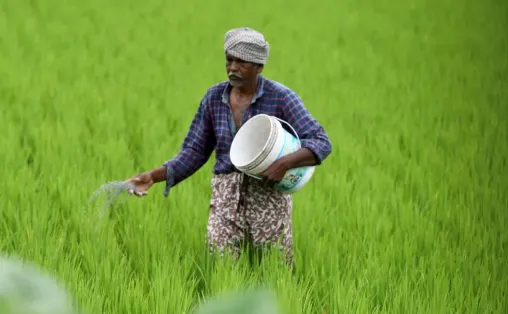
In recent years, the agricultural landscape of India has witnessed a significant shift towards organic farming, a practice that emphasizes sustainability, environmental conservation, and the health benefits of pesticide-free produce. As concerns over soil degradation, environmental pollution, and the health risks of chemical fertilizers and pesticides continue to grow, more and more farmers across the country are embracing organic farming as a viable and profitable alternative.
Organic farming is not a new concept in India. Traditional farming methods, deeply rooted in Indian culture, have always relied on natural processes, such as crop rotation, composting, and natural pest control. However, the increasing reliance on chemical inputs in modern agriculture led to a decline in soil health, biodiversity, and overall sustainability. Now, with rising awareness and a global demand for healthier food options, organic farming in India is undergoing a renaissance.
The Growth of Organic Farming in India
The shift towards organic farming in India has been driven by several factors, including rising consumer demand for organic produce, government incentives, and the efforts of NGOs and agricultural organizations. India is one of the largest producers of organic products in the world, with over 3.5 million hectares of land dedicated to organic farming. States like Sikkim have emerged as pioneers, with Sikkim becoming the first state in India to be declared 100% organic in 2016.
The adoption of organic farming practices has been particularly noticeable in states such as Uttarakhand, Himachal Pradesh, and Kerala, where farmers have seen the value in cultivating crops using natural methods. Moreover, with the rise of organic certification bodies like the National Program for Organic Production (NPOP) and the India Organic Certification, Indian farmers have access to quality assurance and an international market for their organic products.
Benefits of Organic Farming in India
The benefits of organic farming extend far beyond the economic profits for farmers. Some of the key advantages include:
-
Environmental Sustainability: Organic farming reduces the dependence on chemical pesticides and fertilizers, which can lead to soil degradation and water contamination. By promoting natural methods of pest control and soil enrichment, organic farming helps preserve biodiversity and maintains ecological balance.
-
Soil Health: Unlike conventional farming, which depletes soil nutrients over time, organic farming focuses on enhancing soil fertility through composting, cover cropping, and reduced tillage. This results in healthier, more resilient soils, which can yield high-quality produce.
-
Healthier Produce: Organic farming eliminates the use of synthetic chemicals, ensuring that the crops grown are free from harmful pesticide residues. This is especially appealing to health-conscious consumers who are concerned about the long-term effects of chemical exposure.
-
Economic Viability: While organic farming may have a higher initial investment, it offers long-term economic benefits for farmers. Organic produce often commands a premium price in the market, and farmers can build a loyal customer base among organic-conscious consumers.
Challenges Facing Organic Farming in India
Despite its numerous advantages, organic farming in India still faces several challenges. One of the major hurdles is the lack of proper infrastructure for organic certification, storage, and distribution. Farmers often face difficulties in marketing their produce, especially in remote areas where access to organic markets is limited.
Moreover, initial costs for organic inputs, such as certified seeds and organic fertilizers, can be high, which discourages small farmers from making the switch. Additionally, organic farming requires more labor-intensive practices, such as manual weeding and pest control, which can be challenging in areas where labor shortages exist.
Government Support for Organic Farming
Recognizing the potential of organic farming to transform the agricultural sector, the Indian government has rolled out several initiatives to support its growth. Programs like the National Mission on Sustainable Agriculture (NMSA) and the Paramparagat Krishi Vikas Yojana (PKVY) provide financial assistance, training, and resources to farmers interested in organic farming.
In addition, the government is also working on promoting organic certification and establishing a robust organic market network, which can ensure that organic produce finds a reliable market both domestically and internationally.
The Future of Organic Farming in India
The future of organic farming in India looks promising, with increasing support from the government, private sector, and consumers. As global awareness about the importance of sustainability and health continues to rise, the demand for organic products is expected to grow, providing Indian farmers with lucrative opportunities.
India's organic market is expected to reach a $10 billion valuation by 2025, driven by both domestic consumption and export potential. This growth will likely result in the creation of more jobs in organic agriculture, as well as the development of better infrastructure for storage, transportation, and marketing.
Furthermore, with the rise of agritech startups focusing on organic farming solutions, there is potential for innovation in terms of organic input supplies, precision farming technologies, and supply chain management. These developments can make organic farming more efficient, cost-effective, and scalable.
Conclusion
The rise of organic farming in India represents a vital shift towards sustainable and environmentally-friendly agricultural practices. While challenges remain, the benefits of organic farming are undeniable, both for the environment and for farmers. As the demand for organic produce continues to grow, organic farming is poised to play a major role in India’s agricultural future.
With continued support from the government, NGOs, and consumers, organic farming can help create a healthier, more sustainable India, where both the environment and the people thrive.